 EN
EN

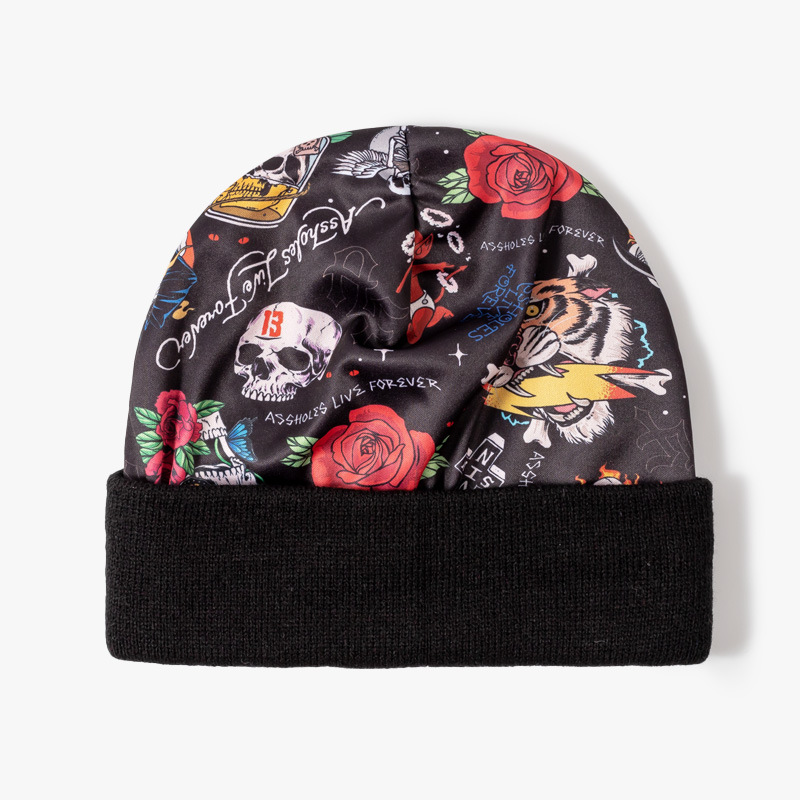
Ideālās dzīšanas cepuri var pārvērst jūsu ziemas garderobi, vienlaikus nodrošinot būtisku aizsardzību pret smagām laika apstākļiem. Labi izvēlēta dzīslota cepure ne tikai saglabā siltumu, bet arī uzlabo jūsu sejas īpatnības un papildina personīgo stilu. Lai izdarītu pareizo izvēli, ir būtiski saprast attiecības starp sejas formu, cepures stilu un materiāla kvalitāti. Vai nu meklējat ikdienas, neformālu apģērbu vai izcilu gabalu īpašām gadījumiem, ideālajai dzīslotajai cepurei vajadzētu apvienot komfortu, funkcionalitāti un estētisko pievilcību.
Sejas formas un cepures izvēles izpratne
Ovālas sejas formas apsvērumi
Cilvēkiem ar olveida sejas formu, izvēloties dzīslotas cepures, ir vislielākā elastība. Šī līdzsvarota sejas struktūra ļauj eksperimentēt ar dažādām cepures stilistiskām variantiem — no piegulošām cepurītēm līdz brīvākām, izstieptām cepurēm. Galvenais ir saglabāt proporcijas, vienlaikus uzsvērām savas labākās īpašības. Labi piegulošai dzīslotai cepurei jāsēž ērti galvā, neapgrūtinot dabiskās olveida sejas simetrijas. Izmēģiniet dažādu virzenu augstumus un malu stilus, lai noskaidrotu, kuri varianti visefektīvāk uzlabo jūsu kopējo izskatu.
Olveida sejas formai gan cieši piegulošas, gan brīvākas dzīslotas cepures der ļoti labi. Jūs droši varat izvēlēties ribbainus rakstus, kabeļa dzīslojumu vai gludas tekstūras cepures, neuztraucoties par nepatīkamu proporciju radīšanu. Olveida sejas formas universālums nozīmē, ka jūs varat koncentrēties galvenokārt uz krāsu koordināciju, materiāla kvalitāti un sezonālo piemērotību, veicot izvēli.
Norādījumi apaļai sejas formai
Apaļām sejām piemēroti dzīslotas cepures, kas pievieno vertikālu dimensiju un rada iluziju par garumu. Izvairieties no pārāk platiem vai masīviem dizainiem, kas varētu uzsvērt jūsu sejas struktūras apaļos aspektus. Vietoj tam izvēlieties dzīslotas cepures ar dažu augstumu vai leņķiskiem elementiem, kas piesaista skatienu uz augšu. Atslābinātas cepurītes, kas uzvilktas nedaudz atpakaļ uz galvas, var radīt pagarināšanas efektu, bet arī pielāgotas cepures ar vertikālām ribbām arī labi darbojas.
Izvēloties dzīslotu cepuri apaļai sejai, apsveriet iespējas ar sīkiem ģeometriskiem rakstiem vai tekstūras elementiem, kas pievieno vizuālo interesi, neapgrābjot jūsu sejas iezīmes. Izvairieties no ļoti cieši sēdošām cepurēm, kas varētu uzsvērt sejas apaļumu, un vietā meklējiet dizainus, kas nodrošina mīkstu struktūru, saglabājot komfortu un siltumu.
Materiāla izvēle un kvalitātes novērtējums
Dabisko šķiedru priekšrocības
Dabiskie šķiedri piedāvā augstāku komfortu un veiktspējas raksturlielumus, veidojot dzīslotas cepures. Vilna joprojām ir zelta standarts ziemas galvassegām, nodrošinot lieliskas izolācijas īpašības, vienlaikus ļaujot mitrumam iztvaikot. Īpaši merino vilna piedāvā izcilu mīkstumu un temperatūras regulāciju, tādēļ tā ir ideāla jutīgai ādai.
Vateņu maisījumi labi strādā pārejas sezonās, nodrošinot elpojamību un vieglu kopšanu, vienlaikus saglabājot strukturālo integritāti. Novērtējot dzīslotu cepuri no dabiskajiem šķiedriem, jāpārbauda dzīslo kvalitāte, šuves vienmērīgums un kopējā konstrukcija. Augstas kvalitātes dzīslotas cepures no dabiskajiem šķiedriem saglabā savu formu pēc mazgāšanas un sniedz gadu gari uzticamu lietošanu, ja tās pareizi kopj.
Sintētisko materiālu priekšrocības
Mūsdienīgas sintētiskās materiālu izmantošana ir revolucionizējusi dzīslotas cepures dizainu, nodrošinot izturību un veiktspējas priekšrocības, kas var konkurēt ar dabiskajiem šķiedriem. Akrila maisījumi nodrošina lielisku krāsas noturību, vienkāršu kopšanu un pieejamību, nezaudējot siltumu vai komfortu. Uzlabotie sintētiskie šķiedri var piedāvāt mitruma novadīšanas īpašības, tādējādi padarot tos ideālus aktīvai dzīvesveidam vai mainīgām laikapstākļu apstākļiem.
Izvēloties sintētisko dzīsloto cepuri, meklējiet augstas kvalitātes izgatavošanu un uzmanību detalēm pabeigšanas posmā. Labi izgatavoti sintētiskie izdevumi var nodrošināt ilgstošu nēsāšanu, saglabājot savu izskatu vairāku mazgāšanas ciklu laikā. Ņemiet vērā sintētiskos maisījumus situācijās, kur prioritāte ir vienkārša kopšana un izturība, piemēram, ārā notiekošās darbībās vai bieži ceļojumos.
Stila varianti un dizaina elementi
Klasiskās cepures stili
Klasiskais brezenta cepurītis ir visdaudzveidīgākais un visplašāk pazīstamais adītais cepures stils, kas šobrīd pieejams. Šis laika neuzvaramais dizains piemērots visiem vecuma grupām, dažādām modes preferencēm un praktiskiem mērķiem. Tradicionālie brezenta cepurīši parasti ir cieši pieguļoši galvas augšdaļai un tiem raksturīga minimāla rotājuma izmantošana, tādējādi uzsvērjot adījuma un materiāla kvalitāti. Klasisko brezenta cepurīšu vienkāršība padara tos piemērotus gan ikdienas, gan vairāk pārdomātiem iestājumiem.
Izvēloties klasisko adīto cepuri, vērskatieties uz tās pieguļamību ap ausīm un pieri. Cepurei jānodrošina pilnīga aizsardzība, neizraisot sajūtu par pārāk ciešu sēdēšanu vai atstājot spraugas, caur kurām var iekļūt auksts gaiss. Augstas kvalitātes klasiskās cepures bieži ietver pastiprinātas šuves un rūpīgi apstrādātas malas, kas novērš cepures izlaušanos laika gaitā.
Mūsdienu dizaina tendences
Mūsdienīgu dzīklu cepuru dizaini ietver inovatīvas konstrukcijas tehnoloģijas un modes orientētus elementus, kas piesaista stilā uzmanību vērsošos patērētājus. Teksturēti raksti, krāsu bloķēšanas tehnika un unikāli silueti raksturo mūsdienu pieejas tradicionālajiem dzīklu galvassegliem. Dizaineri eksperimentē ar pārmērīgi lieliem izmēriem, asimetriskiem elementiem un daudzslāņu konstrukciju, lai radītu atšķirīgus priekšmetus, kas veido modes paziņojumus, vienlaikus nodrošinot praktisku siltumu.
Savlaicīgs vienturis stili bieži ietver tehniskas funkcijas, piemēram, atstarojošus elementus drošības nolūkos, integrētu savietojamību ar austiņām vai pārveidojamus dizainus, kas pielāgojas dažādām valkāšanas preferencēm. Šīs inovācijas parāda, kā tradicionālie dzīklu galvasseglis turpina attīstīties, lai atbilstu mūsdienu dzīvesveida prasībām, vienlaikus saglabājot pamatpiesaisti rokdarbu tekstilēm.
Krāsu izvēle un saskaņošana
Neitrālās krāsas priekšrocības
Neitrāli krāsas nodrošina maksimālu universālumu un ieguldījumu vērtību, izvēloties dzīslotas cepures savai garderobei. Klasisks toņi, piemēram, melns, pelēks, tumši zils un krēmkrāsa, viegli koordinējas ar esošo apģērbu, saglabājot laika nemainīgu pievilcību. Šīs pamatkrāsas ļauj jums koncentrēties uz sēdošumu, kvalitāti un izgatavošanu, neuztraucoties par sezonālajām modes tendencēm vai koordinācijas grūtībām.
Labi izvēlēta neitrāla dzīslota cepure kalpo kā garderobes pamata gabals, kas bez problēmām pārej no vienas situācijas uz otru un pielāgojas dažādām stilizācijas pieejām. Pirms izpētīt vēl uzkrītošākas krāsu izvēles, apsveriet iespēju savu kolekciju veidot ap vienu vai divām augstas kvalitātes neitrālām cepurēm. Šī stratēģija nodrošina, ka jums vienmēr ir piemērota galvassegām, vienlaikus ļaujot izpaust radītāju izteiksmi ar papildu gabaliem.
Uzkrītošu krāsu un ornamentu integrācija
Dzīvīgi krāsas un ornamenti var pārvērst vienkāršu adītu cepuri par jūsu tērpa centrālo elementu, pievienojot personību un vizuālo interesanti ziemas tērpiem. Iekļaujot uzkrītošus elementus, ņemiet vērā savu esošo garderobi un personiskās stilistiskās preferences, lai nodrošinātu saskaņotu tērpu veidošanu. Spilgtas krāsas īpaši labi darbojas ārējām aktivitātēm, palielinot redzamību un enerģiju sporta vai atpūtas tērpiem.
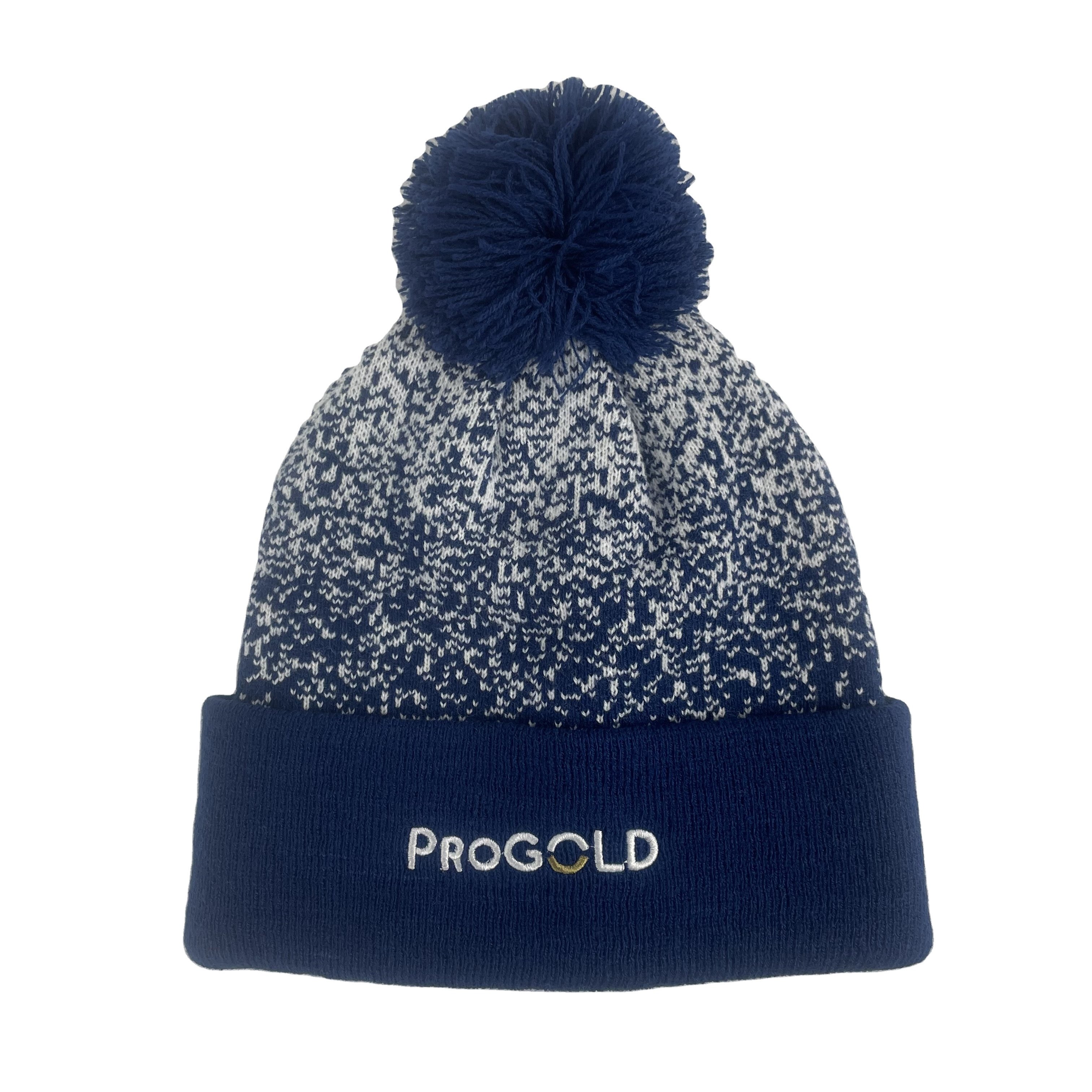
Adītu cepuru dizaina ornamentu izvēle piedāvā iespējas kreatīvai izpausmei, saglabājot praktisku funkcionalitāti. Fair Isle ornamenti, ģeometriskie dizaini un tekstūras elementi var pievienot sofistikāciju un unikalitāti tradicionālajām siluetiem. Saskaņojiet uzkrītošu ornamentu izvēli ar vienkāršākiem apģērbiem, lai radītu harmoniskus kopējos tērpus, kas izceļ jūsu adīto cepuri, neapgrūtinot jūsu ārējo izskatu.
Sezonālie apsvērumi un universālums
Ziemas laikapstākļu veiktspēja
Aukstā laikā nepieciešami dzīslu cepures dizaini, kas prioritāri nodrošina izolāciju un aizsardzību pret smagām apstākļiem. Biezas dzīslu konstrukcijas, ausu pārklājums un vējaizturīgi materiāli kļūst būtiski apsvērumi ziemas apģērbam. Meklīt dizainus, kas nodrošina pilnīgu galvas pārklājumu, vienlaikus saglabājot elpojamību, lai novērstu pārkarsēšanos fiziskās aktivitātes laikā vai temperatūras maiņas gadījumā.
Slāņošanas savietojamība ir vēl viens būtisks faktors, izvēloties ziemas dzīslu cepuri. Jūsu izvēlētajam stilam jābūt piemērotam dažādiem matu griezumiem un jāsader labi ar šalli, jakām un citiem aukstā laikā lietojamajiem aksesuāriem. Ņemt vērā arī to, kā jūsu dzīslu cepure darbojas mitrās apstākļos, jo daži materiāli un konstrukcijas labāk turot mitrumu nekā citi.
Pārejas sezonas pielāgojamība
Pavasara un rudenīga laika apstākļi prasa dzīslotas cepures, kas pielāgojas mainīgajām temperatūrām un dažādajiem apstākļiem visu dienu. Pārejas sezonā prioritāte kļūst vieglākas konstrukcijas, elpojoši materiāli un universāls stils. Laba pārejas sezonas dzīslota cepure jānodrošina siltums vēsos rītos, vienlaikus paliekot komfortabla, kad temperatūra dienas laikā paaugstinās.
Pārejas sezonas apģērbam ir svarīgi ņemt vērā cepures noņemamību un iepakošanāspēju. Meklējiet dzīslotas cepures modeļus, kas saglabā savu formu, kad tās tiek noņemtas un glabātas, ļaujot viegli pārvadāt tās somās vai kabatās. Šis praktiskais aspekts nodrošina, ka jūsu galvassegas ir pieejamas, kad tās nepieciešamas, neprasot īpašu glabāšanas vietu vai īpašu aprūpi.
Uzturēšanas un uzturēšanas norādījumi
Pareizas mazgāšanas metodes
Jūsu dzīvās cepures kvalitātes un izskata saglabāšanai ir svarīgi saprast piemērotas aprūpes metodes dažādiem materiāliem un izgatavošanas veidiem. Dabiskie šķiedri bieži prasa rūpīgu rokām mazgāšanu vai speciālas vilnas mazgāšanas režīmus, kamēr sintētiskie materiāli var izturēt mašīnā mazgāšanu ar atbilstošiem iestatījumiem. Pirms mēģināt notīrīt savu dzīvās cepuri, vienmēr pārbaudiet ražotāja aprūpes norādījumus, jo nepareiza mazgāšana var izraisīt sarukšanu, deformāciju vai kaitējumu viegli bojājamajiem šķiedriem.
Ūdens temperatūra, mazgāšanas līdzekļa izvēle un žāvēšanas metodes ietekmē dzīvās galvassegas ilgmūžību. Mazgāšana aukstā ūdenī saglabā šķiedru integritāti un novērš krāsas izblakšanu, kamēr mīksti mazgāšanas līdzekļi, kas paredzēti delikātiem audumiem, aizsargā pret ķīmisku kaitējumu. Izvairieties no mitras dzīvās cepures spiešanas vai pagriešanas, jo tas var izkropļot auduma struktūru un izraisīt pastāvīgu deformāciju.
Uzglabāšanas un saglabāšanas metodes
Pareizas uzglabāšanas metodes palīdz saglabāt jūsu dzīvotu cepuru formu, struktūru un izskatu starp valkāšanas sezonām. Pirms uzglabāšanas rūpīgi notīriet cepures, lai novērstu molu vai citu kaitēkļu piesaisti, kas var bojāt dabiskās šķiedras. Dzīvotās cepures uzglabājiet elpojošos konteineros vai apģērba maisiņos, kas ļauj gaisam cirkulēt, vienlaikus aizsargājot no putekļiem un mitruma.
Nevajadzētu spiest dzīvotās cepures zem smagu priekšmetu uzglabāšanas laikā, jo tas var izraisīt neatgriezeniskas līnijas vai izlīdzināt strukturālos elementus. Vismazāk piepildiet cepures ar skābekļa brīvu papīru, lai saglabātu to formu, vai nolikiet tās plakanā stāvoklī speciāli paredzētās uzglabāšanas vietās. Regulāra pārbaude uzglabāšanas laikā ļauj savlaicīgi konstatēt jebkādas problēmas, kurām var būt nepieciešama uzmanība pirms nākamās valkāšanas sezonas.
Bieži uzdotie jautājumi
Kā noteikt pareizo izmēru dzīvotai cepurei
Izmēriet galvas apkārtmēru visplašākajā vietā, parasti tieši virs uzacīm un ausīm, izmantojot elastīgu mērlenti. Vairumā gadījumu adīto cepuru izmēri atbilst galvas apkārtmēra mērījumiem: mazs parasti piestāv 53–56 cm, vidējs — 56–58 cm, liels — 58–61 cm. Tomēr adīto materiālu elastīgā daba nozīmē, ka vairumā dizainu var ērti valkāt dažāda izmēra galvām.
Kas padara adīto cepuri piemērotu jutīgai ādai
Meklīt adītus cepurus, kas izgatavoti no hipoalerģiskiem materiāliem, piemēram, merino vilnas, bambusa šķiedras vai augstas kvalitātes kokona maisījumiem. Izvairīties no rupjiem tekstūrām, sintētiskiem materiāliem, kas var izraisīt ādas kairinājumu, un no dizainiem ar kairinošām šuvēm vai etiķetēm, kas tieši saskaras ar ādu. Šuvju trūkums un mīkstas šķiedru apstrāde var būtiski uzlabot komfortu cilvēkiem ar jutīgu ādu.
Vai adītos cepurus var valkāt cilvēki ar dažāda veida matiem
Jā, dzīti cepures ir piemērotas visiem matu tipiem, ja tās pareizi izvēlas un pielāgo. Tiem, kuru mati ir biezi vai vijīgi, var būt vajadzīgas brīvāk pieguļošas cepures ar vairāk vietas galvas augšdaļā, kamēr cilvēkiem ar plāniem matiem piemērotākas ciešāk pieguļošas cepures. Dzītām cepurēm ar zīda vai satīna ieliktni ir labāka aizsardzība pret berzi un statisko elektrību, saglabājot siltumu un stilu.
Cik ilgi kvalitatīvai dzītai cepurei vajadzētu ilgt regulāras lietošanas apstākļos
Labas kvalitātes dzīta cepure no augstas kvalitātes materiāliem, ja par to pareizi rūpējas, var kalpot vairākus gadus regulāras lietošanas apstākļos. Cepures no dabiskajiem šķiedriem parasti kalpo 3–5 gadus, ja tām pareizi rūpējas, kamēr augstas kvalitātes sintētiskās cepures var nodrošināt līdzvērtīgu ilgtspēju. Ilgtspēju ietekmē lietošanas biežums, rūpes veids, materiāla kvalitāte un ražošanā izmantotās konstrukcijas metodes.