 EN
EN


Shape stability represents one of the most critical challenges facing modern cap manufacturers during mass production cycles. The ability to maintain consistent form, structure, and dimensional accuracy across thousands of units requires sophisticated manufacturing processes, quality control systems, and specialized materials engineering. Professional cap production facilities must balance speed, cost efficiency, and quality standards while ensuring each finished product meets exact specifications for shape retention, durability, and consumer satisfaction.
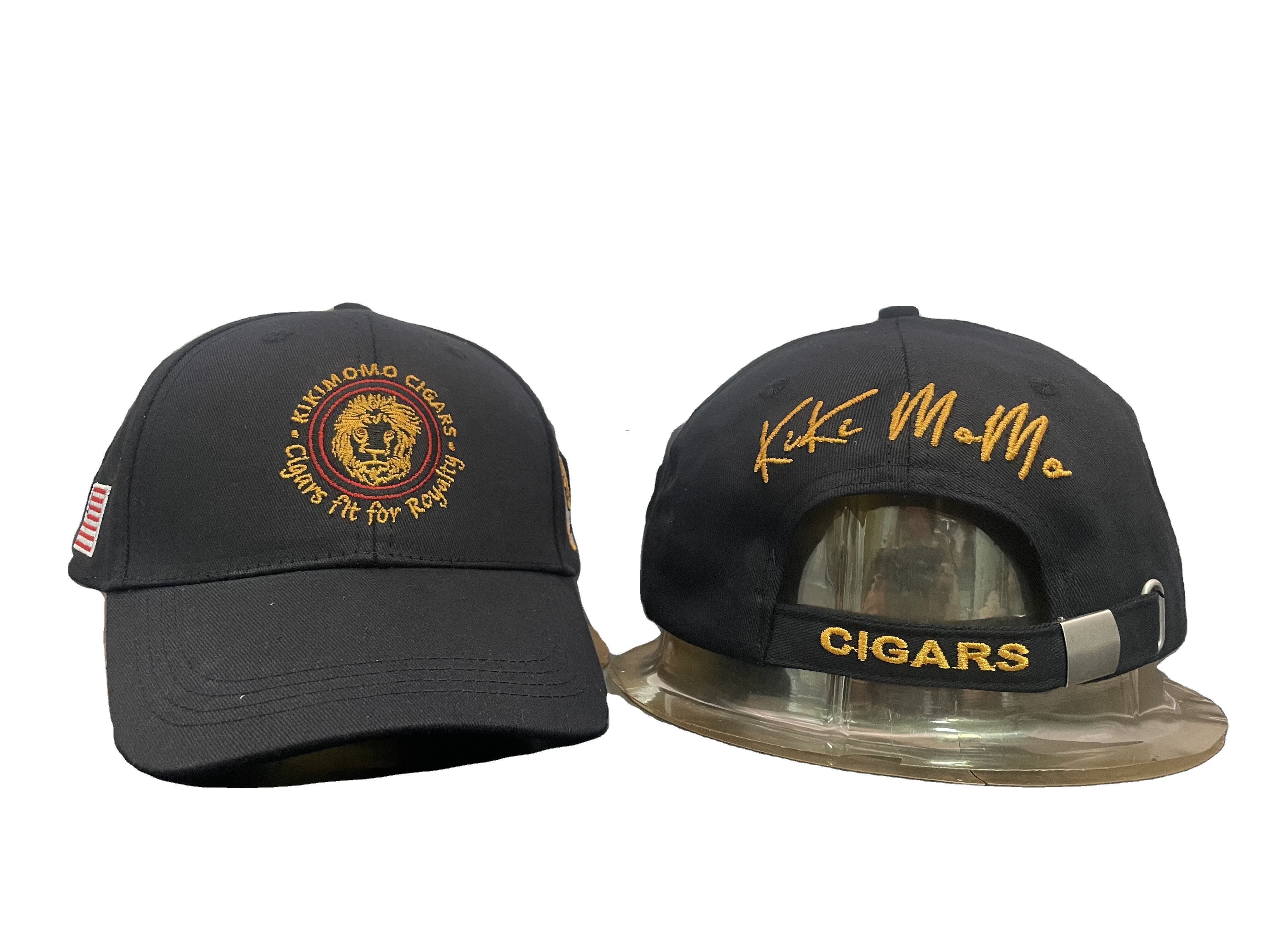
Manufacturing consistency becomes increasingly complex when producing caps at industrial scales, where minor variations in materials, temperature, humidity, or processing parameters can result in significant shape distortions. Leading manufacturers have developed comprehensive strategies that encompass material selection, tooling precision, environmental controls, and multi-stage quality verification systems. These integrated approaches ensure that every cap maintains its intended silhouette, crown height, brim curvature, and overall structural integrity throughout the production lifecycle.
Material Engineering for Shape Retention
Advanced Fabric Selection Criteria
Successful cap manufacturers prioritize fabric materials that demonstrate exceptional shape memory properties and resistance to deformation under stress. Cotton-polyester blends offer superior dimensional stability compared to pure cotton alternatives, maintaining consistent shrinkage rates and reducing shape distortion during washing and wearing cycles. Technical fabrics incorporating elastane fibers provide enhanced recovery characteristics, allowing the cap structure to return to its original form after stretching or compression forces.
Fabric weight specifications play a crucial role in maintaining structural integrity during mass production processes. Medium-weight materials ranging from 280 to 320 GSM provide optimal balance between shape retention and manufacturing flexibility, while lighter fabrics may compromise crown stability and heavier materials can create processing difficulties. Manufacturers conduct extensive fabric testing protocols to evaluate tensile strength, tear resistance, and dimensional stability under various environmental conditions before approving materials for production use.
Interfacing and Reinforcement Systems
Strategic placement of interfacing materials within cap construction significantly enhances shape stability throughout the manufacturing process and product lifecycle. Fusible interfacings applied to crown panels provide structural support while maintaining flexibility for comfortable wear, preventing unwanted creasing or collapse during handling and storage. Non-woven interfacing materials offer consistent thickness and stability properties that remain uniform across large production batches.
Buckram reinforcement in cap brims ensures proper curvature maintenance and prevents drooping or flattening during extended wear periods. High-quality buckram materials maintain their shape memory properties even after repeated exposure to moisture, heat, and mechanical stress. Manufacturers often utilize graduated buckram thickness to achieve specific brim profiles while optimizing material costs and processing efficiency across different cap styles and designs.
Precision Tooling and Manufacturing Systems
Crown Forming Technology
Modern cap production facilities employ sophisticated crown forming equipment that maintains precise dimensional control throughout high-volume manufacturing cycles. Pneumatic crown presses utilize consistent air pressure applications to achieve uniform crown heights and panel curvatures across entire production runs. These automated systems eliminate human variability factors that could introduce shape inconsistencies, ensuring each cap achieves identical specifications regardless of production sequence or operator involvement.
Temperature-controlled forming processes optimize material behavior during crown shaping operations, preventing fabric distortion or incomplete forming that could compromise final product quality. Manufacturers calibrate forming equipment to account for specific fabric properties, ambient conditions, and production speed requirements. Regular tooling maintenance and calibration schedules ensure consistent performance standards and prevent gradual drift in forming precision that could affect shape stability.
Brim Pressing and Shaping Techniques
Specialized brim pressing equipment creates consistent curvature profiles while maintaining structural integrity throughout mass production processes. Multi-stage pressing operations allow manufacturers to achieve complex brim shapes without introducing stress concentrations that could lead to future shape distortion. Heated pressing platens set to optimal temperatures ensure complete interfacing activation while preventing fabric damage or shrinkage irregularities.
Edge finishing processes contribute significantly to long-term shape retention by creating reinforced perimeter structures that resist deformation under normal wear conditions. Overlock stitching techniques provide secure edge treatments that maintain brim integrity while allowing natural flexibility for user comfort. Quality manufacturers implement standardized pressing sequences and timing controls to ensure consistent results across different fabric types and cap styles within their production portfolio.
Environmental Control and Processing Conditions
Climate Management Systems
Maintaining optimal environmental conditions throughout cap manufacturing facilities directly impacts shape stability and dimensional consistency across production batches. Temperature control systems maintaining ranges between 68-72°F prevent fabric expansion or contraction that could affect final product dimensions. Humidity regulation between 45-55% relative humidity ensures consistent material behavior during cutting, sewing, and forming operations while preventing static electricity buildup that could interfere with automated handling systems.
Advanced HVAC systems incorporate air filtration and circulation controls that maintain uniform conditions throughout different production zones. Manufacturers monitor environmental parameters continuously using digital sensors and automated adjustment systems that respond to variations before they can impact product quality. Seasonal adjustments account for external weather conditions that could influence internal facility environments, ensuring year-round consistency in cap production standards.
Material Conditioning Protocols
Pre-production fabric conditioning processes stabilize material dimensions and properties before beginning manufacturing operations, reducing shape variations that could occur during subsequent processing stages. Relaxation treatments allow fabrics to achieve equilibrium moisture content and eliminate residual tensions from shipping and storage. Steam conditioning systems provide controlled moisture application that prepares fabrics for optimal cutting accuracy and sewing performance.
Temperature acclimatization procedures ensure materials reach consistent thermal states before entering production workflows, preventing dimensional changes that could affect pattern accuracy or seam alignment. Quality manufacturers maintain dedicated conditioning areas with controlled environments where materials undergo standardized preparation sequences. These protocols significantly reduce variation in finished cap dimensions and improve overall shape stability performance across large production volumes.
Quality Control and Inspection Methods
Dimensional Verification Systems
Comprehensive dimensional inspection protocols verify cap shape consistency at multiple production stages, identifying potential issues before they impact final product quality. Digital measurement systems capture precise crown heights, brim widths, and circumference dimensions using automated equipment that eliminates human measurement errors. Statistical process control methods track dimensional trends across production batches, enabling early detection of tooling wear or process drift that could affect shape stability.
Optical inspection systems utilize advanced imaging technology to evaluate cap profiles and detect shape irregularities that might not be apparent through manual inspection methods. These systems compare finished products against digital master templates, identifying variations in crown symmetry, brim curvature, or overall silhouette that exceed acceptable tolerance ranges. Automated rejection systems remove non-conforming products from production lines while generating data for process improvement initiatives.
Shape Retention Testing
Accelerated wear testing protocols evaluate long-term shape stability performance under simulated use conditions, providing manufacturers with predictive data about product durability and customer satisfaction potential. Mechanical stress testing applies controlled forces to cap structures, measuring recovery characteristics and permanent deformation tendencies. These tests help optimize material selections and construction methods for enhanced shape retention throughout product lifecycles.
Wash testing procedures simulate multiple cleaning cycles to verify shape stability under typical consumer use patterns, ensuring caps maintain their intended appearance after repeated laundering. Temperature cycling tests evaluate material behavior under extreme conditions that could occur during shipping, storage, or seasonal use. Results from these comprehensive testing programs guide design modifications and process improvements that enhance overall product quality and customer satisfaction ratings.
Automation and Technology Integration
Robotic Handling Systems
Advanced robotic systems handle caps throughout production processes with consistent gentle pressure that preserves shape integrity while maintaining high production speeds. Vacuum-based pickup mechanisms distribute handling forces evenly across cap surfaces, preventing localized compression that could create permanent deformation. Programmable handling sequences adapt to different cap styles and sizes while maintaining optimal grip patterns and movement speeds for each product variant.
Vision-guided robotic systems identify optimal pickup and placement positions for each individual cap, accommodating natural variations in material drape and positioning. These intelligent systems adjust handling parameters automatically based on real-time feedback from integrated sensors, ensuring consistent treatment regardless of minor production variables. Robotic handling eliminates human variability factors that could introduce shape inconsistencies during manual processing operations.
Process Monitoring and Data Analytics
Real-time monitoring systems track critical process parameters throughout cap manufacturing operations, providing immediate alerts when conditions deviate from optimal ranges. Data analytics platforms analyze historical production information to identify patterns and trends that could predict quality issues before they occur. Predictive maintenance algorithms schedule equipment servicing based on actual performance data rather than predetermined intervals, maintaining consistent production capabilities.
Machine learning algorithms continuously optimize processing parameters based on quality outcomes and environmental conditions, automatically adjusting settings to maintain superior shape stability performance. These systems learn from production experience, gradually improving their ability to predict and prevent quality issues. Integrated data management platforms provide comprehensive visibility into all factors affecting cap quality, enabling rapid response to any conditions that could compromise shape stability standards.
Supplier Chain and Material Management
Raw Material Standardization
Establishing rigorous supplier qualification programs ensures consistent material quality that directly supports shape stability objectives in mass production environments. Comprehensive material specifications define exact requirements for fabric properties, interfacing characteristics, and hardware components that affect final product performance. Regular supplier audits verify compliance with quality standards and manufacturing capabilities necessary for supporting high-volume cap production requirements.
Material lot tracking systems maintain complete traceability from raw material receipt through finished product delivery, enabling rapid identification and isolation of any quality issues that could affect shape stability. Incoming inspection procedures verify material properties against established specifications before materials enter production workflows. Statistical sampling protocols ensure representative testing coverage while maintaining efficient material flow through manufacturing processes.
Inventory Management and Storage
Proper material storage conditions preserve fabric and component properties that contribute to shape stability throughout production cycles. Climate-controlled storage facilities maintain optimal temperature and humidity conditions that prevent material degradation or dimensional changes during extended storage periods. Inventory rotation systems ensure materials maintain consistent quality characteristics by preventing aging-related property changes that could affect manufacturing performance.
Just-in-time delivery systems coordinate material availability with production schedules while minimizing storage duration that could affect material properties. Quality manufacturers implement first-in-first-out inventory management protocols that prevent extended storage periods that might compromise shape stability performance. Regular storage condition monitoring ensures materials remain within acceptable environmental ranges throughout their facility residence time.
Training and Workforce Development
Operator Skill Development
Comprehensive training programs educate production personnel about factors affecting cap shape stability and their role in maintaining quality standards throughout manufacturing processes. Hands-on training modules teach proper handling techniques that preserve product integrity during manual operations while maintaining production efficiency requirements. Regular skill assessments verify operator competency and identify additional training needs that could improve overall quality performance.
Cross-training initiatives ensure multiple operators can perform critical functions that affect shape stability, providing flexibility for maintaining quality standards during personnel changes or production surges. Specialized training programs for setup personnel and quality inspectors emphasize the importance of precise adjustments and measurements that directly impact final product quality. Continuous education updates keep workforce members informed about new techniques and technologies that enhance shape stability capabilities.
Quality Culture Development
Building organizational culture that prioritizes quality and shape stability creates shared commitment to excellence throughout all production activities. Quality awareness programs educate all personnel about the importance of shape stability to customer satisfaction and business success. Employee recognition systems reward individuals and teams who demonstrate exceptional commitment to maintaining cap quality standards and implementing process improvements.
Feedback systems encourage workforce participation in identifying potential improvements to shape stability processes and procedures. Regular communication about quality performance and customer feedback helps maintain focus on shape stability objectives throughout daily operations. Team-based problem-solving approaches leverage collective experience and knowledge to address challenges that could affect cap quality or production efficiency.
FAQ
What are the most common causes of shape distortion in mass-produced caps?
The primary causes of shape distortion in mass cap production include inadequate fabric stabilization, improper environmental controls during manufacturing, inconsistent forming pressures, and insufficient interfacing support. Material selection plays a crucial role, as fabrics with poor dimensional stability or inappropriate weight characteristics can lead to crown collapse or brim drooping. Processing variables such as excessive heat, incorrect humidity levels, or inconsistent handling procedures also contribute significantly to shape irregularities across production batches.
How do manufacturers test cap shape retention before launching mass production?
Manufacturers employ comprehensive testing protocols including accelerated wear simulations, wash cycle testing, and mechanical stress applications to evaluate shape retention characteristics. Prototype testing involves subjecting sample caps to extended periods under controlled stress conditions that simulate months of normal wear within shortened timeframes. Digital measurement systems capture precise dimensional data before and after testing to quantify shape stability performance and identify potential improvement opportunities before committing to full-scale production runs.
What role does automation play in maintaining consistent cap shapes during high-volume production?
Automation eliminates human variability factors that could introduce shape inconsistencies while maintaining precise control over critical forming parameters throughout production processes. Robotic handling systems apply consistent pressure distributions and movement patterns that preserve cap integrity during transport and positioning operations. Automated forming equipment maintains exact temperature, pressure, and timing specifications that ensure uniform results regardless of production volume or operator changes, significantly improving shape stability across entire manufacturing runs.
How do seasonal environmental changes affect cap shape stability during manufacturing?
Seasonal variations in temperature and humidity can significantly impact fabric behavior and dimensional stability during cap manufacturing processes. Summer conditions with high humidity may cause fabric expansion and affect cutting accuracy, while winter conditions with low humidity can create static electricity issues and material shrinkage. Professional manufacturers implement seasonal adjustment protocols for environmental control systems and modify processing parameters to compensate for external weather influences, ensuring consistent shape stability performance year-round regardless of external environmental conditions.
Table of Contents
- Material Engineering for Shape Retention
- Precision Tooling and Manufacturing Systems
- Environmental Control and Processing Conditions
- Quality Control and Inspection Methods
- Automation and Technology Integration
- Supplier Chain and Material Management
- Training and Workforce Development
-
FAQ
- What are the most common causes of shape distortion in mass-produced caps?
- How do manufacturers test cap shape retention before launching mass production?
- What role does automation play in maintaining consistent cap shapes during high-volume production?
- How do seasonal environmental changes affect cap shape stability during manufacturing?