 EN
EN

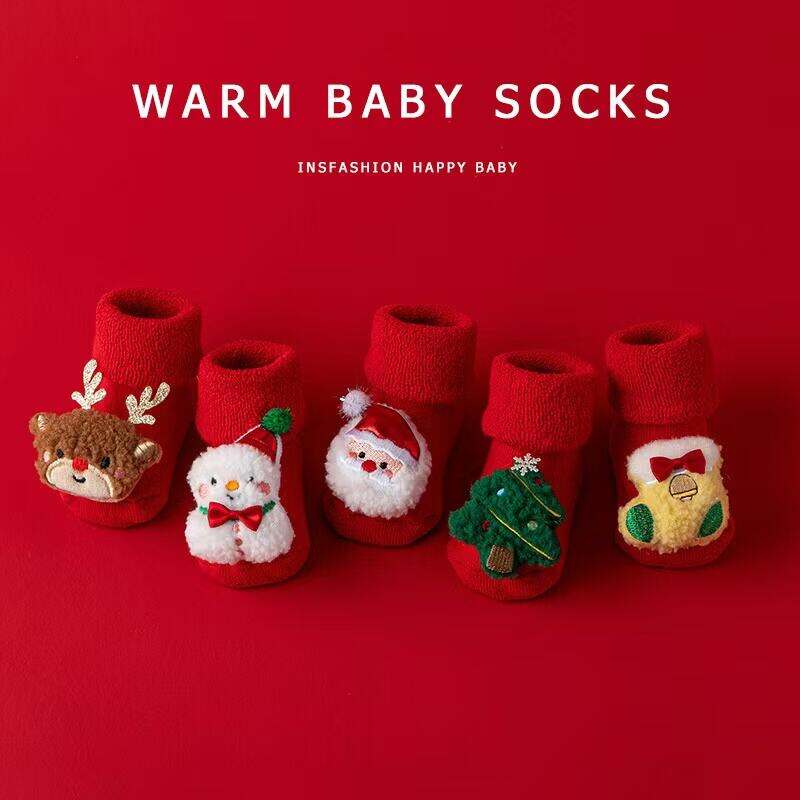
The holiday season brings an explosion of colorful textile products, with christmas socks standing as one of the most popular seasonal accessories. Manufacturers face unique challenges when producing these festive garments, particularly in maintaining the vibrant reds, greens, golds, and other holiday hues that consumers expect. The textile industry has developed sophisticated dyeing processes, color retention techniques, and quality control measures specifically designed to ensure that christmas socks retain their brilliant appearance throughout the manufacturing process and beyond. Understanding these methods reveals the complex science behind creating durable, eye-catching holiday footwear that can withstand multiple washes while preserving the festive spirit that makes these seasonal accessories so appealing to consumers worldwide.
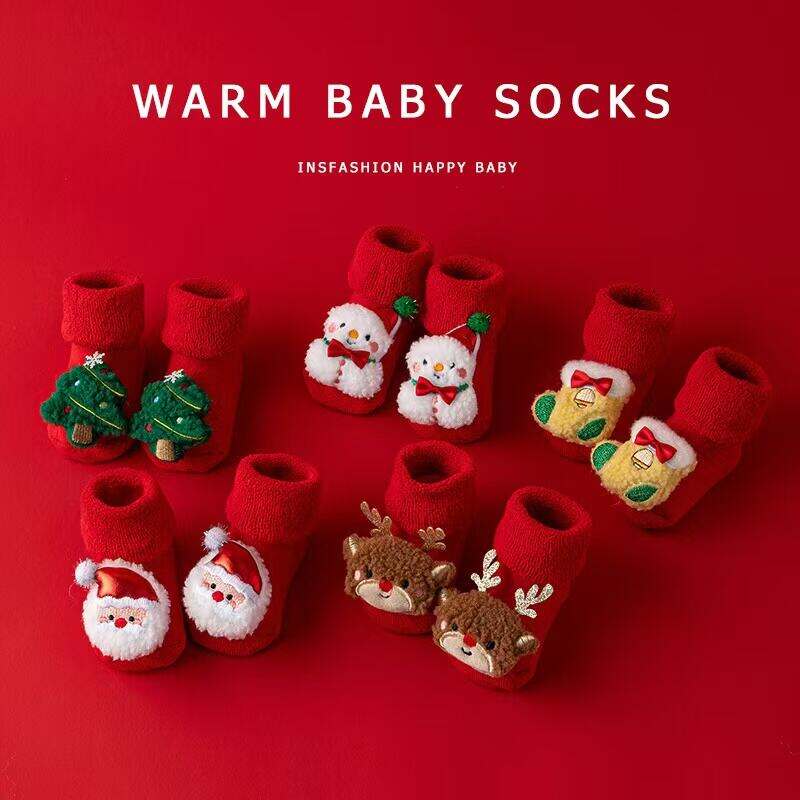
Advanced Dyeing Technologies for Holiday Textiles
Fiber-Reactive Dyeing Processes
Modern christmas socks manufacturers employ fiber-reactive dyeing technologies that create permanent chemical bonds between dye molecules and textile fibers. This advanced process ensures that holiday colors penetrate deeply into the yarn structure rather than merely coating the surface. The reactive dyes form covalent bonds with cotton, bamboo, and other natural fibers commonly used in christmas socks production, resulting in exceptional color fastness that withstands repeated washing cycles. Manufacturers carefully control temperature, pH levels, and processing time to optimize dye uptake and achieve the brilliant holiday colors that consumers associate with quality festive footwear.
The selection of appropriate dye classes plays a crucial role in color vibrancy retention for christmas socks. Manufacturers often utilize vat dyes for deep, rich colors like forest greens and burgundy reds, while employing disperse dyes for synthetic fiber blends that require different chemical approaches. The dyeing process typically involves pre-treatment stages where fabrics undergo scouring and bleaching to remove natural oils and impurities that could interfere with dye absorption. This preparation ensures uniform color application across all areas of the christmas socks, preventing uneven coloration that could compromise the overall aesthetic appeal of the finished product.
Digital Printing Technologies
Contemporary christmas socks manufacturers increasingly rely on digital textile printing technologies to achieve precise color reproduction and intricate holiday designs. These advanced printing systems utilize specially formulated pigment inks that penetrate textile fibers while maintaining excellent color fastness properties. Digital printing allows manufacturers to reproduce complex Christmas motifs, gradients, and multi-colored patterns with exceptional accuracy, ensuring that each pair of christmas socks meets strict quality standards for color consistency and visual appeal.
The digital printing process for christmas socks involves sophisticated color management systems that precisely control ink deposition and curing temperatures. Manufacturers utilize specialized software to calibrate color profiles, ensuring that printed designs match approved color standards throughout production runs. Post-printing treatments, including steam fixation and washing processes, help set the colors permanently while removing excess ink particles that could affect the texture or colorfastness of the finished christmas socks. These technological advances enable manufacturers to produce holiday footwear with photographic-quality designs that maintain their vibrancy even after extended wear and washing.
Color Retention Techniques and Chemical Treatments
Fixative Applications
Professional manufacturers of christmas socks apply specialized chemical fixatives that enhance color retention and prevent fading during use and laundering. These fixative agents work by creating additional chemical bonds between dye molecules and textile fibers, effectively locking colors in place within the fabric structure. Common fixatives include formaldehyde-free crosslinking agents and metal salt complexes that interact with specific dye types to improve washfastness and lightfastness properties essential for maintaining the vibrant appearance of christmas socks throughout their useful life.
The application of fixatives requires precise timing and environmental control during the manufacturing process. Manufacturers typically apply these treatments after dyeing but before final finishing processes, allowing sufficient time for chemical reactions to occur while preventing over-treatment that could affect fabric texture or comfort. Advanced christmas socks producers utilize automated application systems that ensure uniform distribution of fixative chemicals across all textile surfaces, eliminating variations that could lead to uneven color retention performance in different areas of the finished product.
UV Protection Strategies
Ultraviolet light exposure represents one of the primary threats to color vibrancy in christmas socks, prompting manufacturers to incorporate specialized UV-absorbing compounds into their dyeing and finishing processes. These photostabilizers work by absorbing harmful UV radiation before it can interact with dye molecules, preventing the photochemical reactions that typically cause color fading and degradation. Manufacturers select UV protection agents based on the specific dye types and fiber compositions used in their christmas socks production, ensuring optimal protection without compromising other performance characteristics.
The integration of UV protection into christmas socks manufacturing involves both chemical treatments and physical design considerations. Some manufacturers incorporate UV-absorbing nanoparticles into the fiber spinning process, creating inherent protection throughout the textile structure. Others apply topical treatments during finishing operations, using specialized padding or spray application techniques to ensure uniform coverage. Advanced christmas socks may combine multiple UV protection strategies to achieve maximum color preservation while maintaining the soft texture and comfort expected in quality holiday footwear.
Quality Control and Testing Protocols
Colorfastness Testing Procedures
Rigorous quality control measures ensure that christmas socks maintain their color vibrancy throughout their intended lifespan. Manufacturers implement comprehensive colorfastness testing protocols that evaluate color retention under various conditions including washing, rubbing, perspiration, and light exposure. These standardized tests, conducted according to international textile testing standards, provide quantitative measurements of color stability that guide production decisions and quality assurance processes. Christmas socks must pass multiple colorfastness evaluations before receiving approval for commercial distribution.
Laboratory testing for christmas socks colorfastness involves sophisticated equipment that simulates real-world usage conditions under controlled parameters. Wash fastness tests subject fabric samples to multiple washing cycles using standardized detergents and temperatures, measuring color change and staining potential. Light fastness evaluations expose samples to artificial sunlight equivalent to extended natural light exposure, quantifying color degradation over time. Manufacturers use these test results to optimize dyeing processes, select appropriate chemical treatments, and establish care instructions that help consumers maintain the vibrant appearance of their christmas socks.
Production Monitoring Systems
Modern christmas socks manufacturing facilities employ automated monitoring systems that continuously assess color consistency throughout production processes. These systems utilize advanced colorimetry equipment and computer vision technology to detect variations in dye application, identify potential quality issues before they affect finished products, and maintain strict adherence to approved color standards. Real-time monitoring allows manufacturers to make immediate adjustments to dyeing parameters, ensuring that every batch of christmas socks meets established quality criteria for color vibrancy and consistency.
The implementation of production monitoring systems for christmas socks involves sophisticated data collection and analysis capabilities that track multiple variables affecting color quality. Temperature sensors monitor dyeing bath conditions, pH meters ensure optimal chemical environments, and spectrophotometers measure color accuracy at multiple production stages. This comprehensive approach to quality control enables manufacturers to identify trends, predict potential issues, and implement preventive measures that maintain consistent color quality across large production volumes of christmas socks destined for global markets.
Raw Material Selection and Preparation
Fiber Quality Considerations
The foundation of vibrant christmas socks begins with careful selection of high-quality textile fibers that possess excellent dye affinity and color retention properties. Manufacturers evaluate fiber characteristics including surface area, porosity, and chemical composition to determine their suitability for intense holiday color applications. Premium cotton fibers with long staple lengths and uniform diameter provide optimal dye uptake and contribute to the smooth, even coloration essential for professional-quality christmas socks. Synthetic fiber blends may be incorporated to enhance durability and shape retention while maintaining compatibility with chosen dyeing systems.
Fiber preparation processes significantly impact the final color quality of christmas socks, requiring manufacturers to implement thorough cleaning and conditioning procedures before dyeing operations. Raw materials undergo intensive scouring treatments to remove natural waxes, oils, and other substances that could interfere with dye penetration or create uneven coloration. Bleaching processes may be employed to achieve optimal whiteness levels that enhance color brightness and purity in the finished christmas socks. These preparation steps, while time-consuming and costly, are essential for achieving the vibrant, consistent colors that distinguish premium holiday footwear from lower-quality alternatives.
Chemical Compatibility Assessment
Successful christmas socks manufacturing requires careful evaluation of chemical compatibility between selected fibers, dyes, and finishing treatments. Manufacturers conduct extensive testing to ensure that all chemical components work synergistically to achieve desired color results while maintaining textile performance characteristics. Incompatible chemical combinations can lead to color bleeding, uneven dyeing, or reduced durability in the finished christmas socks, making thorough compatibility assessment a critical aspect of quality production processes.
The assessment process for christmas socks chemical compatibility involves laboratory testing of small-scale samples using proposed production chemicals and processes. Manufacturers evaluate color development, fastness properties, and potential adverse reactions under controlled conditions before implementing new formulations in full-scale production. This systematic approach helps prevent costly production errors and ensures that christmas socks consistently meet quality standards for color vibrancy, durability, and consumer satisfaction. Advanced manufacturers maintain extensive databases of compatible chemical combinations that streamline product development and reduce time-to-market for new holiday designs.
Environmental Considerations and Sustainable Practices
Eco-Friendly Dyeing Alternatives
Environmental consciousness has prompted many christmas socks manufacturers to explore sustainable dyeing alternatives that maintain color vibrancy while reducing ecological impact. Natural dyes derived from plant sources, minerals, and other organic materials offer environmentally friendly options for certain color ranges, though achieving the bright reds and greens traditionally associated with christmas socks may require innovative formulation approaches. Manufacturers are developing hybrid systems that combine natural dye components with synthetic enhancers to achieve desired color intensity while minimizing environmental impact.
Low-impact synthetic dyes represent another sustainable approach to christmas socks manufacturing, utilizing advanced chemical formulations that require reduced water consumption, lower processing temperatures, and fewer auxiliary chemicals compared to conventional dyeing systems. These environmentally optimized dyes maintain excellent color fastness properties while supporting manufacturers' sustainability goals. Some christmas socks producers have achieved significant reductions in water usage and chemical waste through adoption of these advanced dyeing technologies, demonstrating that environmental responsibility and product quality can be successfully balanced in modern textile manufacturing.
Waste Reduction Strategies
Progressive christmas socks manufacturers implement comprehensive waste reduction strategies that minimize the environmental impact of color vibrancy maintenance processes. Dye bath recycling systems allow manufacturers to reuse dyeing solutions multiple times, reducing both chemical consumption and waste generation while maintaining consistent color quality. Advanced filtration and treatment technologies enable the recovery and purification of spent dye baths, extending their useful life and reducing the volume of waste requiring disposal.
Water conservation initiatives in christmas socks manufacturing include closed-loop systems that capture, treat, and reuse process water throughout production cycles. These systems incorporate sophisticated filtration technologies that remove dye particles and chemical residues while maintaining water quality suitable for continued use in dyeing operations. Manufacturers report significant reductions in water consumption and wastewater generation through implementation of these recycling systems, supporting both environmental stewardship and operational cost reduction objectives while maintaining the high color standards expected in quality christmas socks.
FAQ
What makes christmas socks retain their bright colors after multiple washes?
Christmas socks maintain their vibrant colors through advanced dyeing techniques that create permanent chemical bonds between dye molecules and textile fibers. Manufacturers use fiber-reactive dyes, specialized fixatives, and UV protection treatments that prevent color degradation during washing and wear. Proper care following manufacturer instructions also plays a crucial role in preserving color vibrancy over time.
How do manufacturers ensure color consistency across different batches of christmas socks?
Manufacturers maintain color consistency in christmas socks through automated monitoring systems, standardized dyeing procedures, and rigorous quality control testing. Advanced colorimetry equipment continuously measures color accuracy throughout production, while laboratory testing validates colorfastness properties before products reach consumers. These systematic approaches ensure that every pair of christmas socks meets established color standards.
Are environmentally friendly dyeing methods effective for maintaining color vibrancy in christmas socks?
Modern eco-friendly dyeing methods can effectively maintain color vibrancy in christmas socks through innovative formulations and advanced processing techniques. While natural dyes may require additional enhancement for achieving traditional holiday colors, low-impact synthetic dyes and sustainable manufacturing processes successfully balance environmental responsibility with color quality requirements. Many manufacturers now offer christmas socks that meet both sustainability goals and color performance standards.
What factors affect the longevity of colors in christmas socks during storage?
Color longevity in stored christmas socks depends on environmental conditions including temperature, humidity, light exposure, and air quality. Manufacturers recommend storing christmas socks in cool, dry, dark environments to prevent color degradation from UV light, moisture, and temperature fluctuations. Proper packaging materials and storage containers help protect against environmental factors that could compromise color vibrancy during extended storage periods.
Table of Contents
- Advanced Dyeing Technologies for Holiday Textiles
- Color Retention Techniques and Chemical Treatments
- Quality Control and Testing Protocols
- Raw Material Selection and Preparation
- Environmental Considerations and Sustainable Practices
-
FAQ
- What makes christmas socks retain their bright colors after multiple washes?
- How do manufacturers ensure color consistency across different batches of christmas socks?
- Are environmentally friendly dyeing methods effective for maintaining color vibrancy in christmas socks?
- What factors affect the longevity of colors in christmas socks during storage?