 EN
EN


Modern textile manufacturing has evolved significantly, particularly in the production of everyday essentials like socks. Manufacturers today face the challenge of creating products that balance comfort, durability, and performance standards. The process involves sophisticated quality control measures, advanced materials science, and precise manufacturing techniques. Understanding how manufacturers achieve these standards provides insight into the complex world of textile production and the technology behind seemingly simple products.
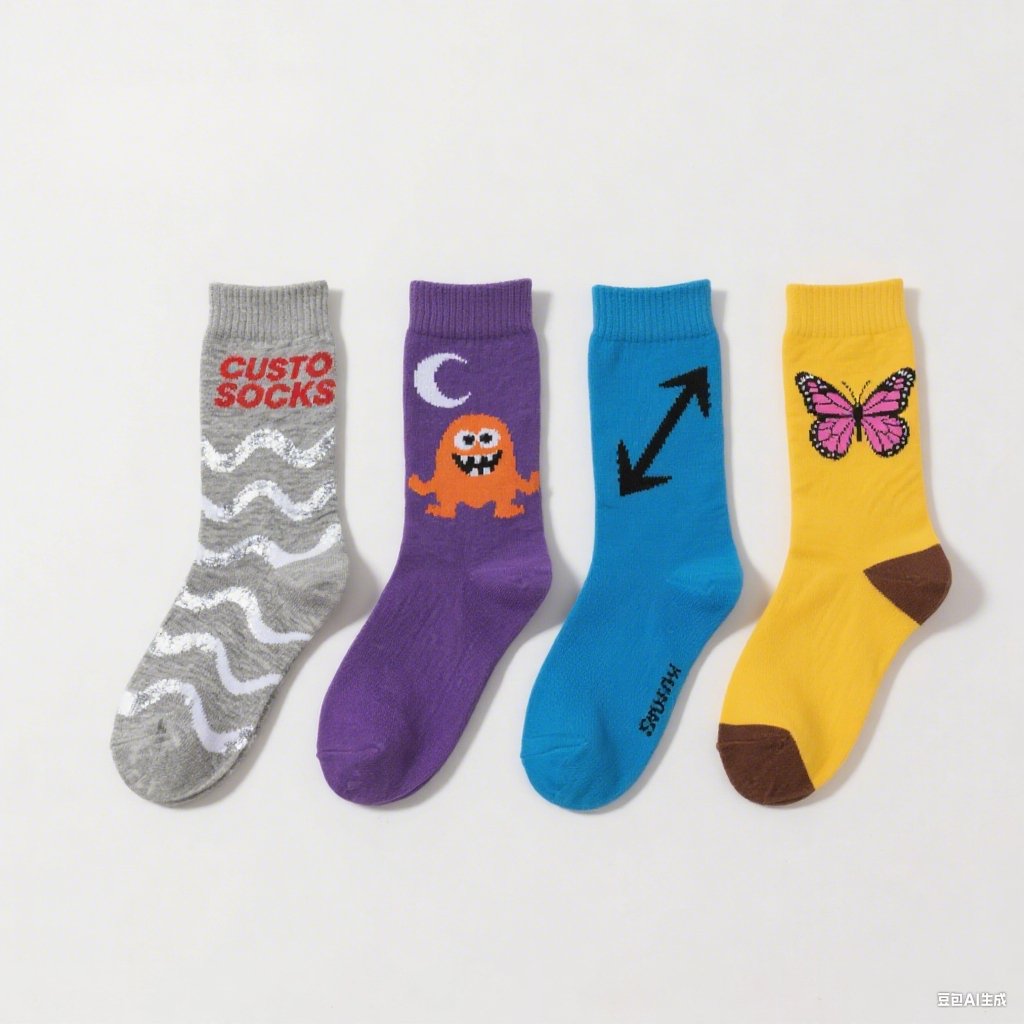
Material Selection and Quality Control Processes
Fiber Technology and Performance Standards
The foundation of quality socks begins with careful fiber selection. Manufacturers evaluate cotton, wool, synthetic blends, and specialty fibers based on their moisture-wicking properties, elasticity, and durability. Each material undergoes rigorous testing to determine its suitability for specific applications. Cotton fibers are tested for staple length and tensile strength, while synthetic materials are evaluated for their ability to maintain shape after repeated washing cycles.
Quality control laboratories conduct extensive testing on raw materials before production begins. These tests include shrinkage analysis, colorfastness evaluation, and abrasion resistance measurements. Manufacturers maintain detailed specifications for each fiber type, ensuring consistent quality across production batches. The testing process also involves evaluating how different fiber blends perform under various environmental conditions, including temperature variations and humidity levels.
Yarn Production and Consistency Monitoring
Converting raw fibers into yarn requires precise control over spinning parameters. Manufacturers monitor yarn tension, twist levels, and diameter consistency throughout the spinning process. Advanced spinning equipment incorporates sensors that detect variations in yarn quality, automatically adjusting parameters to maintain uniformity. This technological integration ensures that every meter of yarn meets predetermined specifications.
The yarn production phase includes multiple quality checkpoints where samples are collected and analyzed. Testing protocols examine yarn strength, elongation properties, and evenness. Manufacturers use statistical process control methods to track yarn quality trends, identifying potential issues before they affect the final product. This systematic approach to yarn quality management directly impacts the comfort and performance characteristics of finished socks.
Knitting Technology and Compression Engineering
Advanced Knitting Machinery and Pattern Design
Modern sock manufacturing relies on sophisticated knitting machines capable of creating complex patterns and varying compression zones. These machines operate with computer-controlled precision, adjusting stitch density and tension to create specific performance characteristics. Different areas of socks require different compression levels, with manufacturers programming machines to deliver graduated compression from toe to cuff.
The knitting process involves multiple variables that affect final product quality. Needle selection, yarn feed rates, and machine speed are carefully calibrated to achieve desired fabric characteristics. Manufacturers employ experienced technicians who understand how these variables interact, making real-time adjustments to maintain quality standards. The complexity of modern knitting technology allows for the creation of seamless construction, eliminating potential comfort issues associated with traditional seamed designs.
Compression Measurement and Validation
Compression standards for socks require precise measurement and validation techniques. Manufacturers use specialized equipment to measure pressure distribution across different areas of the finished product. These measurements are compared against established medical and performance standards to ensure compliance with comfort and therapeutic requirements. The testing process involves both static measurements and dynamic testing that simulates actual wear conditions.
Quality assurance teams conduct regular compression testing throughout production runs. This ongoing monitoring ensures that manufacturing processes consistently deliver products within specified compression ranges. Manufacturers maintain detailed records of compression measurements, creating databases that help identify trends and optimize production parameters. This data-driven approach enables continuous improvement in both comfort and performance characteristics.
Comfort Enhancement Through Design Innovation
Anatomical Fit and Ergonomic Considerations
Creating comfortable socks requires understanding foot anatomy and biomechanics. Manufacturers collaborate with podiatrists and sports scientists to develop designs that accommodate natural foot movement and pressure points. This collaboration results in products with strategically placed cushioning, targeted compression zones, and anatomically correct shaping that enhances comfort during extended wear.
The design process involves detailed analysis of foot pressure distribution during various activities. Manufacturers use this data to determine optimal placement of different materials and construction techniques. Cushioning systems are engineered to provide support where needed most, while maintaining breathability and moisture management throughout the entire sock structure. This scientific approach to design ensures that comfort features are both effective and durable.
Moisture Management and Breathability Systems
Effective moisture management is crucial for sock comfort, requiring careful integration of material properties and construction techniques. Manufacturers develop multi-layer systems that move moisture away from skin while maintaining appropriate insulation properties. These systems often incorporate synthetic fibers with natural materials, creating hybrid constructions that optimize both comfort and performance.
Testing protocols for moisture management include laboratory simulations that replicate real-world wear conditions. Manufacturers measure moisture transfer rates, drying times, and thermal regulation properties under controlled conditions. This testing ensures that socks maintain comfort across varying activity levels and environmental conditions. The data collected helps manufacturers refine fiber blends and construction methods to achieve optimal moisture management performance.
Manufacturing Process Control and Quality Assurance
Automated Inspection Systems
Modern sock manufacturing incorporates automated inspection systems that monitor product quality throughout the production process. These systems use advanced imaging technology and artificial intelligence to detect defects that might affect comfort or durability. Automated inspections can identify issues such as irregular stitching, yarn tension problems, or dimensional variations that could impact fit and comfort.
The integration of automated inspection technology reduces human error while increasing inspection consistency. These systems operate continuously, providing real-time feedback to production operators who can make immediate adjustments when quality issues are detected. Manufacturers maintain detailed logs of inspection results, using this data to identify patterns and optimize manufacturing processes for improved quality outcomes.
Statistical Quality Control Methods
Implementing statistical quality control methods enables manufacturers to maintain consistent standards across large production volumes. These methods involve systematic sampling and testing procedures that provide statistically valid assessments of product quality. Control charts track key performance indicators such as compression levels, dimensional accuracy, and material properties, alerting operators when processes drift outside acceptable limits.
Quality control teams analyze production data to identify opportunities for process improvement. This analysis includes correlation studies that examine relationships between manufacturing parameters and final product characteristics. By understanding these relationships, manufacturers can optimize production settings to consistently achieve desired comfort and compression standards while minimizing waste and production costs.
Testing Protocols and Performance Validation
Laboratory Testing Standards
Comprehensive testing protocols ensure that socks meet established performance standards before reaching consumers. Laboratory testing includes mechanical property evaluation, dimensional stability assessment, and durability testing under simulated wear conditions. These tests provide quantitative data that manufacturers use to validate design specifications and manufacturing process effectiveness.
Testing protocols follow established industry standards while also incorporating manufacturer-specific requirements that exceed minimum specifications. This approach ensures consistent quality while enabling differentiation through superior performance characteristics. Laboratory results guide product development decisions and provide confidence that finished products will deliver expected comfort and compression benefits to end users.
Field Testing and Consumer Validation
Field testing programs involve real-world evaluation of sock performance under actual use conditions. Manufacturers collaborate with athletes, healthcare professionals, and everyday consumers to gather feedback on comfort, fit, and performance characteristics. This feedback provides valuable insights that cannot be obtained through laboratory testing alone, helping manufacturers refine products to better meet user needs.
Consumer validation studies track product performance over extended wear periods, documenting how characteristics change with use and washing. This longitudinal data helps manufacturers understand product durability and identify areas for improvement in both materials and construction methods. The combination of laboratory testing and field validation ensures that socks deliver consistent comfort and compression performance throughout their intended lifespan.
Continuous Improvement and Innovation Strategies
Technology Integration and Process Optimization
Leading sock manufacturers invest in continuous improvement programs that integrate new technologies and optimize existing processes. These programs focus on enhancing both manufacturing efficiency and product quality through systematic evaluation of current methods and implementation of innovative solutions. Technology integration includes adoption of Industry 4.0 principles such as connected manufacturing systems and predictive maintenance programs.
Process optimization efforts examine every aspect of sock production, from raw material handling through finished product packaging. Manufacturers use lean manufacturing principles to eliminate waste while maintaining quality standards. This comprehensive approach to improvement ensures that enhancement efforts contribute to both cost effectiveness and product quality, creating sustainable competitive advantages in the marketplace.
Research and Development Initiatives
Innovation in sock manufacturing requires ongoing research and development efforts that explore new materials, construction methods, and performance enhancement technologies. Manufacturers collaborate with material suppliers, research institutions, and technology partners to develop next-generation solutions that advance comfort and compression capabilities. These partnerships accelerate innovation while sharing development costs and risks.
Research initiatives often focus on emerging consumer needs such as enhanced antimicrobial properties, improved sustainability, or specialized performance requirements for specific activities. Development programs systematically evaluate new concepts through prototype testing and consumer feedback, ensuring that innovations deliver meaningful benefits before full-scale production implementation. This disciplined approach to innovation ensures that new products meet both performance expectations and market requirements.
FAQ
What testing methods do manufacturers use to ensure sock compression levels meet medical standards
Manufacturers employ specialized pressure measurement devices that assess compression at multiple points along the sock structure. These devices simulate leg anatomy and measure pressure distribution under controlled conditions. Testing follows established medical standards such as those set by the American National Standards Institute, ensuring that compression levels provide therapeutic benefits without causing discomfort or circulation problems.
How do manufacturers maintain consistent quality across different production batches
Quality consistency is achieved through statistical process control methods that monitor key production parameters in real-time. Manufacturers establish control limits for critical variables such as yarn tension, knitting speed, and compression levels. When measurements fall outside these limits, production is adjusted immediately to prevent quality variations. Regular calibration of equipment and ongoing operator training also contribute to consistent quality outcomes.
What role does fiber selection play in achieving comfort standards for socks
Fiber selection directly impacts moisture management, softness, durability, and elasticity of finished socks. Manufacturers evaluate fiber properties through extensive testing that includes abrasion resistance, moisture absorption rates, and recovery characteristics after stretching. The selection process considers how different fibers perform in blends, ensuring that the combination delivers optimal comfort while maintaining structural integrity throughout the product lifecycle.
How do manufacturers validate that their socks provide appropriate cushioning and support
Cushioning and support validation involves both laboratory testing and real-world evaluation programs. Laboratory tests measure compression resistance and energy absorption properties of cushioning materials under simulated walking and running conditions. Field testing programs involve volunteers who wear test products during various activities while providing feedback on comfort and support levels. This combined approach ensures that cushioning systems deliver effective performance in actual use situations.
Table of Contents
- Material Selection and Quality Control Processes
- Knitting Technology and Compression Engineering
- Comfort Enhancement Through Design Innovation
- Manufacturing Process Control and Quality Assurance
- Testing Protocols and Performance Validation
- Continuous Improvement and Innovation Strategies
-
FAQ
- What testing methods do manufacturers use to ensure sock compression levels meet medical standards
- How do manufacturers maintain consistent quality across different production batches
- What role does fiber selection play in achieving comfort standards for socks
- How do manufacturers validate that their socks provide appropriate cushioning and support