 EN
EN

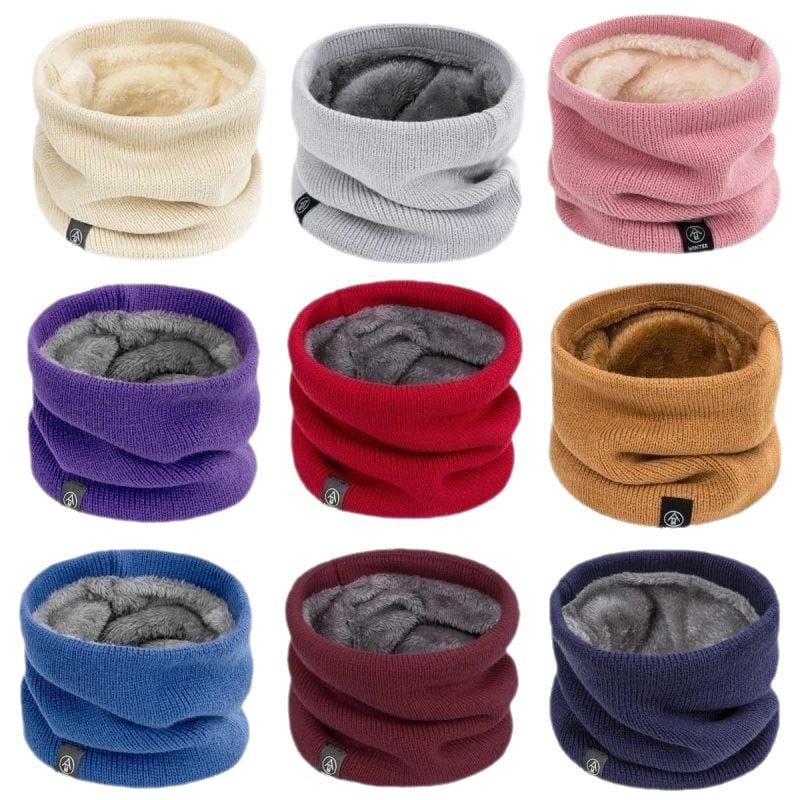
Choosing the right material for your neck warmer can make the difference between staying comfortably warm and enduring cold discomfort during winter activities. With various fabrics available, from traditional wool to modern synthetic fleece and breathable cotton, understanding each material's unique properties helps you make an informed decision. A quality neck warmer serves as an essential barrier against harsh weather conditions, protecting one of your body's most vulnerable heat-loss areas while maintaining comfort throughout extended outdoor exposure.
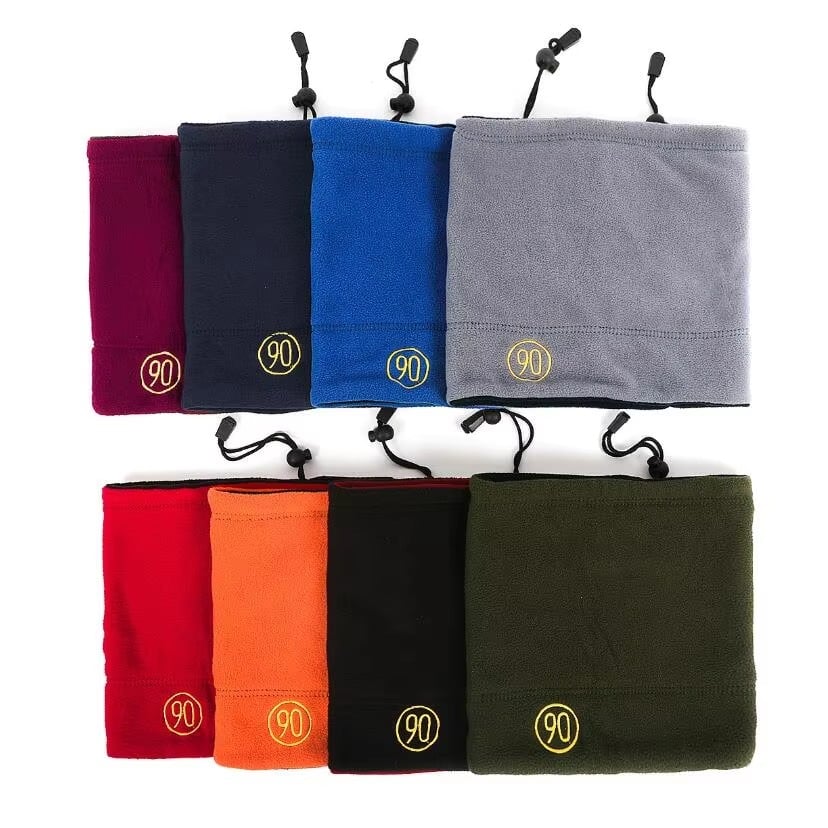
Understanding Wool Neck Warmers
Natural Insulation Properties
Wool stands as nature's premier insulating material, offering exceptional thermal regulation that has protected humans for thousands of years. The unique fiber structure of wool creates countless tiny air pockets that trap warm air close to your skin while allowing moisture to escape. This natural breathability prevents the clammy feeling often associated with synthetic materials, making wool neck warmers ideal for varying activity levels and temperature fluctuations.
Merino wool, in particular, represents the gold standard for neck warmer construction due to its ultra-fine fibers that feel soft against sensitive neck skin. Unlike coarser wool varieties, merino wool resists itching and provides superior comfort during extended wear. The natural elasticity of wool fibers allows your neck warmer to maintain its shape even after repeated stretching and washing, ensuring long-term durability and consistent fit.
Moisture Management and Odor Resistance
One of wool's most remarkable characteristics is its ability to absorb moisture while still feeling dry to the touch. Wool fibers can absorb up to thirty percent of their weight in moisture without compromising insulation properties, making wool neck warmers exceptionally functional during high-exertion activities like skiing or hiking. This moisture-wicking capability helps regulate your body temperature by preventing overheating and subsequent cooling when activity levels decrease.
The natural antimicrobial properties of wool inhibit bacterial growth, significantly reducing odor buildup even during multi-day outdoor adventures. This inherent odor resistance means your neck warmer requires less frequent washing compared to synthetic alternatives, making wool an excellent choice for extended backcountry trips where laundry facilities are unavailable.
Exploring Fleece Neck Warmer Benefits
Synthetic Performance Advantages
Modern fleece technology has revolutionized outdoor apparel, offering lightweight warmth that rivals natural materials while providing distinct practical advantages. Polyester fleece neck warmers excel in wet conditions where wool might lose some insulating capacity, maintaining their thermal properties even when completely saturated. This synthetic reliability makes fleece particularly valuable for water sports, humid climates, or unpredictable weather conditions.
The manufacturing process allows for precise control over fleece density and texture, resulting in consistent quality and performance characteristics across different products. Micro-fleece varieties provide exceptional softness while maintaining durability, creating neck warmer options that feel luxurious against your skin without the premium price point associated with high-grade wool products.
Care and Maintenance Simplicity
Fleece neck warmers offer unmatched convenience in terms of care and maintenance, making them ideal for frequent use or situations where easy cleaning is essential. Unlike wool, which requires gentle hand washing or specialized wool detergents, fleece can withstand regular machine washing and drying without shrinking, felting, or losing its insulating properties. This durability makes fleece neck warmers particularly suitable for children's outdoor gear or high-use applications.
The quick-drying nature of fleece means your neck warmer will be ready for use shortly after washing, eliminating the extended drying times required for natural fibers. This rapid turnaround proves invaluable during multi-day outdoor activities or when you need backup gear for unpredictable weather conditions.
Cotton Neck Warmer Characteristics
Natural Fiber Comfort
Cotton neck warmers provide unmatched comfort for individuals with sensitive skin or allergies to synthetic materials. The natural fiber structure offers exceptional softness and breathability, making cotton an ideal choice for mild weather conditions or indoor environments where extreme insulation is unnecessary. Cotton's hypoallergenic properties ensure compatibility with virtually all skin types, reducing the risk of irritation during extended wear periods.
The versatility of cotton allows for various weave patterns and fabric weights, creating neck warmer options suitable for different seasons and activities. Lightweight cotton varieties work excellently as dust protection or sun barriers in desert environments, while heavier cotton flannel provides moderate warmth for cool autumn evenings or spring mornings.
Breathability and Versatility
Cotton's natural breathability makes it an excellent choice for neck warmers intended for variable activity levels or transitional weather conditions. Unlike synthetic materials that can trap heat and moisture, cotton allows air circulation that prevents overheating during moderate exertion while still providing protection against wind and debris. This balance makes cotton neck warmers particularly suitable for gardening, light hiking, or urban commuting.
The absorbent nature of cotton provides cooling benefits in hot climates when dampened with water, transforming your neck warmer into an evaporative cooling device. This dual-purpose functionality adds value for outdoor workers or travelers in diverse climate conditions where a single piece of gear must serve multiple functions.
Performance Comparison Across Materials
Thermal Efficiency Analysis
When comparing thermal efficiency, wool consistently outperforms both fleece and cotton in terms of warmth-to-weight ratio and temperature regulation. Wool neck warmers provide superior insulation in cold, dry conditions while maintaining breathability that prevents overheating during activity. Fleece offers reliable warmth with lighter weight but may require layering in extremely cold conditions to match wool's thermal performance.
Cotton ranks lowest in pure thermal efficiency but excels in moderate temperature ranges where excessive insulation would cause discomfort. The thermal properties of cotton make it ideal for neck warmers designed for spring and fall use, providing just enough protection against cool breezes without causing overheating during physical activity.
Durability and Longevity Factors
Durability varies significantly among neck warmer materials, with each offering distinct advantages depending on use patterns and care practices. High-quality wool neck warmers can last decades with proper care, developing a softer texture over time while maintaining their insulating properties. However, wool requires more careful handling to prevent damage from moths, aggressive washing, or excessive heat exposure.
Fleece demonstrates excellent durability under normal use conditions, resisting tears, abrasion, and compression better than natural fibers. The synthetic construction eliminates concerns about insect damage while providing consistent performance throughout the garment's lifespan. Cotton neck warmers offer moderate durability with the advantage of easy replacement due to typically lower cost, making them practical for high-wear applications where eventual replacement is expected.
Selecting the Right Material for Your Needs
Activity-Based Considerations
Your intended activities should primarily guide your neck warmer material selection, as different fabrics excel in specific conditions and use patterns. For high-intensity winter sports like cross-country skiing or mountaineering, wool's superior moisture management and temperature regulation make it the optimal choice. The natural fiber's ability to maintain warmth even when damp provides crucial safety benefits in challenging mountain environments.
Casual outdoor activities such as dog walking, commuting, or spectating outdoor events favor fleece neck warmers due to their convenience and reliable performance in variable conditions. The easy care requirements and quick-drying properties make fleece ideal when you need dependable protection without complicated maintenance routines.
Climate and Environmental Factors
Environmental conditions significantly influence material performance, making climate consideration essential for optimal neck warmer selection. Wool excels in dry, cold climates where temperature regulation and moisture management are crucial, while fleece performs better in wet, humid conditions where synthetic materials maintain their properties despite moisture exposure. Cotton works best in mild, dry climates where extreme insulation is unnecessary.
Wind exposure patterns also affect material choice, as tightly woven wool and dense fleece provide superior wind resistance compared to loose cotton weaves. Consider the typical weather patterns in your area and the specific conditions you'll encounter most frequently when choosing your neck warmer material.
Care and Maintenance Guidelines
Wool Care Requirements
Proper wool neck warmer care ensures longevity and maintains performance characteristics throughout the garment's lifespan. Hand washing in cool water with wool-specific detergent prevents felting and shrinkage while preserving the natural oils that contribute to wool's water-resistant properties. Avoid wringing or twisting wet wool, instead gently squeezing out excess water before laying flat to dry away from direct heat sources.
Regular airing between uses helps maintain wool's natural freshness without frequent washing, as the antimicrobial properties naturally resist odor buildup. Store wool neck warmers in breathable containers with cedar blocks or lavender sachets to deter moths while maintaining fabric integrity during off-season storage periods.
Synthetic and Natural Fiber Maintenance
Fleece neck warmers require minimal special care, thriving under standard machine washing and drying conditions that make maintenance convenient for busy lifestyles. Use mild detergent and avoid fabric softeners, which can reduce fleece's moisture-wicking capabilities by coating fibers with residue. Low heat settings prevent melting or damage to synthetic fibers while ensuring thorough drying.
Cotton neck warmers benefit from regular washing to maintain hygiene and appearance, accepting standard laundry practices without special considerations. Pre-treating stains and using appropriate water temperatures based on fabric weight ensures optimal cleaning results while preventing unnecessary wear from harsh treatment.
FAQ
Which material provides the best warmth for extremely cold conditions
Wool neck warmers offer superior warmth in extremely cold conditions due to their exceptional insulating properties and natural temperature regulation. Merino wool, specifically, provides the best combination of warmth, moisture management, and comfort for severe winter weather. While fleece can provide adequate warmth, it typically requires thicker construction to match wool's thermal efficiency in sub-zero temperatures.
How do I prevent my neck warmer from becoming smelly during extended use
Wool neck warmers naturally resist odor development due to antimicrobial properties, making them ideal for multi-day use without washing. For fleece and cotton options, regular washing and thorough drying prevent bacterial growth that causes unpleasant odors. Between uses, allow your neck warmer to air dry completely and store in a well-ventilated area to maintain freshness.
Can I machine wash all types of neck warmer materials safely
Fleece and cotton neck warmers generally handle machine washing well with standard detergents and water temperatures. Wool requires more careful treatment, with hand washing or gentle machine cycles using wool-specific detergents recommended to prevent shrinkage and felting. Always check manufacturer care instructions, as treatment requirements can vary based on specific fiber blends and construction methods.
Which material works best for people with sensitive skin or allergies
Cotton neck warmers provide the best option for individuals with sensitive skin or material allergies, as natural cotton fibers are hypoallergenic and less likely to cause irritation. High-quality merino wool also works well for sensitive skin due to its ultra-fine fiber structure, while some people may react to coarser wool varieties. Synthetic fleece can occasionally cause sensitivity in individuals prone to reactions from petroleum-based materials.