 EN
EN
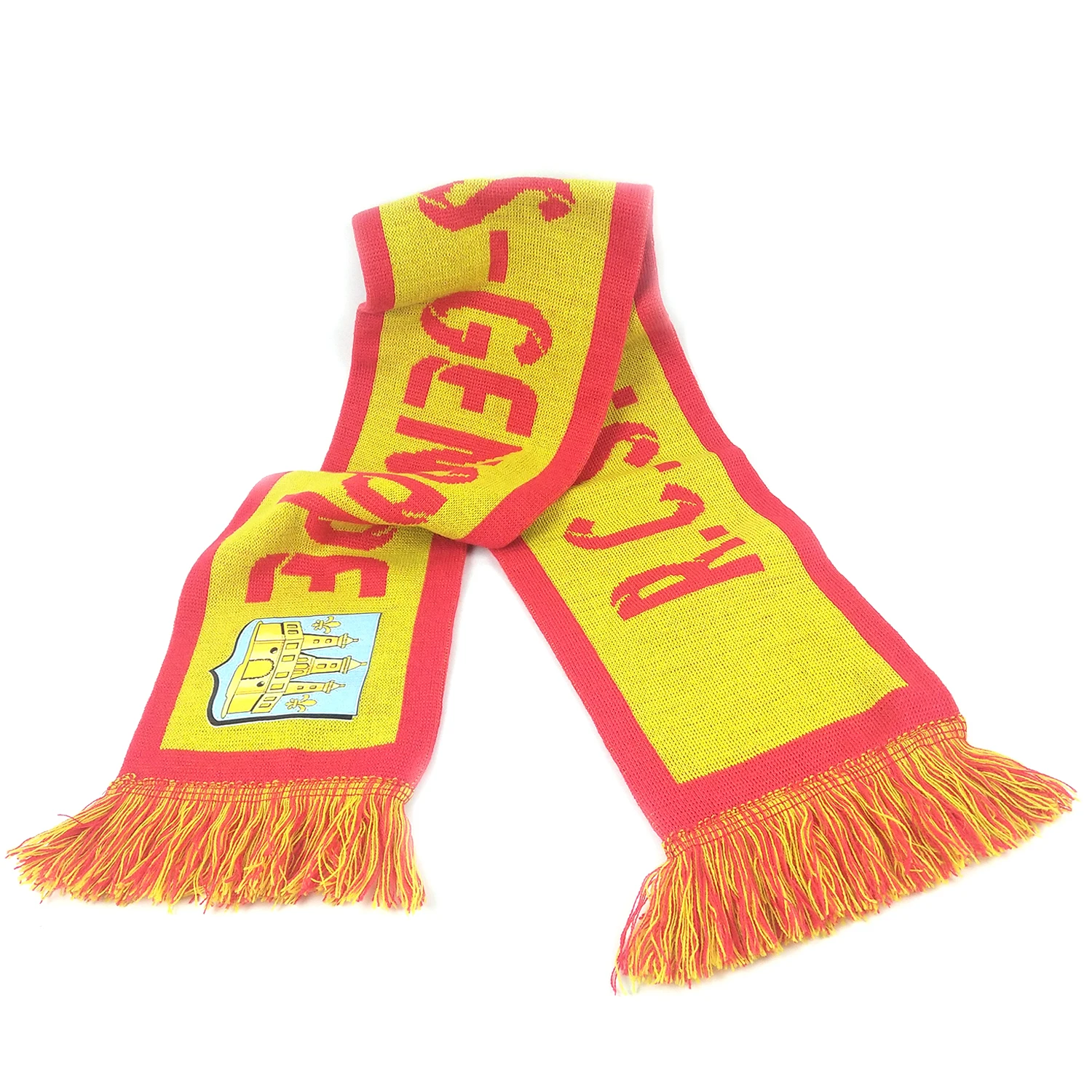
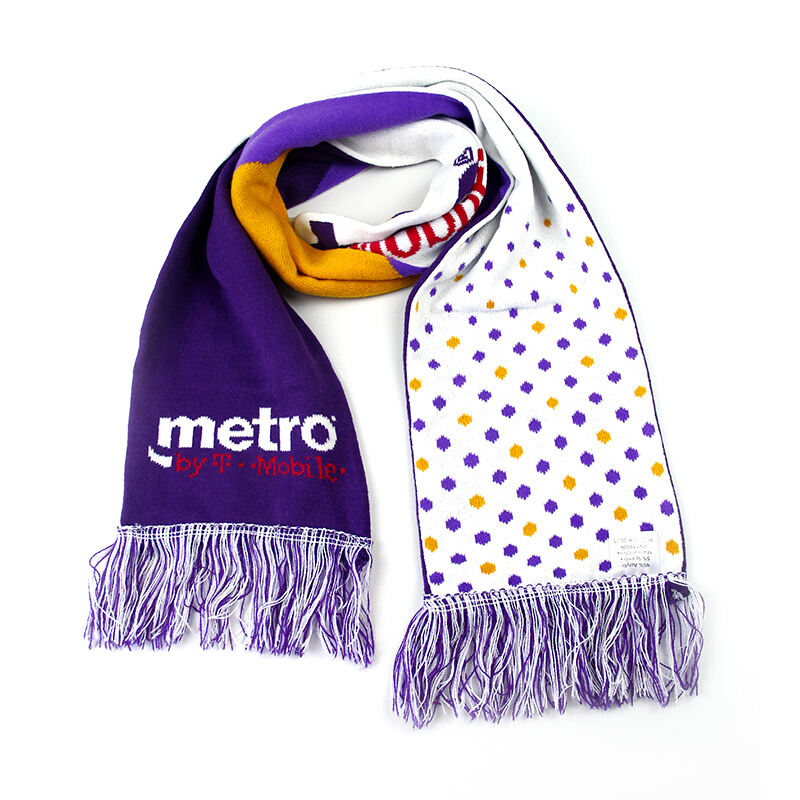
Selecting the right supplier for your knitted scarf business requires careful evaluation of multiple critical factors that can significantly impact your product quality, delivery timelines, and overall profitability. The global textile market presents numerous opportunities for importers seeking reliable knitted scarf manufacturers, yet the abundance of options can make the selection process overwhelming. Understanding the key criteria for supplier assessment enables importers to establish productive partnerships that drive long-term business success. Modern consumers increasingly demand high-quality knitted scarf products that combine superior craftsmanship with competitive pricing, making supplier selection more crucial than ever.
Manufacturing Capabilities and Production Capacity
Assessment of Equipment and Technology
The manufacturing infrastructure of a knitted scarf supplier directly correlates with their ability to deliver consistent quality products within specified timeframes. Advanced knitting machinery enables suppliers to produce intricate patterns, maintain uniform stitch tension, and achieve superior fabric finish that meets international quality standards. Importers should evaluate whether potential suppliers utilize computerized knitting machines that offer precise control over yarn tension and pattern complexity. The presence of modern equipment also indicates the supplier's commitment to staying current with industry technological advancements and their capacity to handle diverse knitted scarf specifications.
Production facility layout and workflow organization provide valuable insights into operational efficiency and quality control measures. Well-organized manufacturing spaces typically demonstrate systematic approaches to production management, reducing the likelihood of errors and ensuring consistent output quality. The integration of automated systems for yarn handling, pattern programming, and quality inspection reflects a supplier's dedication to maintaining high production standards. Additionally, suppliers with redundant equipment can better manage production continuity during maintenance periods or unexpected equipment failures, ensuring reliable delivery schedules for knitted scarf orders.
Scalability and Volume Management
Understanding a supplier's production capacity helps importers determine whether the partnership can accommodate current order volumes and future business growth. Effective knitted scarf suppliers maintain detailed production scheduling systems that allow them to provide accurate delivery estimates and manage multiple client orders simultaneously. The ability to scale production up or down based on seasonal demand fluctuations is particularly important in the fashion accessory industry where knitted scarf sales often peak during colder months. Suppliers with flexible production capabilities can better serve importers who experience varying order volumes throughout the year.
Lead time management represents another critical aspect of production capacity evaluation, as delayed deliveries can significantly impact retail schedules and customer satisfaction. Reliable suppliers maintain buffer capacity to handle urgent orders and unexpected demand spikes without compromising quality standards. The implementation of lean manufacturing principles enables efficient resource utilization and minimizes waste, ultimately contributing to more competitive pricing for knitted scarf products. Importers should also assess whether suppliers have established protocols for handling large-volume orders that may require additional workforce or extended production hours.
Quality Control Standards and Certifications
Material Selection and Testing Procedures
The foundation of superior knitted scarf quality lies in the careful selection and testing of raw materials, particularly yarns and fibers used in the manufacturing process. Professional suppliers implement rigorous material inspection protocols that verify yarn specifications, color consistency, and tensile strength before production begins. These quality control measures ensure that each knitted scarf meets predetermined standards for softness, durability, and appearance. The use of certified organic or sustainable fibers may also be important for importers targeting environmentally conscious consumer markets.
Comprehensive testing procedures should encompass various aspects of material performance, including colorfastness, shrinkage resistance, and pilling tendency. Suppliers who maintain in-house testing laboratories can provide detailed material certificates and performance data, offering greater transparency and confidence in product quality. The implementation of batch testing protocols ensures consistency across production runs, minimizing variations that could affect the final knitted scarf appearance or performance. Regular calibration of testing equipment and adherence to international testing standards demonstrate a supplier's commitment to maintaining accurate quality assessments.
International Compliance and Certification Standards
Compliance with international quality and safety standards is essential for importers seeking to distribute knitted scarf products in regulated markets such as the United States, European Union, or other developed economies. Suppliers holding certifications from recognized organizations like OEKO-TEX, GOTS, or ISO demonstrate their commitment to maintaining consistent quality standards and environmental responsibility. These certifications provide assurance that knitted scarf products have been manufactured using safe chemicals and processes that meet strict international guidelines.
Documentation and traceability systems enable suppliers to provide comprehensive product histories, from raw material sourcing through final inspection and packaging. This level of transparency becomes increasingly important as consumers and regulatory bodies demand greater accountability in textile manufacturing. Suppliers who maintain detailed quality records can quickly identify and address potential issues, minimizing the risk of product recalls or compliance violations. The ability to provide certificates of analysis, test reports, and compliance documentation supports importers in meeting their own regulatory obligations and customer requirements.
Supply Chain Management and Logistics
Raw Material Sourcing and Inventory Control
Effective supply chain management begins with strategic raw material sourcing that ensures consistent availability of high-quality yarns and accessories needed for knitted scarf production. Suppliers with established relationships with multiple yarn manufacturers can better manage price fluctuations and material shortages that might otherwise disrupt production schedules. Diversified sourcing strategies also provide flexibility in material selection, enabling suppliers to offer various fiber options and price points to meet different market requirements. The implementation of just-in-time inventory systems helps optimize working capital while ensuring adequate material availability for production needs.
Inventory management systems that track material usage, production progress, and finished goods availability enable suppliers to provide accurate delivery estimates and manage multiple client orders efficiently. Advanced inventory control measures include automated reorder points, material quality tracking, and waste minimization protocols that contribute to overall cost efficiency. Suppliers who maintain strategic inventory levels can respond quickly to rush orders or seasonal demand increases without compromising quality standards. The integration of digital inventory management systems provides real-time visibility into production capacity and material availability, supporting better planning and communication with importers.
Shipping and Distribution Networks
Reliable shipping and distribution capabilities are crucial for maintaining consistent delivery schedules and managing logistics costs associated with knitted scarf imports. Suppliers with established relationships with multiple freight forwarders and shipping companies can offer competitive rates and flexible delivery options that meet various importer requirements. The ability to handle different shipping methods, from air freight for urgent orders to sea freight for large volumes, provides importers with cost-effective options based on their specific needs and timelines.
Professional packaging standards protect knitted scarf products during transit while optimizing shipping volumes to reduce per-unit logistics costs. Suppliers who invest in appropriate packaging materials and methods demonstrate their understanding of product protection requirements and commitment to delivering goods in perfect condition. The implementation of tracking systems and proactive communication regarding shipment status helps importers manage their own inventory planning and customer commitments. Additionally, suppliers with experience in international trade documentation and customs procedures can minimize delays and compliance issues that might otherwise impact delivery schedules.
Communication and Customer Service Excellence
Language Capabilities and Cultural Understanding
Effective communication forms the foundation of successful international business relationships, particularly when working with knitted scarf suppliers in different countries and time zones. Suppliers with multilingual capabilities and cultural awareness can better understand importer requirements and provide more effective support throughout the business relationship. Clear communication protocols help prevent misunderstandings that could lead to production errors, delivery delays, or quality issues. The availability of dedicated account managers who understand both technical specifications and business requirements enhances the overall partnership experience.
Cultural sensitivity and business etiquette awareness contribute to smoother negotiations and long-term relationship building between importers and suppliers. Understanding different business practices, decision-making processes, and communication styles helps both parties establish mutual respect and trust. Suppliers who invest in cross-cultural training for their international sales teams demonstrate professionalism and commitment to serving global clients effectively. Regular communication schedules and reporting protocols keep importers informed about production progress, potential challenges, and delivery timelines for their knitted scarf orders.
Technical Support and Problem Resolution
Comprehensive technical support capabilities enable suppliers to assist importers with product specifications, design modifications, and quality improvements that enhance market competitiveness. Knowledgeable technical staff can provide valuable insights into fiber selection, pattern design, and manufacturing processes that optimize product performance and cost efficiency. The availability of sample development services allows importers to evaluate product quality and market appeal before committing to large production runs. Responsive technical support also helps address any production issues or quality concerns that may arise during manufacturing.
Proactive problem resolution demonstrates a supplier's commitment to customer satisfaction and long-term business relationships. Suppliers who maintain clear escalation procedures and response time commitments provide importers with confidence in their ability to handle challenges effectively. The implementation of continuous improvement processes based on customer feedback helps suppliers enhance their service quality and product offerings over time. Regular performance reviews and feedback sessions enable both parties to identify opportunities for process optimization and relationship enhancement, contributing to mutual business success in the knitted scarf market.
Financial Stability and Pricing Structure
Payment Terms and Financial Flexibility
Understanding a supplier's financial stability and payment requirements is crucial for establishing sustainable business relationships in the knitted scarf industry. Suppliers who offer flexible payment terms demonstrate confidence in their operations and willingness to work with importers to optimize cash flow management. Various payment options, including letters of credit, trade financing, and progressive payment schedules, can help importers manage their financial resources more effectively while maintaining good supplier relationships. The availability of early payment discounts or volume-based pricing incentives provides additional value for importers with strong financial positions.
Financial transparency regarding pricing components helps importers understand cost structures and identify opportunities for optimization through design modifications or volume adjustments. Suppliers who provide detailed cost breakdowns for materials, labor, and overhead enable importers to make informed decisions about product specifications and order quantities. The implementation of long-term pricing agreements can provide stability and predictability for both parties, particularly important in volatile commodity markets that affect yarn and fiber costs. Regular pricing reviews based on market conditions and volume commitments help maintain fair and competitive pricing throughout the business relationship.
Value Engineering and Cost Optimization
Professional suppliers actively contribute to cost optimization through value engineering services that maintain quality standards while reducing production costs. This collaborative approach involves analyzing knitted scarf designs, material selections, and manufacturing processes to identify efficiency improvements without compromising product integrity. Suppliers with strong engineering capabilities can suggest alternative materials, simplified construction methods, or design modifications that achieve desired performance characteristics at lower costs. The integration of sustainability principles into value engineering efforts can also appeal to environmentally conscious consumers while potentially reducing material costs.
Continuous improvement initiatives that focus on waste reduction, process efficiency, and quality enhancement contribute to long-term cost competitiveness in the knitted scarf market. Suppliers who invest in employee training, equipment upgrades, and process optimization demonstrate their commitment to maintaining competitive advantages that benefit their clients. The sharing of cost savings achieved through efficiency improvements helps build trust and encourages continued collaboration between importers and suppliers. Regular performance metrics and benchmarking studies provide objective measures of cost effectiveness and identify areas for further improvement in knitted scarf production and delivery processes.
FAQ
How can importers verify the quality standards of knitted scarf suppliers before placing large orders
Importers should request product samples, visit manufacturing facilities when possible, and review quality certifications from recognized international organizations. Conducting third-party inspections and requesting detailed quality control documentation helps verify that suppliers maintain consistent standards. Additionally, checking references from other clients and reviewing any available audit reports provides insights into the supplier's quality performance history and reliability in meeting specifications for knitted scarf products.
What are the typical lead times for knitted scarf production and how can importers plan accordingly
Standard lead times for knitted scarf production typically range from 15 to 45 days depending on order complexity, volume, and seasonal demand. Importers should account for additional time for sample approval, material procurement, and shipping when planning their inventory needs. Establishing clear production schedules with suppliers and maintaining buffer time for unexpected delays helps ensure adequate stock availability for retail seasons, particularly during peak demand periods for winter accessories.
How do minimum order quantities affect pricing and supplier selection for knitted scarf imports
Minimum order quantities directly impact per-unit pricing, with larger orders generally receiving better rates due to economies of scale in knitted scarf production. Importers should balance order size with inventory carrying costs and market demand to optimize profitability. Some suppliers offer flexible MOQs for new clients or seasonal orders, while others maintain strict requirements based on their production efficiency needs. Understanding these requirements helps importers select suppliers that align with their business model and volume capabilities.
What documentation should importers expect from reliable knitted scarf suppliers for international trade
Professional suppliers should provide comprehensive documentation including commercial invoices, packing lists, certificates of origin, and quality inspection reports for knitted scarf shipments. Additional documentation may include material safety data sheets, compliance certificates for target markets, and detailed product specifications. Suppliers experienced in international trade will also assist with customs documentation and provide necessary certificates to ensure smooth clearance through import procedures, reducing delays and potential compliance issues for importers.
Table of Contents
- Manufacturing Capabilities and Production Capacity
- Quality Control Standards and Certifications
- Supply Chain Management and Logistics
- Communication and Customer Service Excellence
- Financial Stability and Pricing Structure
-
FAQ
- How can importers verify the quality standards of knitted scarf suppliers before placing large orders
- What are the typical lead times for knitted scarf production and how can importers plan accordingly
- How do minimum order quantities affect pricing and supplier selection for knitted scarf imports
- What documentation should importers expect from reliable knitted scarf suppliers for international trade