 EN
EN
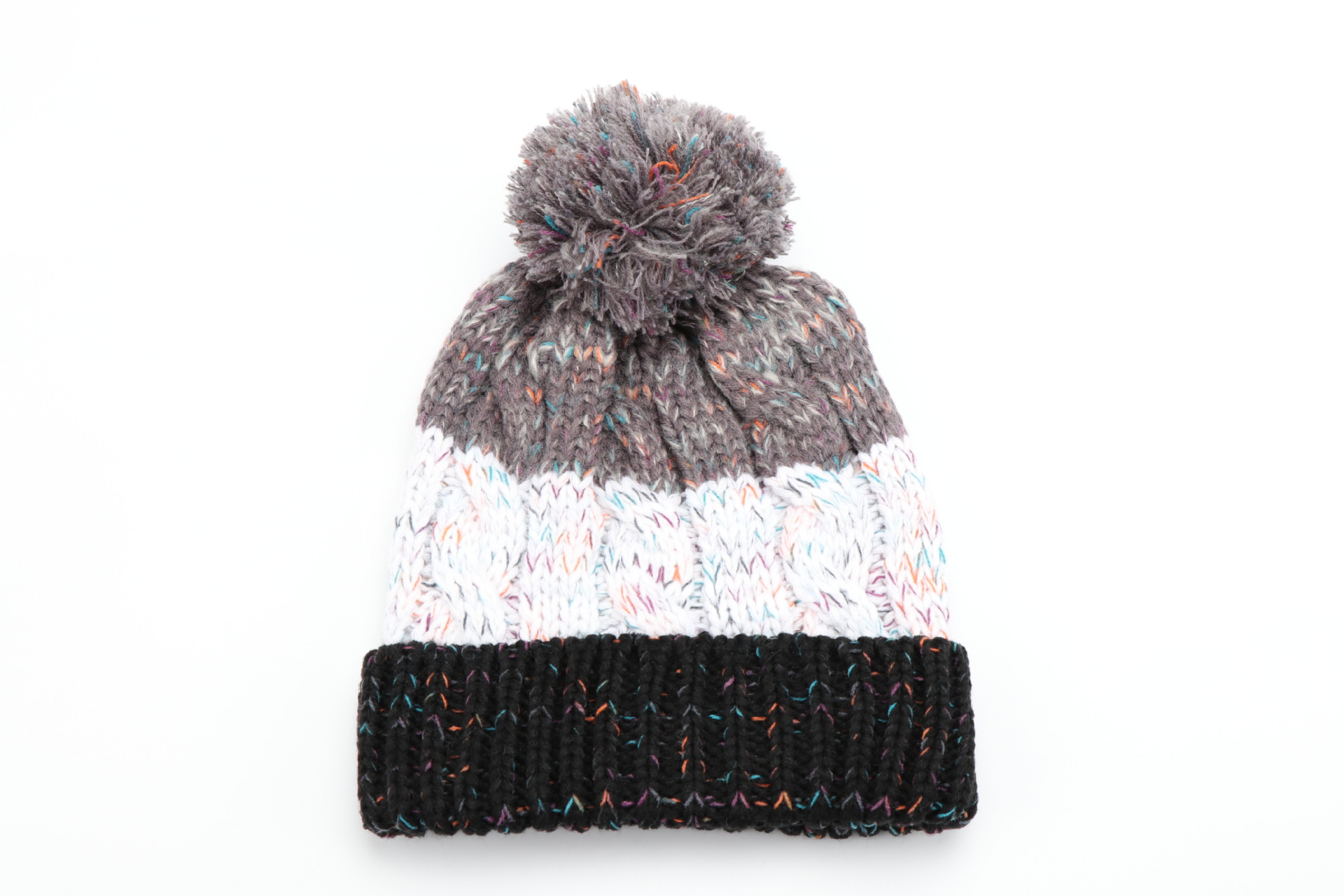
As winter approaches, fashion enthusiasts and style-conscious individuals are already planning their seasonal wardrobes. The knitted hat has emerged as the ultimate winter accessory that seamlessly combines warmth, comfort, and style. This essential piece has evolved far beyond basic functionality, becoming a statement piece that defines personal style while providing crucial protection against harsh winter elements. Understanding the latest trends and styles in knitted hat fashion helps you make informed choices that elevate your winter wardrobe.
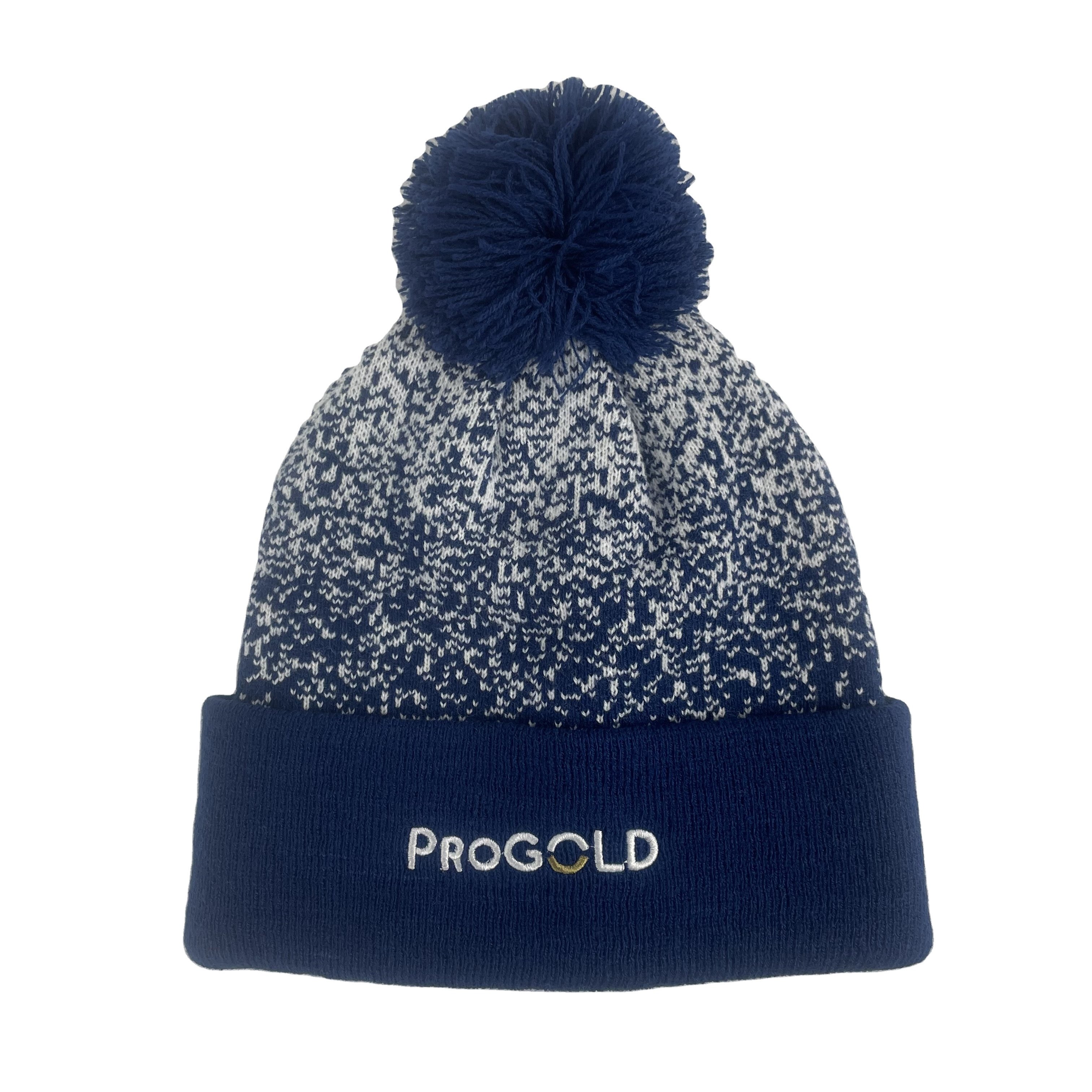
The versatility of the knitted hat makes it suitable for various occasions, from casual outdoor activities to sophisticated urban outings. Modern designs incorporate innovative materials, cutting-edge manufacturing techniques, and contemporary aesthetics that appeal to diverse demographics. Whether you prefer minimalist designs or bold patterns, the current market offers endless possibilities for expressing your unique style through carefully selected headwear.
Essential Knitted Hat Styles for Modern Fashion
Classic Beanie Designs
The classic beanie remains the foundation of knitted hat fashion, offering timeless appeal that transcends seasonal trends. These versatile designs typically feature a simple, close-fitting silhouette that complements various face shapes and hairstyles. The traditional knitted hat construction emphasizes comfort and practicality while maintaining an effortlessly stylish appearance that works equally well for men and women.
Contemporary beanie variations include ribbed textures, cable-knit patterns, and seamless constructions that provide superior fit and durability. The beauty of classic beanie designs lies in their adaptability to different styling approaches, allowing wearers to achieve anything from casual street style to polished professional looks. Quality materials such as merino wool, cashmere blends, and high-performance synthetic fibers enhance both comfort and longevity.
Color selection plays a crucial role in maximizing the versatility of classic beanie styles. Neutral tones like charcoal, navy, and cream provide excellent foundation pieces that coordinate with multiple outfits, while bold colors and patterns allow for more expressive styling choices. The knitted hat construction ensures consistent shape retention and washing durability, making these pieces excellent long-term wardrobe investments.
Slouchy and Oversized Variations
Slouchy knitted hat designs offer a relaxed, bohemian aesthetic that appeals to those seeking comfort without sacrificing style. These generously sized pieces feature extra material that creates an intentionally loose fit, allowing for creative styling options and accommodating various hair volumes and textures. The oversized silhouette provides additional warmth coverage while creating visually interesting proportions that enhance overall outfit composition.
The construction of slouchy styles requires careful attention to weight distribution and fabric selection to maintain the desired drape without becoming cumbersome. Premium yarns with appropriate stretch and recovery properties ensure that the knitted hat maintains its shape while providing the relaxed fit that defines this category. Different slouch levels cater to varying style preferences, from subtle relaxed fits to dramatically oversized statements.
Styling versatility makes slouchy designs particularly appealing for fashion-forward individuals who enjoy experimenting with different looks. These pieces work exceptionally well with layered outfits, casual weekend wear, and artistic or creative professional environments. The forgiving nature of the oversized fit accommodates different head sizes and shapes while providing excellent coverage for various weather conditions.
Material Innovation in Knitted Hat Manufacturing
Advanced Fiber Technology
Modern knitted hat production incorporates advanced fiber technologies that significantly enhance performance characteristics while maintaining aesthetic appeal. Moisture-wicking synthetic blends prevent uncomfortable dampness during active wear, while thermal regulation properties ensure optimal comfort across varying temperature conditions. These technological improvements represent substantial advances over traditional wool-only constructions.
Sustainable fiber options have gained considerable traction among environmentally conscious consumers who value both style and ecological responsibility. Recycled materials, organic cotton blends, and innovative plant-based fibers offer compelling alternatives to conventional options without compromising quality or appearance. The knitted hat industry has embraced these developments, creating products that align with contemporary values while delivering superior performance.
Antimicrobial treatments and odor-resistant properties represent additional technological enhancements that improve the practical aspects of daily wear. These features are particularly valuable for active individuals who require reliable performance from their winter accessories. Advanced manufacturing processes ensure consistent quality and durability across different price points and style categories.
Sustainable Production Methods
Environmental consciousness has become a driving force in knitted hat manufacturing, with brands increasingly adopting sustainable production methods that minimize ecological impact. Water-efficient dyeing processes, renewable energy utilization, and waste reduction initiatives demonstrate industry commitment to responsible manufacturing practices. These efforts result in products that meet both quality standards and environmental expectations.
Ethical sourcing of raw materials ensures that the knitted hat production chain supports fair labor practices and community development. Transparency in supply chain management allows consumers to make informed purchasing decisions based on their personal values and priorities. Many manufacturers now provide detailed information about their sourcing and production processes to support conscious consumerism.
Circular economy principles influence design decisions, with emphasis on durability, repairability, and end-of-life considerations. Products designed for longevity reduce replacement frequency and overall environmental impact while providing better value for consumers. The integration of sustainable practices throughout the production process demonstrates industry evolution toward more responsible business models.
Styling Techniques for Maximum Impact
Color Coordination Strategies
Effective color coordination elevates the knitted hat from simple functionality to sophisticated fashion statement. Understanding color theory principles helps create harmonious combinations that enhance overall outfit appeal while showcasing personal style preferences. Complementary colors create dynamic contrast, while analogous schemes provide subtle sophistication that works well in professional and casual settings.
Seasonal color trends influence knitted hat selections, with autumn and winter palettes typically featuring deeper, richer tones that complement the natural environment and traditional winter clothing. However, strategic use of unexpected colors can create memorable looks that stand out while remaining appropriately seasonal. The key lies in balancing boldness with wearability across multiple outfit combinations.
Pattern mixing requires careful consideration of scale and intensity to avoid overwhelming visual chaos. A patterned knitted hat pairs effectively with solid-colored clothing items, while subtle patterns can complement more complex outfit compositions. Understanding these relationships enables confident style choices that reflect personal aesthetic preferences while maintaining visual coherence.
Layering and Texture Combination
Successful layering incorporates the knitted hat as an integral component of a cohesive winter outfit rather than an afterthought accessory. Texture variation adds visual interest and depth while maintaining practical warmth requirements. Combining smooth and textured surfaces creates appealing contrast that enhances the overall sophistication of winter styling approaches.
The relationship between headwear and outerwear requires careful consideration of proportions and visual weight. Oversized coats pair well with fitted knitted hat styles, while structured jackets complement slouchier designs. Understanding these proportional relationships ensures balanced silhouettes that flatter the wearer while maintaining style integrity across all outfit components.
Accessory coordination extends beyond the knitted hat to include scarves, gloves, and other winter essentials. Creating intentional connections between these elements through color, texture, or pattern repetition establishes visual cohesion that demonstrates style consciousness and attention to detail. These subtle connections elevate the overall impact of winter outfits significantly.
Care and Maintenance for Longevity
Proper Cleaning Techniques
Maintaining the appearance and performance of your knitted hat requires understanding appropriate cleaning methods for different fiber types and constructions. Hand washing remains the safest approach for most knitted items, allowing for gentle treatment that preserves shape and texture while removing accumulated dirt and oils. Using appropriate water temperature and specialized wool detergents prevents damage while ensuring thorough cleaning.
Machine washing requires careful attention to settings and preparation to avoid shrinkage, felting, or structural damage. Placing the knitted hat in a mesh laundry bag provides protection during the wash cycle, while selecting appropriate water temperature and gentle cycles minimizes stress on the fibers. Air drying on a flat surface maintains proper shape while preventing stretching or distortion that can occur with hanging methods.
Spot cleaning addresses minor stains and soiling without subjecting the entire garment to washing stress. Using appropriate cleaning solutions for specific stain types ensures effective removal without causing color fading or fiber damage. Regular maintenance cleaning prevents the buildup of oils and debris that can lead to permanent staining or odor issues.
Storage and Seasonal Care
Proper storage techniques protect knitted hat investments during off-seasons and daily use periods. Clean items before storage to prevent attracting pests and to avoid setting stains that may become permanent over time. Using breathable storage containers or acid-free tissue paper helps maintain shape while allowing air circulation that prevents moisture buildup and associated problems.
Moth prevention becomes crucial for natural fiber knitted hat collections, as these materials attract insects that can cause significant damage. Cedar blocks, lavender sachets, or commercial moth deterrents provide protection without using harsh chemicals that might affect sensitive fibers. Regular inspection during storage periods allows for early detection and treatment of any potential issues.
Rotation of knitted hat collections ensures even wear distribution and extends the functional life of individual pieces. Having multiple options allows for appropriate matching with different outfits while giving items time to recover between wearings. This approach maximizes the value derived from quality investments while maintaining optimal appearance standards.
FAQ
What materials provide the best warmth and comfort in knitted hat construction
Merino wool offers excellent temperature regulation and moisture management properties, making it ideal for varying weather conditions. Cashmere provides luxury softness but requires more careful maintenance, while high-quality synthetic blends offer durability and easy care at accessible price points. The best choice depends on your specific needs, budget, and maintenance preferences, with many modern options combining different fibers for optimal performance characteristics.
How do I determine the correct size for a knitted hat purchase
Most knitted hat designs incorporate stretch properties that accommodate a range of head sizes, typically fitting circumferences between 21-24 inches for adult sizes. Measuring your head circumference just above the ears provides the most accurate sizing reference, though the stretchy nature of knitted construction usually allows for comfortable fit variation. When in doubt, slightly larger sizes generally provide better comfort than items that are too small, especially for thicker hair or preferred looser styling.
Can knitted hat styles work for formal or professional settings
High-quality knitted hat designs in sophisticated colors and refined textures can absolutely complement professional winter wardrobes. Classic beanie styles in premium materials like cashmere or fine wool blends coordinate well with business attire, particularly when matched thoughtfully with coat and scarf selections. The key lies in choosing understated designs with excellent fit and finish rather than overly casual or sporty variations that may not align with professional dress expectations.
How often should I replace my knitted hat collection
Quality knitted hat pieces can last multiple seasons with proper care and maintenance, often providing 3-5 years of regular use before showing significant wear. Replacement timing depends on factors including usage frequency, care practices, and style preferences rather than predetermined schedules. Signs indicating replacement needs include persistent odors, visible fabric deterioration, loss of shape retention, or simply evolving style preferences that make existing pieces feel outdated for your current aesthetic goals.