 EN

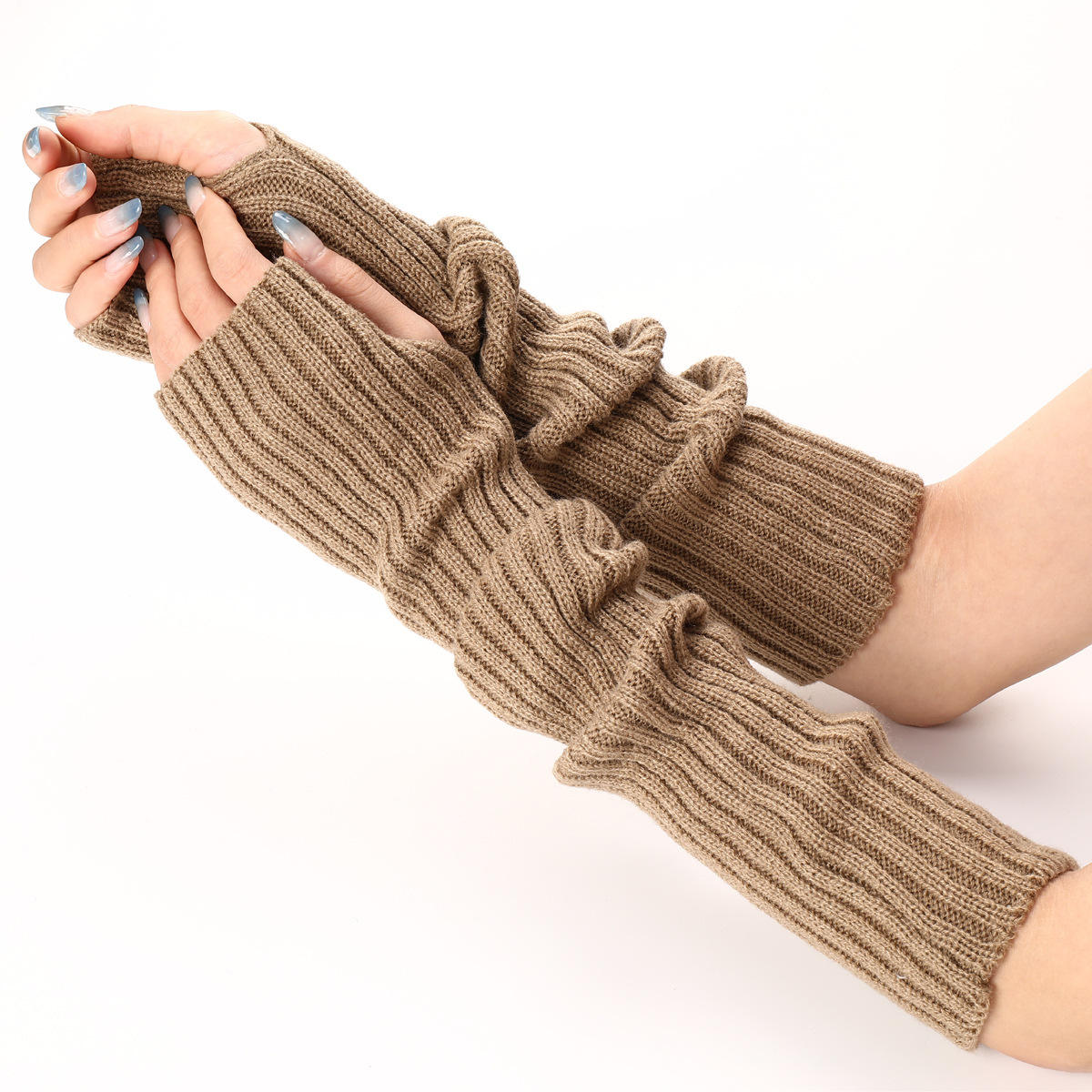
When winter arrives, choosing between gloves and mittens becomes a critical decision for anyone facing cold weather conditions. Both options offer distinct advantages, but understanding their differences helps you select the right hand protection for your specific needs. Gloves provide individual finger compartments that maintain dexterity and allow precise movements, while mittens bundle fingers together in a shared pocket to maximize heat retention. The choice between these two options depends on your activities, climate severity, and personal preferences regarding functionality versus warmth.

The debate between gloves and mittens has long dominated cold weather discussions among outdoor enthusiasts, workers, and casual users alike. While mittens excel at retaining body heat through their larger surface area and shared finger design, gloves offer superior control and tactile feedback for detailed tasks. Understanding how each type performs across different conditions, activities, and environments enables you to make an informed decision that balances warmth, comfort, and functionality throughout the winter season.
Thermal Efficiency and Heat Retention in Gloves and Mittens
How Mittens Maximize Warmth Through Design
Mittens achieve superior heat retention by grouping all fingers together in a single insulated chamber. This design significantly reduces the surface area exposed to cold air, creating an environment where body heat concentrates and circulates more effectively among all fingers simultaneously. The shared pocket in mittens allows fingers to warm each other, a phenomenon that cannot occur when fingers remain separated as they do in gloves. For individuals working in extreme cold environments, mittens consistently outperform gloves in maintaining core hand temperature over extended periods.
The insulation value of mittens depends largely on material selection and lining composition. Premium mittens incorporate thick fleece, thermal linings, and windproof outer shells that create multiple barriers against cold penetration. When you wear quality gloves made from similar materials, they still lose more heat through individual finger surfaces compared to mittens. The efficiency gap widens dramatically in temperatures below freezing, making mittens the superior choice for prolonged exposure to extreme cold.
Temperature Control With Gloves
Gloves maintain adequate warmth through layered construction and advanced insulating materials rather than relying on the mitten design principle. Modern gloves incorporate technologies like synthetic thermal linings, gel-infused padding, and moisture-wicking inner layers that trap body heat effectively. While individual finger compartments in gloves reduce overall heat retention compared to mittens, this trade-off allows fingers to maintain mobility and sensation critical for many activities. Gloves perform admirably in moderate cold conditions and remain the preferred choice for tasks requiring precision and control.
The insulation quality of gloves has improved dramatically over recent decades through material innovation. Thermal gloves now utilize aerogel, down fill, and synthetic insulation that approaches the warmth level of mittens while preserving dexterity. Individuals seeking cold weather protection without sacrificing hand function frequently choose gloves designed with these advanced materials. The temperature range where gloves maintain adequate warmth has expanded, making them viable for many situations where mittens were once mandatory.
Functionality and Dexterity Advantages of Gloves
Precision Tasks in Cold Weather
Gloves enable detailed work and precise manipulation that mittens simply cannot accommodate effectively. When fingers remain separated with individual compartments, touch sensitivity increases dramatically, allowing users to handle small objects, operate buttons, and perform intricate tasks. Workers in construction, manufacturing, emergency services, and outdoor trades depend on gloves to maintain productivity during winter months. Gloves make possible activities that mittens would render impractical or dangerous, such as writing, typing, handling tools, or using equipment controls.
The tactile feedback provided by gloves comes from thinner material covering fingertips compared to mittens, which typically feature thicker padding across the entire hand. This design characteristic means that gloves allow wearers to feel textures, perceive temperature changes, and maintain spatial awareness in ways that mittens obstruct. Anyone performing precision work outdoors during winter months must prioritize gloves over mittens to maintain safety and efficiency. The trade-off between warmth and functionality clearly favors gloves for task-oriented activities in cold conditions.
Mobility and Daily Activity Compatibility
Daily winter activities like commuting, shopping, and recreational outdoor pursuits benefit significantly from the enhanced mobility that gloves provide. Users can operate smartphones, handle wallets, tie shoelaces, and manage buttons without removing their hand protection. Mittens, by contrast, require removal whenever detailed manipulation becomes necessary, repeatedly exposing skin to cold air and reducing overall hand temperature. For individuals with active lifestyles during winter, gloves represent the practical choice that maintains both protection and functionality throughout the day.
The convenience factor associated with gloves cannot be overstated for modern users managing multiple devices and activities simultaneously. Athletes, outdoor enthusiasts, and professionals appreciate how gloves allow them to transition seamlessly between tasks without constantly adding and removing their hand protection. Winter recreation including skiing, snowboarding, hiking, and outdoor sports all benefit from the dexterity that gloves maintain. This functional advantage makes gloves indispensable for anyone maintaining an active routine throughout the winter season.
Choosing Between Gloves and Mittens Based on Your Needs
Environmental Conditions and Temperature Ranges
The decision between gloves and mittens fundamentally depends on the temperature range where you spend most of your winter time. Temperatures above twenty degrees Fahrenheit generally allow gloves to provide adequate protection, especially when constructed from quality insulating materials. As temperatures drop significantly below this threshold, mittens become the more practical choice for individuals facing extended exposure to cold weather. Assessing your typical winter environment helps determine which option delivers the best protection and comfort combination for your lifestyle.
Climate severity varies dramatically by geographic location, altitude, and seasonal timing, making environmental assessment crucial before purchasing winter hand protection. Regions experiencing mild winters with temperatures fluctuating around freezing typically see gloves as the preferred solution since they accommodate varied activities throughout the day. Areas with consistent extreme cold conditions, by contrast, recommend mittens as the standard choice for anyone working or spending extended time outdoors. Understanding your specific climate patterns enables you to select gloves or mittens that align with realistic usage scenarios throughout the winter season.
Activity Type and Professional Requirements
Professional demands frequently dictate whether gloves provide sufficient protection or whether mittens become necessary for safe task execution. Construction workers, outdoor laborers, and emergency personnel often find that gloves enable them to perform their jobs effectively while providing reasonable cold weather protection. Conversely, individuals in stationary cold environments like ski patrollers, outdoor security personnel, and arctic researchers may benefit more from mittens' superior heat retention capabilities. Matching hand protection to your primary activities ensures you maintain both safety and efficiency throughout the winter season.
Recreational activities also influence the gloves versus mittens decision significantly. Skiing and snowboarding enthusiasts frequently prefer gloves because they allow hand movements necessary for balance and equipment control, though many carry mittens as backup for breaks and stationary periods. Individuals enjoying leisurely outdoor activities like winter hiking or snow photography typically prioritize gloves to maintain dexterity for camera operation and trail navigation. Identifying your primary winter activities helps clarify which option aligns better with your actual usage patterns and performance requirements.
FAQ
Can gloves provide the same warmth as mittens in extreme cold?
High-quality gloves constructed with advanced insulation materials can approach the warmth of mittens in moderately cold conditions, but mittens retain superior heat retention in extreme cold due to their design. The shared finger pocket in mittens allows body heat to concentrate more efficiently than in any glove design. For extreme cold exposure lasting several hours, mittens consistently outperform gloves regardless of material quality. Individuals facing arctic conditions should prioritize mittens when warmth becomes the primary concern.
Are gloves suitable for outdoor work throughout winter?
Gloves work well for outdoor work in moderate winter conditions when task requirements demand dexterity and precision that mittens cannot provide. Thermal gloves with quality insulation maintain sufficient hand protection for most outdoor work environments where temperatures remain above ten degrees Fahrenheit. Workers facing extreme cold or stationary conditions may benefit from switching to mittens during breaks or relocating to warmer gloves specifically designed for cold climates. Choosing the right gloves or mittens depends on balancing your specific job requirements against temperature conditions in your work environment.
Should I carry both gloves and mittens during winter?
Many experienced winter users maintain both gloves and mittens to adapt their hand protection to changing conditions and activity requirements throughout the day. Gloves remain useful for precise tasks and active movement, while mittens provide superior warmth during stationary periods or when venturing into extreme cold. This hybrid approach maximizes comfort and functionality across diverse winter scenarios without requiring constant adjustment. Carrying backup options allows you to optimize hand protection based on real-time conditions rather than making a single choice that compromises either warmth or dexterity.