 EN

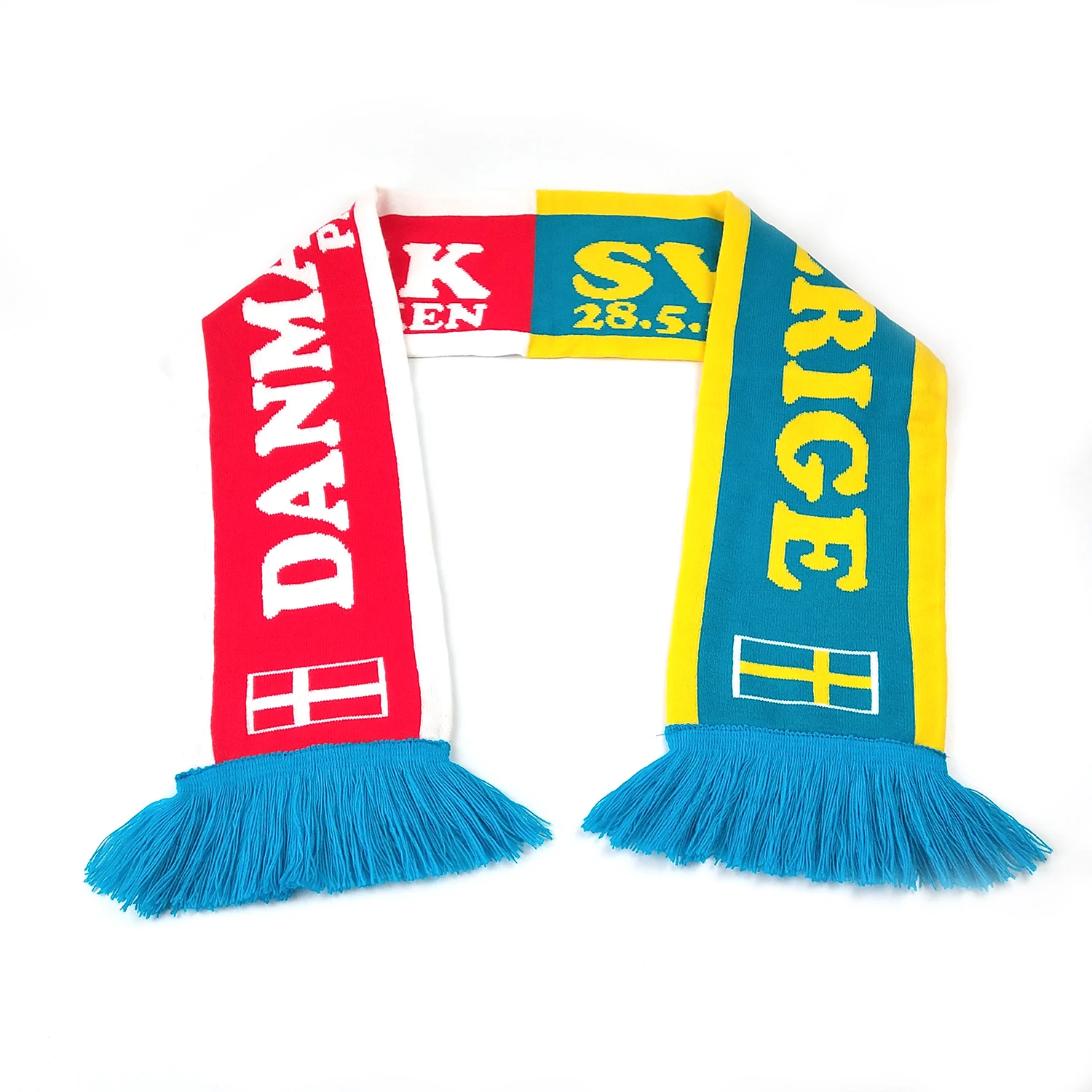
A quality knitted scarf is an investment in both warmth and style, yet many people don't realize that proper care directly determines how long their knitted scarf will maintain its appearance and functionality. Whether your knitted scarf is made from merino wool, cashmere, acrylic, or cotton blend, the maintenance routine you follow will either extend its lifespan significantly or accelerate wear and degradation. Understanding the fundamentals of knitted scarf care ensures that your favorite accessory remains soft, vibrant, and structurally sound through countless seasons of use.
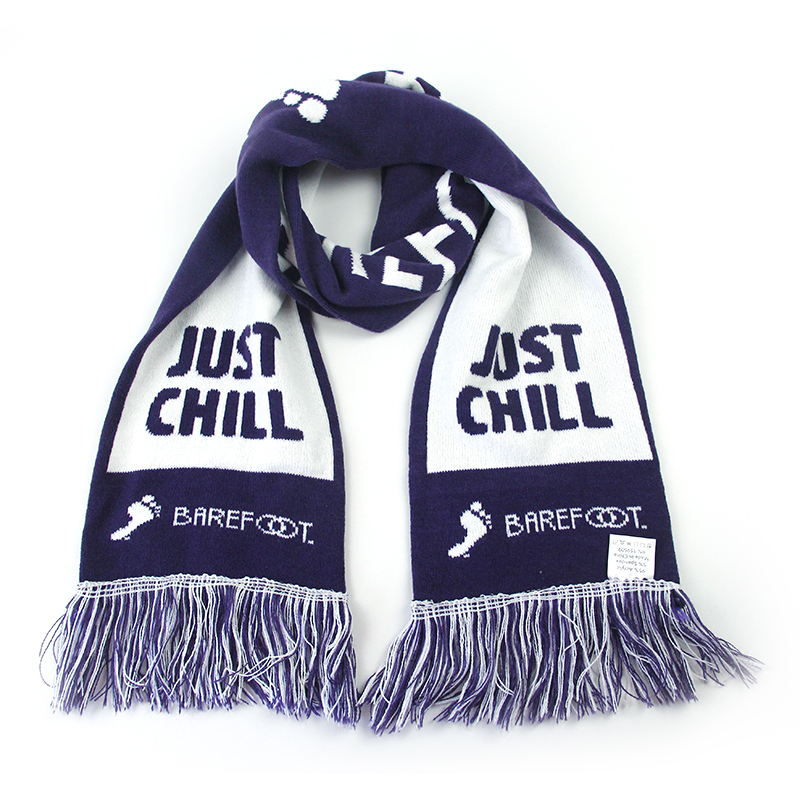
The difference between a knitted scarf that lasts five years and one that lasts fifteen often comes down to basic care habits established early. Many people wash their knitted scarf too frequently, use water that is too hot, or dry it improperly, all of which can cause shrinkage, pilling, color fading, and fiber weakening. By learning and implementing evidence-based care techniques specific to your knitted scarf material, you can preserve its softness, shape, and aesthetic appeal while also protecting your investment.
Understanding Your Knitted Scarf Material and Fiber Type
Identifying What Your Knitted Scarf Is Made From
Before you begin any cleaning or maintenance routine, you must first understand the fiber composition of your knitted scarf. The care instructions for a wool knitted scarf differ significantly from those for a synthetic knitted scarf, and a luxury cashmere knitted scarf requires different handling than a durable acrylic knitted scarf. Check the care label attached to your knitted scarf; it will indicate the fiber content and provide manufacturer guidance on washing temperature, drying method, and any special treatments to avoid.
Fiber-Specific Care Considerations for Your Knitted Scarf
Natural fibers like wool in a knitted scarf are more prone to felting if exposed to heat and agitation, so a knitted scarf made from wool benefits from cold-water hand washing. A cotton knitted scarf can typically tolerate slightly warmer water and is less susceptible to shrinkage but may require different detergent than a knitted scarf made from delicate fibers. Synthetic materials in a knitted scarf offer durability and easier care, but a knitted scarf made from acrylic can pill more easily if washed with friction or dried in direct heat. Understanding these distinctions ensures that your knitted scarf receives appropriate treatment based on its specific material properties.
Proper Washing Techniques to Protect Your Knitted Scarf
Hand Washing as the Gold Standard for Knitted Scarf Care
Hand washing remains the safest and most effective method for cleaning a knitted scarf, particularly for premium materials. Fill a basin with cool water between 60 and 70 degrees Fahrenheit and add a small amount of gentle detergent specifically designed for delicate fibers; never use regular laundry detergent on a knitted scarf, as it can strip natural oils and damage fibers. Submerge your knitted scarf completely and allow it to soak for five to fifteen minutes, gently pressing the soapy water through the fabric rather than rubbing, twisting, or wringing your knitted scarf.
Machine Washing Considerations for Your Knitted Scarf
If your knitted scarf care label permits machine washing, use a delicate or hand-wash cycle with cold water and place your knitted scarf inside a mesh laundry bag to minimize agitation. Machine washing a knitted scarf is faster but carries higher risk of damage, so reserve this method only for knitted scarves explicitly labeled as machine washable. After the cycle completes, remove your knitted scarf promptly to prevent mildew and color bleeding, then proceed immediately to the drying phase of your knitted scarf care routine.
Rinsing Your Knitted Scarf Thoroughly
Rinse your knitted scarf multiple times in fresh, cool water until no soap residue remains; soap trapped in the fibers will attract dirt and cause your knitted scarf to feel stiff and uncomfortable. For each rinse of your knitted scarf, use the same gentle pressing motion you used during washing, never squeezing or wringing the fabric. After the final rinse, gently press your knitted scarf against the basin to remove excess water, then lay it flat on a clean towel to prepare for drying.
Drying and Storage Methods That Preserve Your Knitted Scarf
Air Drying Your Knitted Scarf Flat to Maintain Shape
Air drying is essential for knitted scarf longevity; never use a machine dryer or hang your knitted scarf on a clothesline, as heat and tension will distort its shape and damage fibers. Lay your damp knitted scarf flat on a clean, dry towel away from direct sunlight and heat sources like radiators or air vents; position your knitted scarf so it dries evenly without stretching. If your knitted scarf appears to be stretching as it dries, gently reshape it by hand and allow several hours for complete drying of your knitted scarf in a well-ventilated area.
Storage and Seasonal Care for Your Knitted Scarf
Once your knitted scarf is completely dry, store it in a cool, dry place away from direct sunlight to prevent color fading and fiber deterioration. Fold your knitted scarf loosely rather than hanging it; hanging causes unnecessary tension and can stretch or distort a knitted scarf over time. Cedar blocks or sachets can help protect your knitted scarf from moths and pests, particularly if the knitted scarf contains natural fibers; avoid mothballs, which contain chemicals that can discolor and damage your knitted scarf.
Managing Pilling and Regular Maintenance of Your Knitted Scarf
Pilling occurs naturally on a knitted scarf, especially with frequent wear, and while it doesn't indicate poor quality, removing pills maintains appearance. Use a fabric shaver or soft brush designed specifically for knitwear to gently remove pills from your knitted scarf without damaging underlying fibers; never pull pills off by hand, as this can create holes in your knitted scarf. Brush your knitted scarf gently every few weeks to remove surface dust and help maintain its appearance between washes, and store it with care to minimize future pilling.
FAQ
How often should I wash my knitted scarf?
Most knitted scarves need washing only two to four times per season unless visibly soiled or exposed to heavy perspiration. Frequent washing stresses fibers and accelerates wear, so minimize wash frequency by airing out your knitted scarf between uses and spot-cleaning minor stains immediately rather than washing the entire knitted scarf. Over-washing is one of the most common mistakes people make with knitted scarf care, so restraint in washing frequency actually extends the lifespan of your knitted scarf dramatically.
Can I use fabric softener on my knitted scarf?
No; fabric softener leaves residue on your knitted scarf that traps dirt, reduces breathability, and can degrade natural fibers over time. Instead, use dedicated delicate-fiber shampoo or wool wash specifically formulated for your knitted scarf material; these products clean gently without leaving harmful buildup. If your knitted scarf feels stiff after washing, you can add a small amount of white vinegar to the final rinse water when caring for your knitted scarf, which helps restore softness without chemicals.
What should I do if my knitted scarf gets a stain?
Treat stains on your knitted scarf immediately by blotting gently with a damp cloth rather than rubbing, which pushes the stain deeper into fibers; never scrub a knitted scarf aggressively. For your knitted scarf, use cold water initially, and for specific stains, consider consulting a professional dry cleaner experienced with knitted items before attempting home treatment of your knitted scarf. Prevention through careful wear and immediate blotting remains far more effective than attempting complex stain removal on your knitted scarf after the stain has set.