 EN

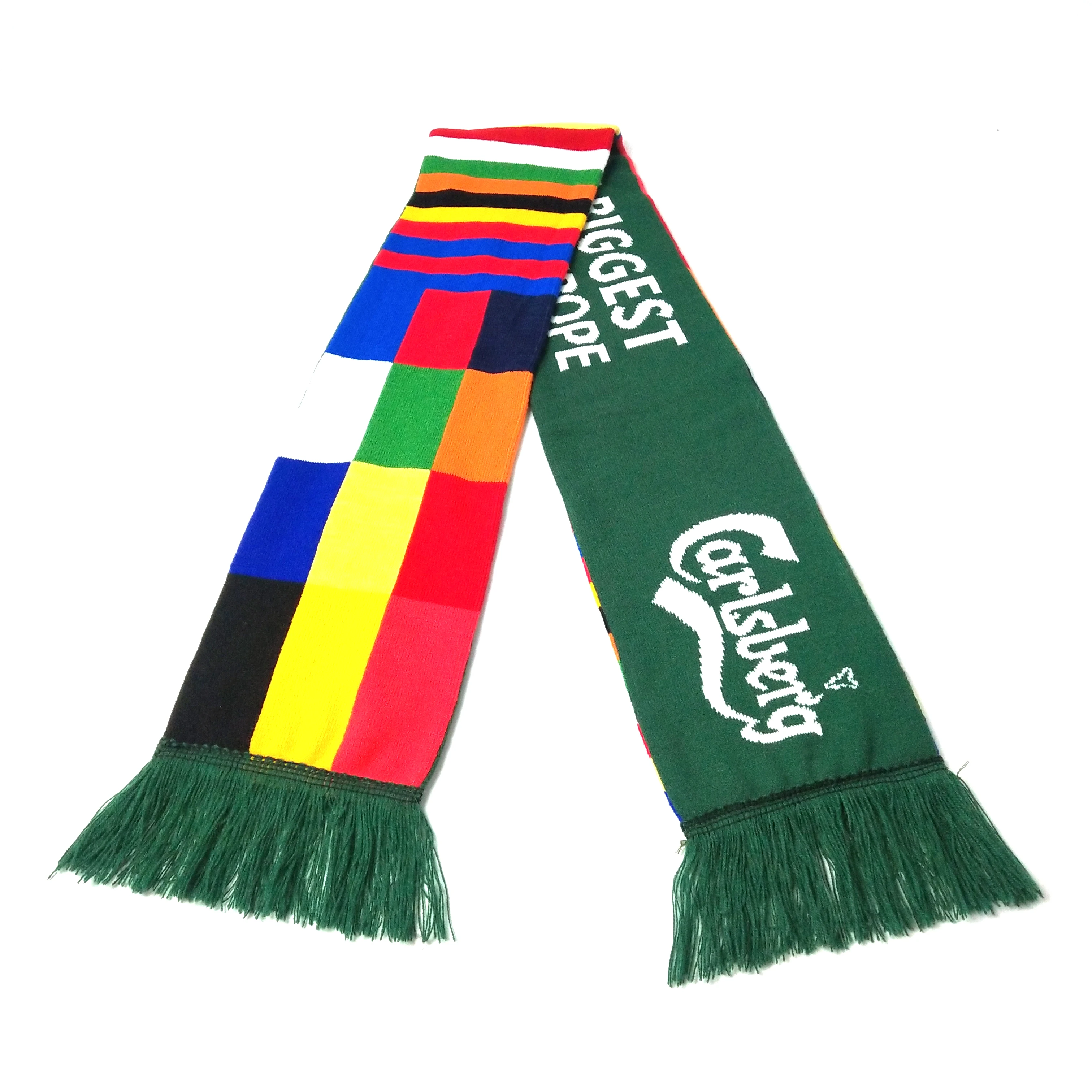
Choosing between a knitted scarf and a woven scarf involves understanding their fundamental differences in construction, comfort, and aesthetic appeal. A knitted scarf is created using interlocking loops of yarn, resulting in a fabric that stretches, breathes, and provides exceptional flexibility. Woven scarves, by contrast, are produced by interlacing horizontal and vertical threads in a tight cross-hatch pattern, creating a denser, more structured textile. Both styles have earned their place in fashion and function, yet they serve different needs depending on your lifestyle, climate, and personal preference.

Understanding the distinctions between these two scarf types is essential for making an informed purchase decision. A knitted scarf offers unique benefits that appeal to individuals seeking comfort, warmth, and casual style, while woven scarves attract those who prioritize durability, formal presentation, and structured elegance. This guide explores the key characteristics, performance factors, and practical considerations that differentiate a knitted scarf from its woven counterpart, helping you identify which option aligns best with your specific requirements.
Construction and Material Properties
How Knitted Scarves Are Made
A knitted scarf is produced through a looping technique where continuous strands of yarn create interconnected stitches. This method allows a knitted scarf to possess inherent elasticity and drape beautifully around the neck and shoulders. The open structure of a knitted scarf traps warm air while remaining breathable, making it ideal for layering in transitional seasons. Knit patterns range from simple stockinette stitch to complex cable knits and Fair Isle designs, offering visual variety while maintaining the core comfort advantage that a knitted scarf provides.
Woven Scarf Construction
Woven scarves are manufactured by threading yarn both horizontally and vertically on a loom, creating a compact, densely-packed fabric. This construction method produces a scarf with minimal stretch and maximum structural integrity. Unlike a knitted scarf, a woven design does not shift or sag with wear, maintaining its original silhouette indefinitely. Woven scarves often feature sophisticated patterns like herringbone, twill, or jacquard, lending themselves to professional and formal settings where a polished appearance is essential.
Comfort and Wearability Differences
Why Choose a Knitted Scarf for Everyday Comfort
A knitted scarf excels in comfort because its elastic nature conforms to your body and neck without restriction. The flexibility of a knitted scarf allows it to adjust as you move, preventing the uncomfortable tightness sometimes associated with rigid woven fabrics. Many people prefer a knitted scarf for all-day wear because the soft yarn fibers and forgiving stretch reduce skin irritation and chafing. Furthermore, a knitted scarf can be wrapped multiple ways—looped once for casual style, wound twice for extra warmth, or draped loosely for relaxed elegance—without losing its shape permanently.
Woven Scarf Benefits for Structured Style
Woven scarves offer distinct advantages for professional and formal environments where structured presentation matters. A woven scarf maintains crisp edges and precise folds, creating a polished, intentional appearance that complements business attire and sophisticated ensembles. The stability of a woven scarf makes it easier to style consistently; knots and drapes remain exactly as you arrange them. For individuals who prioritize durability and don't want fabric movement or settling throughout the day, a woven scarf delivers uncompromising reliability and aesthetic control.
Warmth, Breathability, and Season Suitability
Temperature Regulation in a Knitted Scarf
A knitted scarf naturally regulates temperature better than dense woven alternatives because its open stitch structure allows air circulation while trapping body heat near the skin. This makes a knitted scarf particularly effective during fall and spring, when temperatures fluctuate and layering flexibility is essential. Merino wool knitted scarves and cotton knitted options offer exceptional moisture-wicking properties, keeping you dry during active movement. A knitted scarf crafted from chunky yarns provides surprising warmth despite appearing less substantial than a woven equivalent, making it versatile across multiple seasons.
Winter Performance and Seasonal Fit
For harsh winter conditions, a knitted scarf made from dense yarns or specialty blends often outperforms lighter woven options by creating micro-pockets of insulating air. However, some woven scarves—particularly those made from dense wool or silk blends—offer superior wind resistance, a critical factor in extremely cold climates. A woven scarf's lack of stretch means it won't compress or thin out with wear, maintaining consistent insulation properties throughout years of use. Your choice between a knitted scarf and woven depends partly on your local climate; transitional seasons favor a knitted scarf, while extreme cold may require the protective density of premium woven construction.
Care, Maintenance, and Longevity
Cleaning and Care Requirements
A knitted scarf typically requires gentle washing or dry cleaning, as vigorous agitation can cause pilling or shape distortion. Many knitted scarves benefit from delicate hand-washing in cool water with specialized wool detergent, followed by flat drying to preserve structure. A woven scarf often tolerates more robust cleaning methods and may even withstand machine washing at low temperatures, depending on fabric content. Professional dry cleaning is recommended for expensive or intricately patterned versions of either style to ensure longevity and maintain appearance.
Durability and Expected Lifespan
A knitted scarf may experience pilling during the first few seasons of wear, especially with lower-quality yarns, though this typically stabilizes over time. High-quality merino or alpaca knitted scarves develop character and softness with age, actually improving in comfort. Woven scarves generally resist pilling and maintain visual appearance indefinitely but may gradually fray at edges or show wear at stress points like collar-contact areas. Both a knitted scarf and a woven option can last decades with proper care; the choice depends on whether you value the evolving comfort of knit or the consistent stability of weave construction.
Style, Aesthetics, and Personal Expression
Fashion Versatility of Knitted Styles
A knitted scarf offers tremendous visual and stylistic variety through different yarn textures, colors, and stitch patterns. Cable-knit designs provide visual interest and dimension, while chunky ribbed knits deliver contemporary appeal. A knitted scarf can transition from casual weekend wear to relaxed professional settings, making it a practical investment for versatile wardrobes. The soft, approachable aesthetic of a knitted scarf pairs naturally with sweaters, denim, and athletic wear, appealing to individuals who prioritize comfort-driven fashion.
Formal and Professional Occasions
Woven scarves dominate formal occasions, luxury settings, and professional environments where refinement is expected. Silk or silk-blend woven scarves add sophistication to tailored blazers and business dresses, while herringbone or twill patterns convey craftsmanship and attention to detail. A knitted scarf, while attractive, may read as too casual in strictly formal contexts where structured elegance defines appropriateness. Choosing between a knitted scarf and woven ultimately reflects your lifestyle balance; if you navigate both casual and formal spheres, owning both styles ensures preparedness across all occasions.
FAQ
Is a knitted scarf warmer than a woven scarf?
A knitted scarf is generally warmer for transitional seasons due to its breathable yet insulating structure, while dense woven scarves excel in extreme cold because they resist wind penetration. The warmth difference depends on yarn weight, fiber content, and construction density rather than knit versus weave alone. For most climates, a knitted scarf provides sufficient warmth and superior comfort, making it the popular choice for everyday wear.
Can you machine wash a knitted scarf?
Most knitted scarves require gentle hand-washing or professional dry cleaning to prevent damage, though some modern blends tolerate delicate machine cycles. Always check care labels before washing; a knitted scarf made from synthetic acrylic may handle machine washing better than wool or merino versions. Hand-washing remains the safest method for preserving the appearance and lifespan of quality knitted scarves.
Which lasts longer, a knitted scarf or a woven scarf?
Both styles can last for decades with appropriate care, though they age differently. A knitted scarf may develop pilling initially but becomes softer and more comfortable with time, while a woven scarf maintains consistent appearance throughout its lifespan. Your longevity experience depends on yarn quality, construction craftsmanship, and how frequently you wear and clean each piece. High-quality examples of either style represent worthwhile long-term investments.