 EN

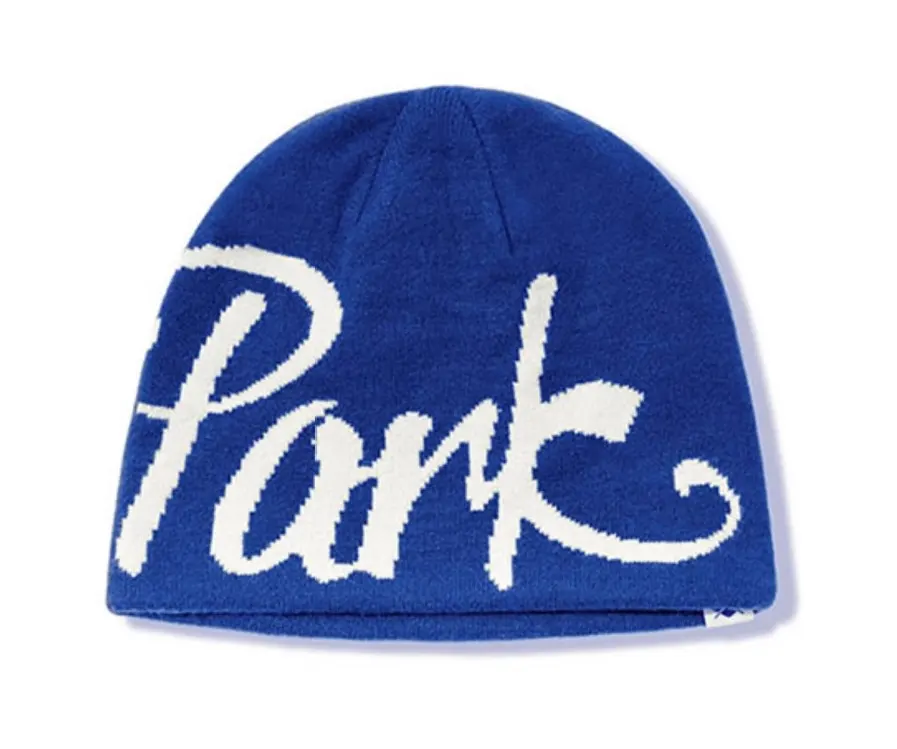
When winter arrives, choosing the right headwear becomes essential for both comfort and style. The decision between a beanie and a winter hat often comes down to personal preference, climate conditions, and intended use. Understanding the distinct characteristics of each option helps you make an informed choice that aligns with your lifestyle and environmental needs. A beanie offers a classic, versatile solution for cold weather, while a winter hat encompasses a broader category of protective headwear styles. Both serve important roles in winter preparation, and knowing when to reach for each type ensures you stay warm, dry, and confident throughout the season.
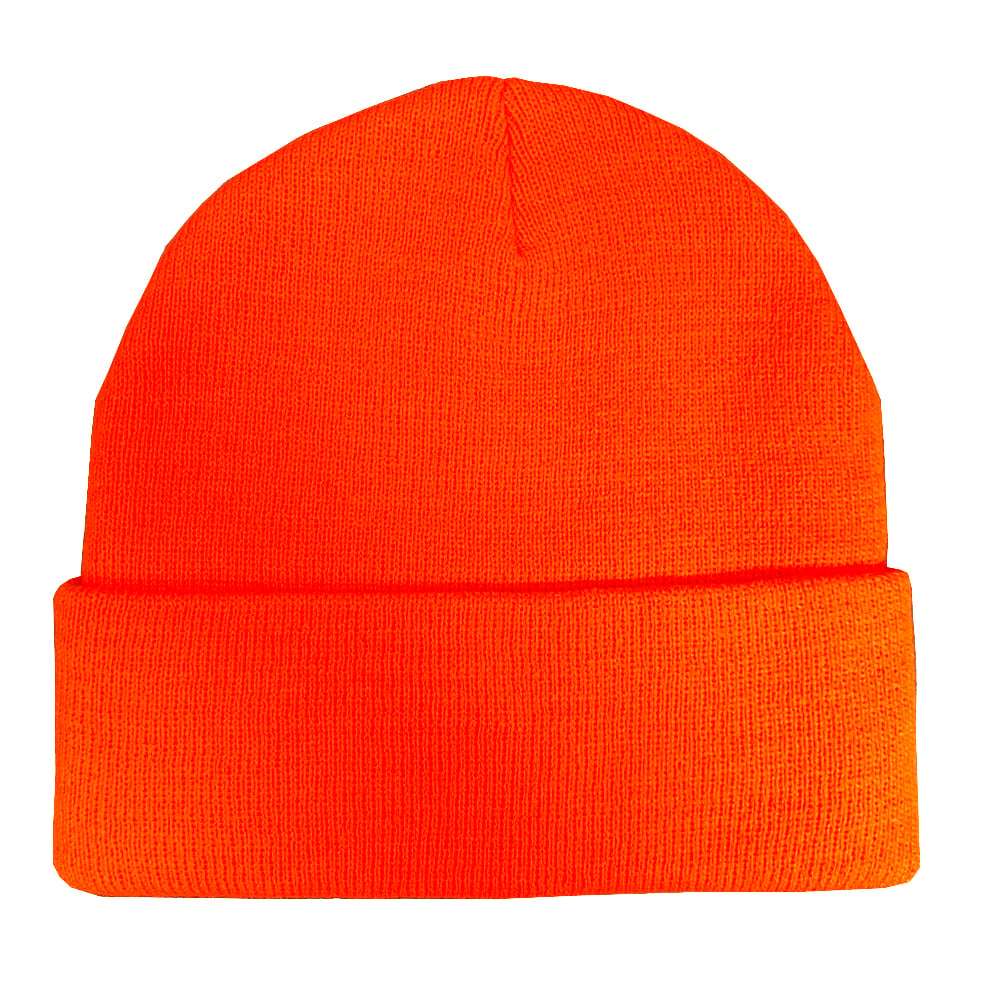
The choice between a beanie and a winter hat ultimately depends on your specific activities, local climate, and aesthetic preferences. Both garments provide essential protection against cold temperatures, wind, and moisture. However, their design differences, coverage levels, and functional features create distinct advantages for different situations. Learning how these two headwear options compare helps you build a winter wardrobe that meets your actual needs rather than relying on assumptions.
Understanding Beanie Design and Functionality
What Makes a Beanie Unique
A beanie is a close-fitting knitted cap that covers the head and typically extends down to the ears and neck area. The beanie design emphasizes simplicity and versatility, making it a staple in casual and athletic winter wear. Unlike some winter hat styles that feature brims or decorative elements, a beanie generally maintains a snug, minimalist appearance. The popularity of the beanie stems from its ability to transition seamlessly between outdoor activities, urban environments, and casual indoor spaces. A beanie can be worn slightly higher on the head for a relaxed look or pulled down for maximum coverage during extreme cold. This adaptability makes the beanie a practical choice for individuals seeking a single headwear option for multiple occasions.
Beanie Materials and Construction
Most beanie designs use knitted fabrics such as wool, acrylic, or cotton blends that provide insulation and moisture-wicking properties. Quality beanie construction involves tight knit patterns that trap warm air close to the head while allowing minimal drafts. The thickness of a beanie can vary significantly, with thinner options suitable for moderate cold and thicker variants designed for extreme temperatures. A beanie may feature fleece lining for added warmth, reflective elements for visibility, or stretch materials for comfortable all-day wear. The durability of a beanie depends on the quality of materials used and the construction methods employed during manufacturing. Premium beanies often include reinforced seams and fade-resistant dyes that maintain appearance through repeated washing and wearing.
Winter Hat Varieties and Their Applications
Different Winter Hat Styles
Winter hats encompass a wide range of styles beyond the traditional beanie, including trapper hats, aviator hats, snow hats, and brimmed winter caps. Each winter hat style offers distinct coverage patterns and functional advantages depending on climate intensity and activity type. Trapper hats provide extended ear coverage and neck protection through their distinctive ear flaps and longer back panel. Aviator hats combine a beanie's warmth with face protection through attached elements that shield the forehead and chin area. Snow hats often feature waterproof materials and insulated construction specifically engineered for harsh winter conditions and snow sports. The variety within winter hat options allows individuals to select specific styles matched to their precise environmental and activity requirements.
Coverage and Protection Levels
A winter hat generally provides more comprehensive head and face coverage than a standard beanie, offering superior protection in extreme cold. Many winter hat designs include chin straps, ear protection, or integrated face shields that prevent wind and snow exposure. The extended protection of certain winter hat styles proves particularly valuable for outdoor workers, winter sports enthusiasts, and individuals in harsh climates. Coverage differences between a beanie and winter hat become significant when temperatures drop below zero or wind chill factors intensify. Winter hat styles with wider brims also provide protection from falling snow and ice, reducing facial exposure compared to the minimal brim design of most beanies. Choosing based on coverage needs ensures you have appropriate protection matched to your specific environmental conditions.
Comparing Beanie and Winter Hat for Your Lifestyle
Activity-Based Selection
Your intended activities should heavily influence whether a beanie or winter hat better serves your needs. Urban commuters and casual outdoor activities often align well with beanie functionality, offering warmth without excessive bulk or restrictive design. Winter sports enthusiasts, mountaineers, and outdoor workers typically benefit from specialized winter hat designs that provide enhanced protection and extended coverage. A beanie suits gym visits, quick errands, and city environments where style versatility matters alongside warmth. Winter hat options excel for prolonged outdoor exposure, high-altitude activities, and professional work environments where safety and comprehensive coverage take priority. Matching your headwear choice to your actual winter activities ensures you invest in practical protection rather than unnecessary features.
Climate and Seasonal Conditions
Mild winter climates may provide sufficient warmth with a standard beanie, while harsh conditions typically demand a winter hat's superior insulation and coverage. Temperature ranges, wind patterns, and precipitation types all influence whether a beanie or winter hat better serves regional needs. Areas experiencing severe wind chill or frequent snow require winter hat styles with face protection and insulated construction. A beanie remains adequate for climates where temperatures rarely drop below freezing, especially in urban areas with protected pedestrian environments. Winter hat investment becomes essential in regions where outdoor exposure is frequent and conditions include extreme cold, heavy snow, or constant wind. Understanding your local climate patterns helps determine whether a beanie provides adequate protection or whether winter hat functionality becomes necessary for safety and comfort.
Style and Fashion Considerations
Fashion versatility represents a significant advantage of the beanie, which pairs easily with various outfits and personal styles. A beanie's clean, streamlined appearance works across casual, athletic, and semi-professional contexts without appearing overly specialized or costume-like. Winter hat styles with prominent features like ear flaps or heavy insulation sometimes read as highly functional at the potential expense of fashion-forward aesthetics. However, modern winter hat designs increasingly incorporate style elements that blend protection with contemporary fashion sensibilities. Your personal style preferences and the contexts where you'll wear winter headwear should factor into your selection alongside purely functional considerations. Many individuals maintain both a beanie and a winter hat, choosing based on specific occasions, climate forecasts, and activity plans for each outing.
FAQ
Can a beanie provide adequate warmth in extremely cold temperatures?
A beanie can offer adequate warmth in cold conditions if constructed from quality insulated materials like wool or thick acrylic blends with fleece lining. However, in extreme cold or harsh wind conditions, a beanie may not provide the level of face and ear protection that specialized winter hat designs offer. For consistently extreme temperatures below zero Fahrenheit, winter hats with extended coverage and integrated protection features typically deliver superior comfort and safety. Layering techniques, including wearing a balaclava under a beanie, can enhance protection in severe conditions.
What are the main differences between a beanie and a winter hat?
A beanie is a fitted knit cap that covers the head and ears with minimal design variation, while a winter hat represents a broader category including styles with brims, ear flaps, chin straps, and specialized weather protection. A beanie prioritizes simplicity and versatility across multiple contexts, whereas winter hat designs often emphasize maximum coverage and functional features for specific challenging environments. The terminology sometimes overlaps, as some people use the terms interchangeably, but the functional distinctions relate primarily to coverage scope and specialized protection features.
Should I choose a beanie or winter hat for daily commuting?
For daily commuting in typical winter conditions, a beanie generally serves well due to its style versatility, compact design, and ease of removal indoors. A beanie pairs easily with professional and casual attire, making it practical for commuters transitioning between outdoor exposure and climate-controlled environments. If your commute involves extended outdoor walking or your region experiences severe winter conditions, consider winter hat styles that provide additional protection. Ultimately, choosing between a beanie and winter hat for commuting depends on your local climate severity, commute duration, and personal style preferences.