 EN
EN
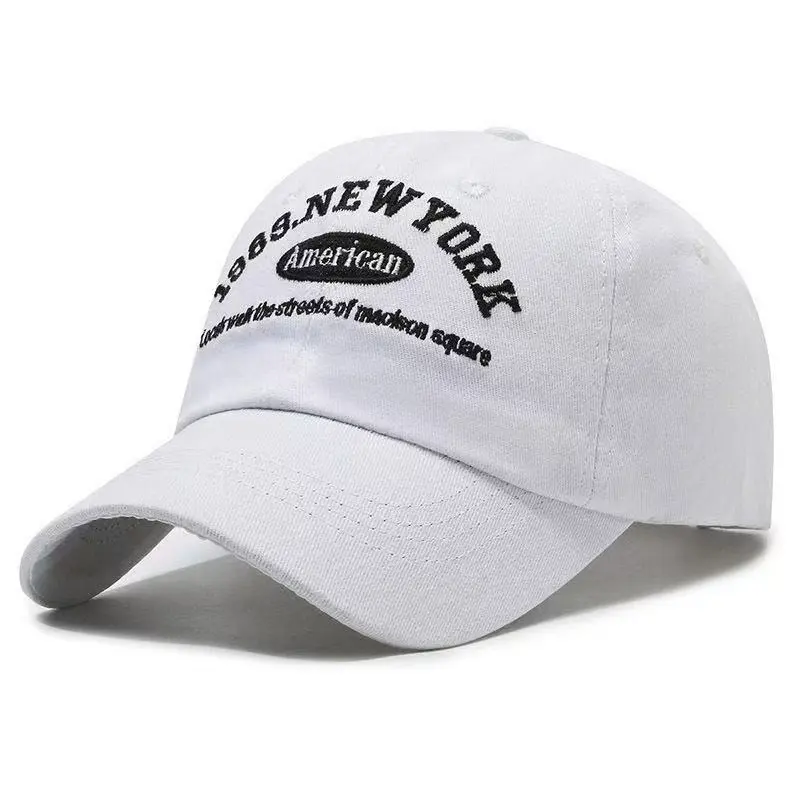
Large-scale branding projects require manufacturing partners who can deliver consistent quality, meet tight deadlines, and handle complex customization requirements. When businesses need promotional merchandise or branded apparel for major campaigns, finding the right baseball cap factory becomes crucial for project success. The complexity of coordinating thousands or even millions of units while maintaining brand standards demands specialized expertise and robust manufacturing capabilities.
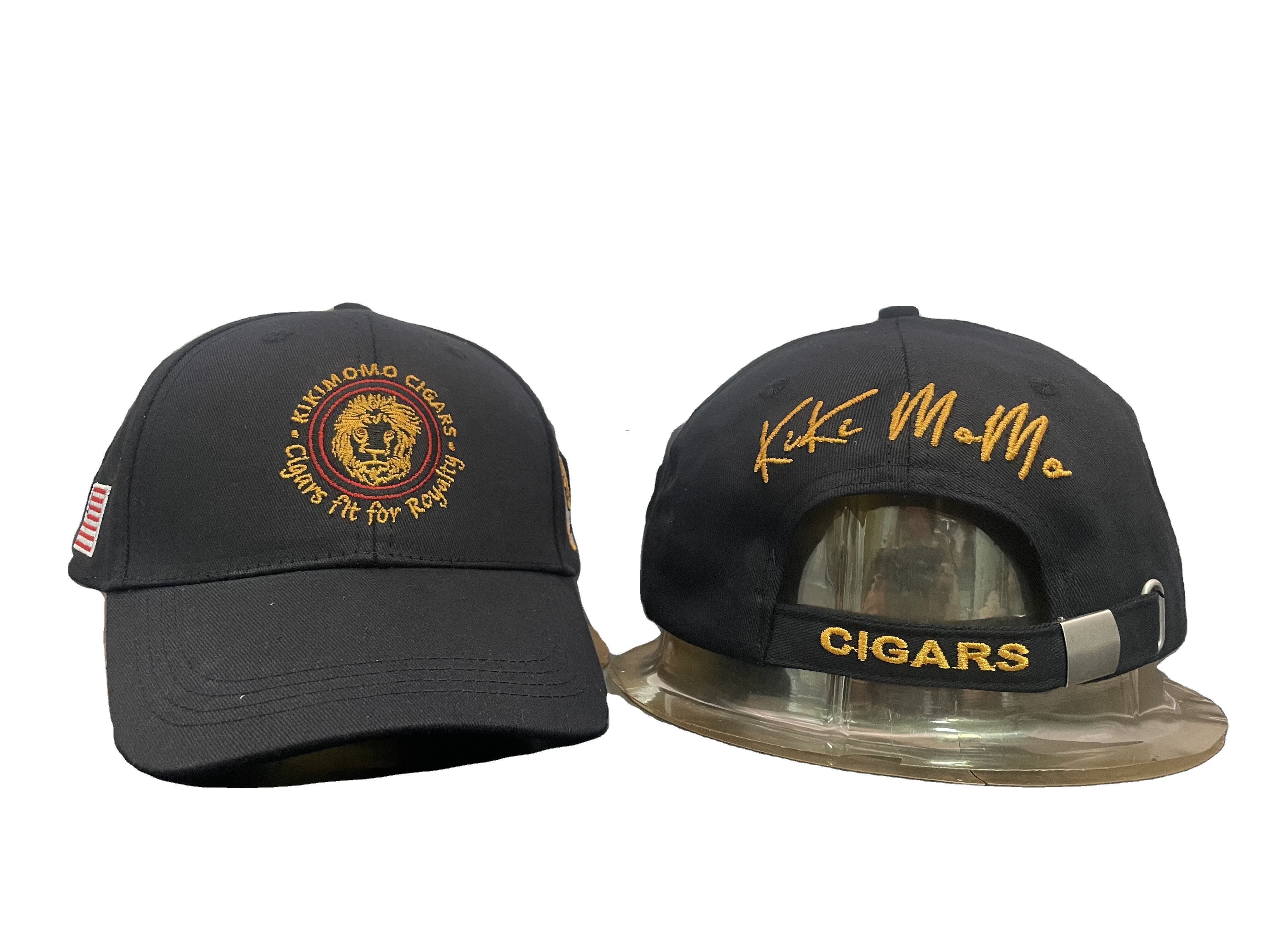
Modern corporations increasingly recognize promotional products as powerful marketing tools that create lasting brand impressions. A single baseball cap can serve multiple functions, from employee uniforms to customer giveaways and trade show merchandise. However, executing large-scale branding projects requires careful planning, strategic partnerships, and manufacturing facilities equipped to handle substantial order volumes while maintaining quality control throughout the production process.
Manufacturing Capacity and Scalability Considerations
Production Volume Capabilities
Successful large-scale branding projects depend heavily on manufacturing facilities with adequate production capacity. Leading baseball cap factories typically maintain multiple production lines capable of processing thousands of units daily. These facilities invest in advanced machinery and automation technologies that ensure consistent output while maintaining quality standards across large order volumes.
Production planning becomes critical when dealing with substantial orders that may require coordinated manufacturing across multiple facilities. Experienced factories develop sophisticated scheduling systems that account for material procurement, production sequences, and quality checkpoints. This systematic approach ensures that even orders exceeding hundreds of thousands of units can be completed within specified timeframes.
Scalability extends beyond basic production numbers to encompass supply chain management and logistics coordination. Factories supporting large-scale projects maintain relationships with multiple suppliers to ensure material availability and implement backup production strategies. This redundancy prevents delays that could derail major branding campaigns with fixed launch dates.
Equipment and Technology Infrastructure
Modern baseball cap production relies on specialized equipment designed for efficiency and precision. Computer-controlled embroidery machines can execute complex logo designs with consistent thread tension and color matching across thousands of units. Digital printing technologies enable photorealistic graphics and gradient effects that traditional methods cannot achieve.
Quality control systems integrated throughout the production process use automated inspection technologies to identify defects before they impact large quantities. Vision systems can detect color variations, stitching irregularities, and alignment issues that human inspectors might miss during high-volume production runs.
Data management systems track individual units through every production stage, creating audit trails that enable precise quality control and delivery scheduling. This technological infrastructure becomes essential when managing projects that require specific delivery dates for multiple locations or coordinated marketing campaigns.
Customization and Branding Services
Advanced Decoration Techniques
Large-scale branding projects often require sophisticated decoration techniques that showcase corporate identities effectively. Embroidery remains the most popular method for baseball cap customization, offering durability and professional appearance that withstands repeated washing and wear. Multi-head embroidery machines can produce intricate designs with multiple colors and complex details.
Heat transfer applications provide versatility for designs requiring photographic elements or gradient effects. This technique works particularly well for baseball cap designs that incorporate detailed logos or marketing messages. Sublimation printing offers another option for full-color designs, though material selection becomes crucial for optimal results.
Laser engraving and debossing techniques create subtle branding effects that appeal to premium market segments. These methods work exceptionally well for leather or synthetic materials, producing sophisticated appearances that enhance brand perception. Combination techniques using multiple decoration methods can create unique visual effects that distinguish branded merchandise from standard promotional items.
Color Matching and Brand Consistency
Maintaining color accuracy across large production runs requires sophisticated color management systems and standardized processes. Professional baseball cap factories use spectrophotometer technology to ensure precise color matching that aligns with corporate brand guidelines. This equipment measures color values objectively, eliminating subjective interpretation that could lead to variations.
Pantone color matching systems provide standardized references that ensure consistency between different production runs and manufacturing facilities. This standardization becomes crucial when projects require production at multiple locations or when orders span extended timeframes with potential material lot variations.
Quality control protocols include color verification at multiple production stages, from initial material selection through final inspection. Documentation systems maintain color standards for future orders, enabling consistent reproduction of branded merchandise over time. This systematic approach ensures that corporate branding remains uniform across all promotional materials and employee uniforms.
Quality Control and Compliance Standards
International Quality Certifications
Large-scale branding projects often involve international distribution, requiring manufacturing facilities with appropriate quality certifications and compliance documentation. ISO certification demonstrates systematic quality management processes that ensure consistent product standards. These certifications become particularly important for corporations with global operations and diverse regulatory requirements.
Safety certifications for materials and manufacturing processes protect both manufacturers and end users. Lead-free materials, non-toxic dyes, and flame-resistant treatments may be required depending on intended use and target markets. Documentation of compliance testing provides liability protection and demonstrates corporate responsibility.
Environmental certifications increasingly influence purchasing decisions for large-scale projects. Factories with sustainable manufacturing processes and environmentally responsible material sourcing appeal to corporations implementing green initiatives. These certifications can become deciding factors when selecting manufacturing partners for major branding campaigns.
Inspection and Testing Protocols
Comprehensive quality control systems implement multiple inspection points throughout the production process. Initial material inspections verify fabric quality, color accuracy, and structural integrity before production begins. This front-end quality control prevents defects that could affect entire production runs.
In-process inspections monitor critical control points during manufacture, including stitching quality, decoration alignment, and assembly accuracy. Statistical sampling methods ensure representative quality assessment without inspecting every unit individually. This approach maintains quality standards while preserving production efficiency.
Final inspections include comprehensive testing for durability, color fastness, and dimensional accuracy. Wash testing verifies that decorated elements will withstand normal care without degradation. Documentation of all inspection results provides traceability and quality assurance for large-scale orders.
Supply Chain Management and Logistics
Material Sourcing and Inventory Management
Large-scale baseball cap production requires strategic material sourcing that balances cost, quality, and availability. Factories supporting major branding projects maintain relationships with multiple suppliers to ensure material continuity and competitive pricing. Diversified sourcing strategies protect against supply disruptions that could delay critical marketing campaigns.
Inventory management systems track material consumption and automatically trigger reorder points to prevent production delays. Just-in-time delivery strategies minimize storage costs while ensuring material availability for scheduled production runs. Advanced planning systems coordinate material arrivals with production schedules to optimize efficiency.
Quality agreements with suppliers establish material specifications and inspection requirements that ensure consistency across different lots and delivery dates. Supplier audits verify manufacturing capabilities and quality control processes that affect final product quality. These relationships become crucial when scaling production for large orders.
Distribution and Fulfillment Capabilities
Large-scale branding projects often require complex distribution strategies that deliver merchandise to multiple locations simultaneously. Factories with integrated fulfillment capabilities can coordinate shipments to regional distribution centers, retail locations, or individual addresses. This service integration simplifies project management for corporate customers.
Packaging options range from bulk shipments to individual retail packaging depending on intended use and distribution channels. Custom packaging solutions can extend branding opportunities while protecting merchandise during shipment. Packaging automation reduces labor costs and ensures consistent presentation across all shipments.
Tracking systems provide real-time visibility into production progress and shipment status. This transparency enables better coordination with marketing campaigns and event planning. Advanced systems can provide automated updates to multiple stakeholders throughout the fulfillment process.
Cost Optimization and Value Engineering
Economies of Scale Benefits
Large-scale baseball cap orders create opportunities for significant cost reductions through economies of scale. Fixed costs for setup, tooling, and design development spread across larger quantities reduce per-unit costs substantially. These savings can be particularly significant for complex decoration techniques requiring specialized equipment or programming.
Material purchasing power increases with order volume, enabling access to better pricing and premium materials that might be cost-prohibitive for smaller orders. Bulk material purchases also provide greater control over color consistency and quality standards. Long-term supply agreements can lock in favorable pricing for multi-year branding programs.
Production efficiency improvements result from longer runs that minimize changeover times and setup requirements. Workers develop rhythm and expertise during extended production runs, reducing defect rates and increasing output. These efficiency gains translate directly into cost savings and improved delivery performance.
Value Engineering Opportunities
Experienced factories can suggest design modifications that reduce production costs without compromising brand impact. Alternative construction methods, material selections, or decoration techniques might achieve similar visual results at lower costs. These recommendations require deep understanding of both manufacturing processes and branding objectives.
Standardization opportunities across product lines can reduce complexity and costs while maintaining brand differentiation. Using common base styles with varied decoration allows for inventory consolidation and simplified production planning. This approach works particularly well for companies with multiple divisions or product lines.
Timing optimization can reduce costs by scheduling production during periods of lower demand or coordinating with other projects to share setup costs. Flexible delivery schedules allow factories to optimize production sequences and reduce rush charges. These scheduling strategies require close collaboration between manufacturers and customers.
Project Management and Communication Systems
Dedicated Account Management
Large-scale branding projects require dedicated account management that provides single-point contact and comprehensive project oversight. Account managers coordinate between design teams, production facilities, and logistics providers to ensure seamless execution. This centralized communication prevents misunderstandings and ensures consistent information flow.
Project management systems track milestones, deliverables, and critical path activities throughout the production process. Regular status updates keep all stakeholders informed of progress and potential issues. Proactive communication enables early problem resolution that prevents delays or quality issues.
Documentation systems maintain comprehensive records of specifications, approvals, and changes throughout the project lifecycle. This documentation provides audit trails and enables accurate reproduction for repeat orders or future projects. Detailed records also support quality investigations and continuous improvement initiatives.
Digital Collaboration Platforms
Modern factories utilize digital platforms that enable real-time collaboration between customers and production teams. Online portals provide access to design files, production schedules, and quality reports. These systems enable immediate feedback and approval processes that accelerate project timelines.
Virtual sampling capabilities allow customers to visualize designs and make modifications before production begins. Digital mockups and 3D rendering reduce the need for physical samples while enabling more accurate design evaluation. This technology particularly benefits large-scale projects where sample production time could impact overall schedules.
Integration with customer systems enables automatic data exchange that reduces manual processing and potential errors. Electronic data interchange capabilities can automatically generate purchase orders, shipping notifications, and invoicing documentation. This integration streamlines administrative processes for large-scale projects.
FAQ
What minimum order quantities do factories typically require for large-scale projects
Most professional baseball cap factories consider orders of 5,000 units or more as large-scale projects, though some may accommodate smaller quantities depending on complexity and timing. The most significant cost benefits and service capabilities typically become available for orders exceeding 10,000 units. Factories with dedicated large-project divisions often have minimum orders of 25,000 or 50,000 units to justify specialized production planning and account management resources.
How long does production typically take for large baseball cap orders
Production timelines for large-scale baseball cap projects typically range from 4-8 weeks depending on order size, customization complexity, and factory capacity. Orders requiring new tooling or complex decoration techniques may need additional lead time for setup and sampling. Rush production is possible but often requires premium pricing and may limit customization options.
What customization options work best for large-scale branding projects
Embroidery remains the most popular and durable decoration method for large-scale baseball cap projects, offering excellent brand reproduction and wash durability. Heat transfer applications work well for complex graphics or photographic elements. Combination techniques using multiple decoration methods can create unique branding effects, though they may increase costs and production time.
How do factories ensure color consistency across large production runs
Professional factories use spectrophotometer technology and Pantone color matching systems to maintain precise color accuracy throughout large production runs. Quality control protocols include color verification at multiple production stages, with documentation systems that maintain color standards for future orders. Material lot tracking ensures consistency when production spans multiple fabric deliveries or extended timeframes.