 EN
EN

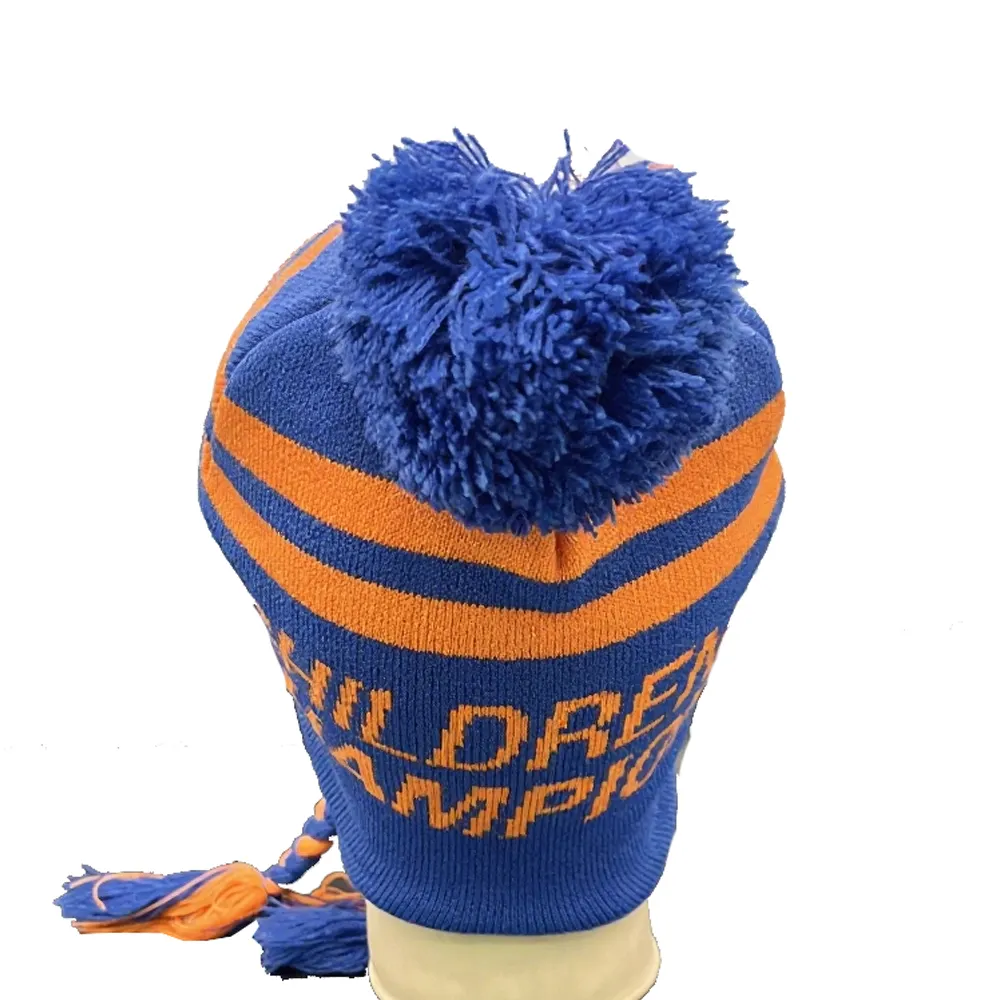
Manufacturing winter hats in bulk quantities while maintaining optimal thermal performance presents unique challenges that require sophisticated production strategies. Leading manufacturers must balance cost-effectiveness with quality standards, ensuring every winter hat delivers the warmth and comfort consumers expect. The thermal performance of a winter hat depends on multiple factors including material selection, construction techniques, and quality control processes that must be scaled appropriately for mass production.
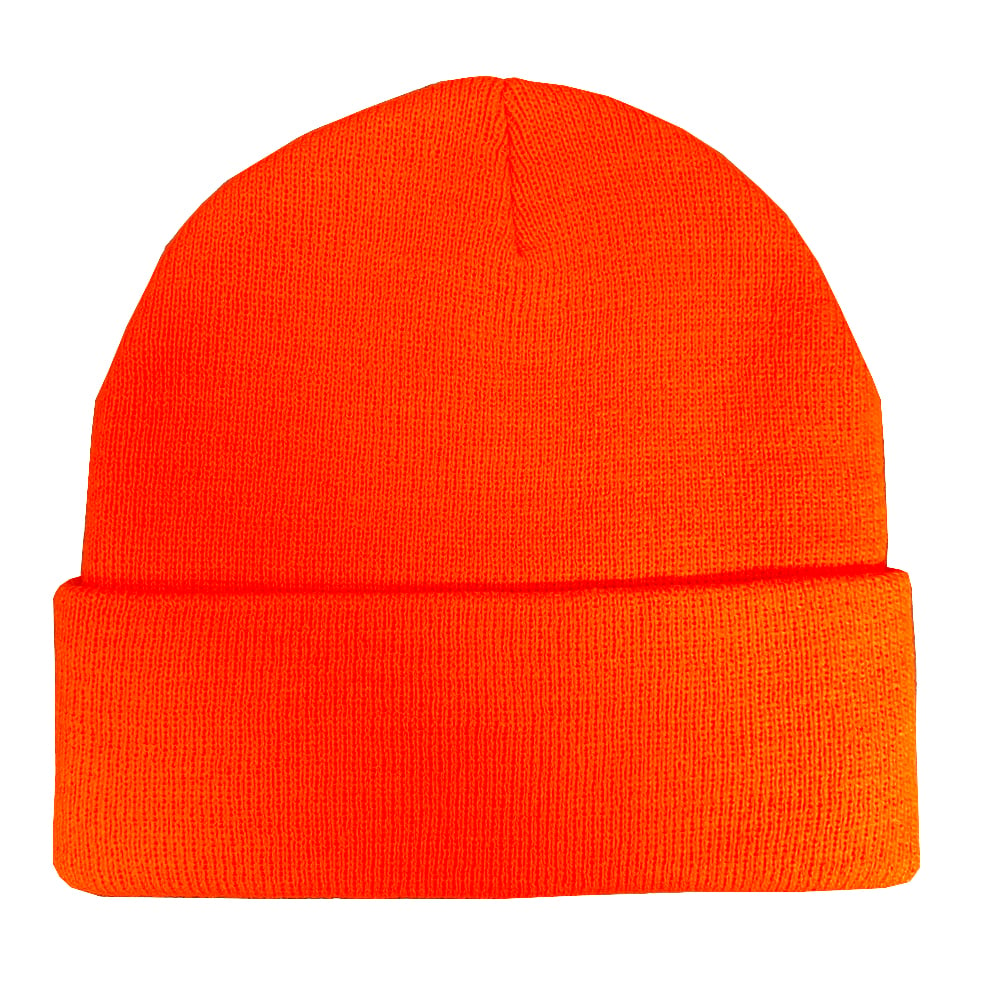
The complexity of bulk winter hat production extends beyond simple manufacturing processes. Modern facilities integrate advanced thermal testing equipment, automated quality assurance systems, and specialized knitting technologies to ensure consistent performance across thousands of units. Understanding these manufacturing processes helps buyers make informed decisions when sourcing winter hats for retail, corporate, or promotional purposes.
Material Selection and Thermal Properties
Natural Fiber Integration for Superior Insulation
Natural fibers form the foundation of high-performance winter hat construction, with wool leading as the premier choice for thermal regulation. Merino wool offers exceptional warmth-to-weight ratios while maintaining breathability, making it ideal for winter hat applications where temperature fluctuations occur. Manufacturers carefully source wool grades that meet specific thermal conductivity requirements, ensuring each winter hat provides consistent insulation properties.
Cashmere and alpaca fibers represent premium options in winter hat manufacturing, offering superior softness and thermal efficiency. These natural materials trap air effectively within their fiber structure, creating insulation barriers that maintain head warmth even in extreme conditions. Production facilities implementing these materials must maintain strict quality controls to preserve fiber integrity throughout the manufacturing process.
Synthetic Material Innovation and Performance
Advanced synthetic materials revolutionize winter hat thermal performance through engineered fiber structures that mimic natural insulation properties. Polyester fleece and microfiber blends offer moisture-wicking capabilities while maintaining warmth, creating winter hats suitable for active outdoor use. These synthetic options provide consistent performance characteristics that natural materials sometimes cannot match in bulk production scenarios.
Thermal regulation technologies integrated into synthetic winter hat materials include phase-change materials and hollow fiber constructions. These innovations allow manufacturers to create winter hat products that actively respond to temperature changes, maintaining optimal comfort levels for extended wear periods. Quality control processes ensure these advanced materials maintain their properties throughout bulk production runs.
Construction Techniques for Thermal Efficiency
Advanced Knitting Patterns and Density Control
Knitting pattern selection significantly impacts winter hat thermal performance, with manufacturers employing various stitch techniques to optimize insulation properties. Dense knit patterns create tighter fiber structures that trap more air, while specialized techniques like cable knitting add texture and additional insulation layers. Computer-controlled knitting machines ensure consistent pattern execution across large production runs.
Gauge selection determines the final density and thermal characteristics of each winter hat, with finer gauges providing smoother finishes and coarser gauges offering enhanced warmth retention. Manufacturing facilities calibrate their equipment to maintain consistent gauge measurements, ensuring uniform thermal performance across entire production batches. Quality assurance teams regularly test gauge consistency to prevent thermal performance variations.
Multi-Layer Construction and Assembly Methods
Multi-layer construction techniques enhance winter hat thermal performance by creating insulation chambers within the hat structure. Interior fleece linings provide immediate warmth against the skin, while outer shells protect against wind and moisture penetration. Assembly processes must maintain precise alignment between layers to prevent thermal bridges that could compromise insulation effectiveness.
Seaming techniques play crucial roles in maintaining thermal integrity throughout winter hat construction. Flat-lock seams minimize bulk while preventing heat loss through stitch lines, and specialized bonding methods eliminate traditional seaming altogether in critical thermal zones. Manufacturing teams train extensively on these techniques to ensure consistent application across high-volume production schedules.
Quality Control and Thermal Testing Protocols
Laboratory Testing Standards and Procedures
Thermal performance verification requires comprehensive laboratory testing protocols that evaluate winter hat insulation properties under controlled conditions. Thermal manikin testing simulates real-world wearing conditions, measuring heat retention and loss rates across different temperature ranges. These standardized tests provide quantifiable data that manufacturers use to validate thermal performance claims.
Moisture management testing evaluates how effectively each winter hat handles perspiration and external moisture while maintaining thermal properties. Advanced testing equipment measures vapor transmission rates and drying times, ensuring winter hats maintain comfort during extended wear periods. Results from these tests guide material selection and construction modifications in future production runs.
Production Line Quality Assurance
Continuous quality monitoring throughout winter hat production prevents thermal performance defects from reaching finished inventory. Automated inspection systems check material thickness, stitch consistency, and construction integrity at multiple production stages. Statistical process control methods track performance variations and trigger corrective actions when measurements exceed acceptable tolerances.
Random sampling protocols ensure representative testing across entire production batches, with trained quality inspectors evaluating thermal performance characteristics on selected winter hat samples. Documentation systems track test results and link them to specific material lots and production parameters, enabling rapid identification and correction of thermal performance issues.
Scaling Thermal Performance Across Production Volumes
Equipment Calibration and Maintenance
Maintaining consistent thermal performance in bulk winter hat production requires precise equipment calibration and preventive maintenance schedules. Knitting machines undergo regular tension adjustments to ensure uniform fabric density, while heating and pressing equipment maintains calibrated temperatures that preserve material thermal properties. Maintenance logs track equipment performance and identify trends that might affect thermal consistency.
Production capacity scaling must account for thermal performance requirements, with manufacturers carefully balancing speed increases against quality maintenance. Advanced monitoring systems track thermal performance metrics in real-time, alerting operators to deviations that require immediate attention. Investment in modern equipment enables higher production volumes without compromising winter hat thermal effectiveness.
Supply Chain Integration and Material Consistency
Thermal performance consistency across bulk winter hat production depends on reliable material supply chains that deliver consistent fiber properties. Manufacturers establish quality agreements with suppliers that specify thermal conductivity requirements and testing protocols for incoming materials. Regular supplier audits verify compliance with thermal performance standards and identify potential quality risks.
Inventory management systems track material performance characteristics and ensure proper rotation to prevent degradation of thermal properties. Climate-controlled storage facilities protect raw materials from environmental factors that could compromise winter hat thermal performance. Documentation systems maintain complete traceability from raw materials through finished products.
Innovation in Thermal Performance Technology
Smart Textile Integration
Modern winter hat manufacturers incorporate smart textile technologies that actively regulate temperature and enhance thermal performance. Conductive fibers woven into winter hat fabrics can provide additional heating when connected to small battery packs, offering customizable warmth levels for users. These innovations require specialized manufacturing processes that maintain electronic component integrity during production.
Phase-change materials embedded within winter hat construction actively absorb and release heat as temperatures fluctuate, maintaining optimal comfort levels automatically. Manufacturing processes must carefully control the integration of these materials to ensure even distribution and prevent performance degradation during washing and wear cycles.
Sustainable Thermal Solutions
Environmental consciousness drives innovation in sustainable thermal performance materials for winter hat production. Recycled synthetic fibers engineered to match virgin material thermal properties offer eco-friendly alternatives without performance compromises. Manufacturers develop specialized processing techniques that maintain thermal effectiveness while reducing environmental impact.
Bio-based insulation materials derived from renewable sources provide natural thermal performance with reduced carbon footprints. These innovative materials require adapted manufacturing processes that preserve their thermal characteristics while enabling efficient bulk production. Quality control protocols verify that sustainable materials meet the same thermal performance standards as traditional options.
FAQ
How do manufacturers test thermal performance in winter hats during production?
Manufacturers employ thermal manikin testing systems that simulate human head shapes and heat generation patterns to evaluate winter hat thermal performance under controlled laboratory conditions. These tests measure heat retention rates, thermal conductivity, and insulation effectiveness across various temperature ranges. Additional testing includes moisture vapor transmission analysis and thermal imaging to identify potential heat loss areas in winter hat construction.
What materials provide the best thermal performance for bulk winter hat production?
Merino wool offers exceptional thermal regulation properties with natural moisture-wicking capabilities, making it ideal for high-performance winter hat manufacturing. Synthetic alternatives like hollow-fiber polyester and fleece provide consistent thermal properties suitable for bulk production while offering cost advantages. Blended materials combining natural and synthetic fibers often deliver optimal thermal performance with manufacturing efficiency for large-scale winter hat production.
How do manufacturers maintain thermal consistency across thousands of winter hats?
Consistent thermal performance across bulk winter hat production requires standardized knitting patterns, controlled material densities, and calibrated manufacturing equipment. Automated quality control systems monitor thermal properties throughout production, while statistical process control methods track performance variations and trigger corrective actions. Regular equipment calibration and maintenance ensure consistent thermal output across entire production runs.
What construction techniques enhance winter hat thermal performance?
Multi-layer construction with interior fleece linings and wind-resistant outer shells maximizes thermal efficiency in winter hat design. Specialized knitting techniques create air-trapping structures that enhance insulation properties, while flat-lock seaming prevents heat loss through construction joints. Advanced manufacturers employ thermal bonding methods that eliminate traditional seams in critical thermal zones, further improving winter hat thermal performance.
Table of Contents
- Material Selection and Thermal Properties
- Construction Techniques for Thermal Efficiency
- Quality Control and Thermal Testing Protocols
- Scaling Thermal Performance Across Production Volumes
- Innovation in Thermal Performance Technology
-
FAQ
- How do manufacturers test thermal performance in winter hats during production?
- What materials provide the best thermal performance for bulk winter hat production?
- How do manufacturers maintain thermal consistency across thousands of winter hats?
- What construction techniques enhance winter hat thermal performance?