 EN
EN
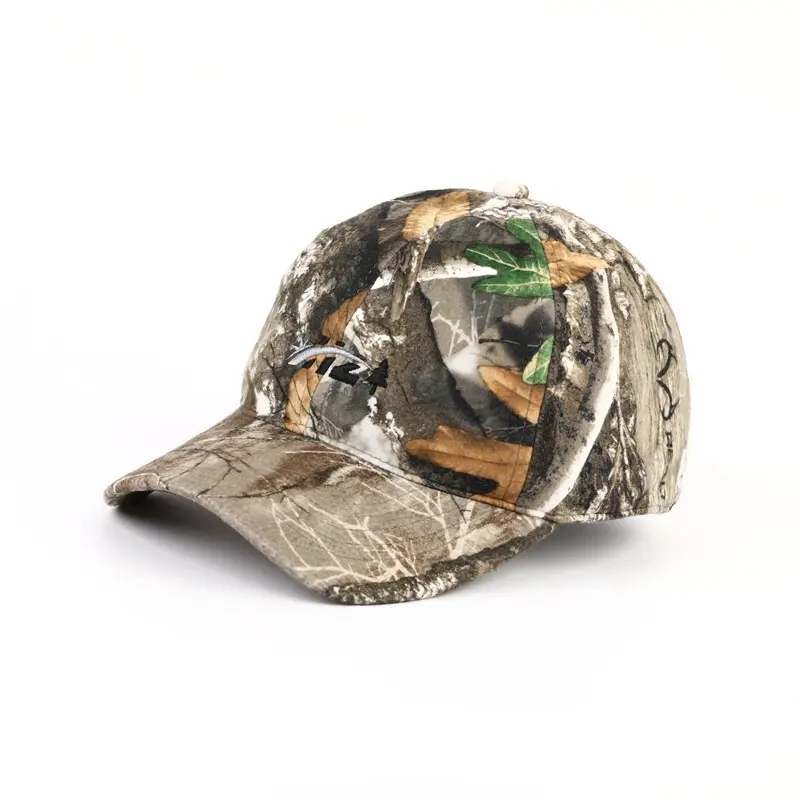
Selecting the right supplier for your sport cap manufacturing needs represents a critical business decision that can significantly impact your brand's success, product quality, and market positioning. The sport cap industry has evolved dramatically over recent years, with increasing demand for customized solutions, premium materials, and innovative designs that meet diverse consumer preferences. When evaluating potential OEM partners, brands must navigate complex considerations ranging from production capabilities and quality standards to logistics coordination and long-term partnership potential. The right sport cap supplier will not only deliver exceptional products but also provide strategic value through expertise, reliability, and collaborative innovation that drives your brand forward in competitive markets.
Manufacturing Capabilities and Technical Expertise
Production Capacity and Scalability Assessment
Understanding a supplier's production capacity represents the foundation of any successful OEM partnership for sport cap manufacturing. Brands should thoroughly evaluate monthly and annual production volumes, examining peak capacity limits and standard operational ranges to ensure alignment with projected demand scenarios. The ability to scale production up or down based on seasonal fluctuations or market opportunities becomes particularly crucial in the dynamic sport cap market where consumer trends can shift rapidly.
Effective suppliers demonstrate flexible manufacturing systems that can accommodate both large-scale orders and smaller custom runs without compromising quality or delivery timelines. Advanced production facilities typically feature automated cutting systems, computerized embroidery machines, and quality control checkpoints that enable consistent output while maintaining cost efficiency. Brands should investigate backup production capabilities and contingency plans that suppliers maintain to address unexpected demand surges or equipment disruptions.
Technical Specifications and Design Capabilities
The technical sophistication of sport cap manufacturing requires suppliers with comprehensive design capabilities and material expertise across multiple construction methods. Suppliers should demonstrate proficiency in various cap styles including structured and unstructured designs, fitted and adjustable options, and specialized features like moisture-wicking linings or UV protection treatments. The ability to work with diverse materials from cotton and polyester to technical fabrics and sustainable alternatives indicates versatility and innovation potential.
Advanced suppliers offer in-house design services, prototype development capabilities, and technical consultation that helps brands optimize their sport cap concepts for both performance and manufacturability. Computer-aided design systems, 3D modeling capabilities, and rapid prototyping facilities enable iterative development processes that reduce time-to-market while ensuring design integrity. Brands should evaluate suppliers' experience with complex embellishment techniques, color matching systems, and specialty construction methods that differentiate premium sport cap products in competitive markets.
Quality Control Standards and Certifications
Quality Assurance Protocols and Testing Procedures
Comprehensive quality control systems distinguish professional sport cap suppliers from basic manufacturing operations, ensuring consistent product excellence that protects brand reputation and customer satisfaction. Effective quality assurance begins with incoming material inspection protocols that verify fabric specifications, hardware quality, and component compatibility before production initiation. Throughout the manufacturing process, systematic checkpoints monitor construction accuracy, dimensional compliance, and finish quality at multiple stages.
Professional suppliers implement documented quality management systems that include statistical process control, defect tracking, and continuous improvement methodologies. Random sampling procedures, stress testing protocols, and colorfastness evaluation ensure that finished sport cap products meet specified performance standards and durability requirements. Brands should investigate suppliers' quality documentation systems, corrective action procedures, and customer feedback integration processes that demonstrate commitment to ongoing quality enhancement.
Industry Certifications and Compliance Standards
Industry certifications provide objective validation of supplier capabilities and commitment to professional standards that protect both brands and end consumers. ISO 9001 certification indicates systematic quality management processes, while OEKO-TEX standards ensure textile safety and environmental responsibility in sport cap production. Additional certifications like WRAP (Worldwide Responsible Accredited Production) or BSCI (Business Social Compliance Initiative) demonstrate ethical manufacturing practices and social responsibility.
Compliance with international safety standards becomes particularly important for sport cap products intended for children or specialized applications where regulatory requirements apply. Suppliers should maintain current documentation for all relevant certifications and demonstrate ongoing compliance monitoring systems. Brands operating in multiple markets benefit from suppliers who understand regional compliance requirements and can provide necessary documentation for import/export procedures and retail distribution.
Material Selection and Sourcing Capabilities
Fabric Options and Performance Characteristics
The selection of appropriate materials fundamentally determines sport cap performance, durability, and consumer appeal, making supplier material expertise a critical evaluation factor. Professional suppliers maintain relationships with multiple fabric mills and material suppliers, providing brands with diverse options ranging from traditional cotton and cotton blends to advanced performance fabrics with moisture management and odor control properties. Understanding how different materials affect manufacturing processes, cost structures, and end-product characteristics enables informed decision-making.
Advanced material options include recycled polyester, organic cotton, bamboo fibers, and technical synthetics that offer enhanced functionality for athletic applications. Suppliers should provide detailed specifications for each material option, including care instructions, performance characteristics, and environmental impact considerations. The ability to source specialized materials like UV-protective fabrics or antimicrobial treatments expands design possibilities and enables differentiation in competitive sport cap markets.
Supply Chain Transparency and Sourcing Ethics
Transparency in material sourcing has become increasingly important as consumers and brands prioritize ethical production practices and environmental sustainability. Reliable suppliers provide comprehensive information about their supply chain networks, including fiber sources, processing facilities, and transportation methods used in material procurement. This transparency enables brands to make informed decisions about sustainability claims and ethical positioning in their marketing strategies.
Effective suppliers implement supplier auditing programs, traceability systems, and sustainability initiatives that align with modern corporate responsibility expectations. Documentation of fair labor practices, environmental impact mitigation, and community engagement programs demonstrates comprehensive commitment to ethical business practices. Brands should evaluate suppliers' participation in industry sustainability initiatives and their ability to provide documentation supporting environmental and social responsibility claims.
Customization and Branding Services
Embellishment and Decoration Options
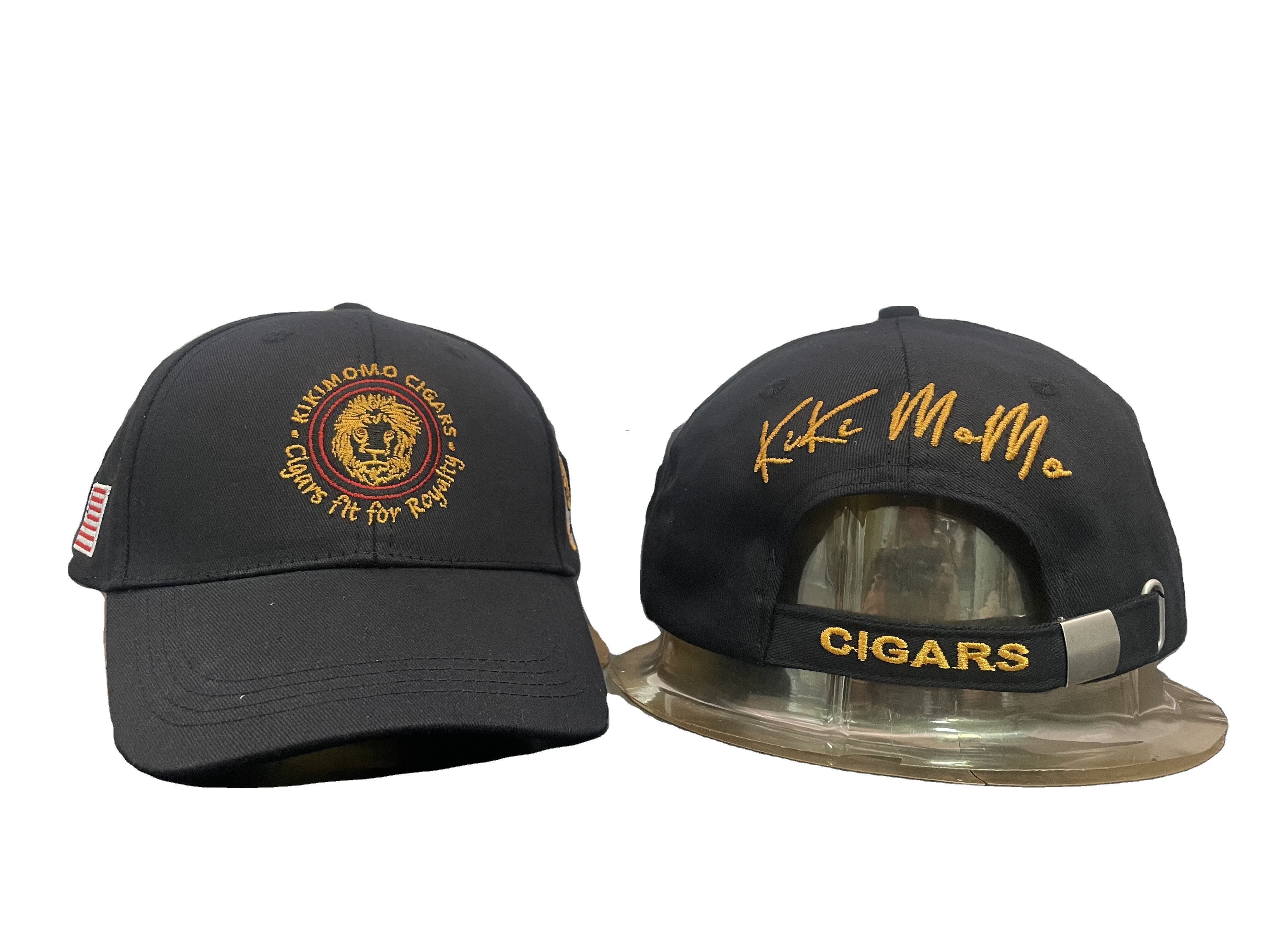
Comprehensive customization capabilities enable brands to create distinctive sport cap designs that effectively communicate brand identity and appeal to target consumer segments. Professional suppliers offer multiple decoration methods including embroidery, screen printing, heat transfer, sublimation, and applique techniques that provide different aesthetic effects and durability characteristics. Understanding the advantages and limitations of each decoration method helps brands select appropriate techniques for their specific design requirements and target price points.
Advanced decoration capabilities include multi-color embroidery with specialized thread types, 3D puff embroidery for dimensional effects, and laser etching for subtle branding applications. Suppliers should demonstrate expertise in color matching, design scaling, and placement optimization that ensures consistent reproduction of brand elements across production runs. The ability to combine multiple decoration techniques within single sport cap designs expands creative possibilities and enables sophisticated branding executions.
Logo Development and Brand Integration Services
Professional sport cap suppliers often provide comprehensive branding services that extend beyond basic decoration to include logo development, design consultation, and brand strategy support. These value-added services can significantly benefit brands seeking to establish or enhance their market presence through distinctive headwear products. Experienced suppliers understand how different logo styles, color combinations, and placement options affect brand perception and consumer appeal in sport cap applications.
Collaborative design processes enable suppliers to optimize brand elements for specific manufacturing techniques while maintaining design integrity and visual impact. Professional suppliers provide design guidelines, technical specifications, and production samples that help brands make informed decisions about branding execution. The ability to develop coordinated product lines with consistent branding across multiple sport cap styles supports comprehensive marketing strategies and brand recognition building.
Production Timeline and Delivery Management
Manufacturing Lead Times and Scheduling Flexibility
Accurate production scheduling and reliable delivery performance represent fundamental requirements for successful sport cap OEM partnerships, particularly when coordinating with marketing campaigns, seasonal launches, or event-specific promotions. Professional suppliers provide detailed production timelines that account for design development, material procurement, manufacturing processes, quality control procedures, and shipping logistics. Understanding each phase of the production cycle enables brands to plan effectively and coordinate with other business activities.
Flexible scheduling capabilities become particularly valuable when managing multiple product lines, seasonal variations, or unexpected market opportunities that require production adjustments. Suppliers should demonstrate ability to accommodate rush orders, modify production schedules, and provide expedited processing options when circumstances require accelerated delivery. Clear communication protocols and regular progress updates ensure transparency throughout the production cycle and enable proactive management of potential delays or complications.
Logistics Coordination and International Shipping
Comprehensive logistics capabilities streamline the entire supply chain process and reduce complexity for brands managing international sport cap sourcing operations. Professional suppliers maintain established relationships with freight forwarders, customs brokers, and logistics providers that enable efficient and cost-effective shipping solutions. Understanding of international shipping regulations, documentation requirements, and customs procedures ensures smooth transit and minimizes delays or complications at border crossings.
Advanced logistics services include inventory management, drop-shipping capabilities, and distribution center coordination that can significantly simplify order fulfillment processes. Suppliers who offer consolidated shipping, cargo insurance, and delivery tracking provide additional value and risk mitigation for brands managing complex distribution requirements. The ability to coordinate deliveries to multiple destinations or time-sensitive delivery windows demonstrates sophisticated logistics capabilities that benefit brands with diverse distribution needs.
Cost Structure and Financial Considerations
Pricing Models and Cost Transparency
Understanding supplier pricing structures and cost components enables brands to make informed decisions about product positioning, profit margins, and long-term financial planning for sport cap product lines. Professional suppliers provide detailed cost breakdowns that separate material costs, labor expenses, decoration charges, and overhead allocations, allowing brands to understand value propositions and identify optimization opportunities. Transparent pricing eliminates surprises and enables accurate financial projecting for business planning purposes.
Volume-based pricing tiers, early payment discounts, and long-term contract incentives provide opportunities for cost optimization while building stronger supplier relationships. Brands should evaluate total cost of ownership including shipping expenses, customs duties, quality control costs, and inventory carrying charges when comparing supplier options. Professional suppliers often provide cost modeling services and optimization recommendations that help brands balance quality requirements with budget constraints for optimal market positioning.
Payment Terms and Financial Flexibility
Flexible payment terms and financial arrangements can significantly impact cash flow management and operational efficiency for brands developing sport cap product lines. Professional suppliers offer various payment options including letters of credit, trade financing arrangements, and staged payment schedules that align with production milestones and delivery timelines. Understanding available payment methods and associated costs enables brands to optimize financial management while maintaining positive supplier relationships.
Risk mitigation through payment protection, supplier insurance, and financial stability verification provides additional security for brands investing in significant sport cap inventory positions. Suppliers with strong financial foundations and established banking relationships demonstrate stability and reliability that reduces partnership risks. Credit references, financial statements, and industry reputation provide insights into supplier financial health and long-term viability for sustained business relationships.
Communication and Partnership Development
Customer Service and Technical Support
Effective communication systems and responsive customer service represent essential elements of successful sport cap supplier relationships that extend far beyond basic order processing. Professional suppliers maintain dedicated account management teams, technical support specialists, and customer service representatives who understand the complexities of custom headwear production and can provide expert guidance throughout the development and manufacturing process. Clear communication channels, defined response timeframes, and escalation procedures ensure efficient problem resolution and project coordination.
Technical support capabilities include design consultation, material recommendations, production optimization advice, and troubleshooting assistance that helps brands navigate complex manufacturing decisions. Suppliers should demonstrate expertise in sport cap construction techniques, industry trends, and consumer preferences that provides strategic value beyond basic manufacturing services. Regular communication protocols, progress reporting systems, and proactive updates demonstrate commitment to partnership success and customer satisfaction.
Long-term Partnership Potential and Growth Support
Evaluating suppliers' commitment to long-term partnerships and growth support capabilities helps brands identify manufacturing partners who can evolve with changing business needs and market opportunities. Professional suppliers invest in relationship development, capacity expansion, and capability enhancement that supports customer growth objectives over extended time periods. Understanding suppliers' strategic plans, investment priorities, and market development initiatives provides insights into partnership potential and mutual growth opportunities.
Collaborative innovation programs, joint product development initiatives, and market research sharing demonstrate suppliers' commitment to partnership value creation beyond basic manufacturing services. Suppliers who actively participate in industry trade shows, trend forecasting, and technology development bring additional strategic value to sport cap partnerships. The ability to support brand expansion into new markets, product categories, or distribution channels indicates comprehensive partnership capabilities that extend well beyond immediate production needs.
FAQ
What minimum order quantities should brands expect for custom sport cap production?
Minimum order quantities for custom sport cap production typically range from 100 to 500 pieces per design, depending on the supplier's production capabilities and customization complexity. Smaller minimums are often available for simple embroidery designs, while complex multi-color decorations or specialty materials may require larger quantities to achieve cost efficiency. Professional suppliers usually offer flexible MOQ options and can work with brands to find solutions that balance production efficiency with inventory management needs.
How long does the complete sport cap development and production process typically take?
The complete development and production timeline for custom sport cap orders generally ranges from 15 to 45 days, depending on design complexity, material availability, and order quantities. Initial design development and sampling typically requires 5-10 days, followed by production lead times of 10-30 days for manufacturing and quality control. Rush orders may be accommodated with expedited processing, while complex designs or specialty materials may extend timelines beyond standard ranges.
What quality control measures should brands require from sport cap suppliers?
Comprehensive quality control measures should include incoming material inspection, in-process monitoring at multiple production stages, and final product evaluation before shipping. Professional suppliers implement documented quality management systems with statistical process control, defect tracking, and corrective action procedures. Brands should require pre-production samples, random inspection reports, and access to quality documentation that demonstrates consistent adherence to specified standards throughout the manufacturing process.
How can brands evaluate a sport cap supplier's capability to handle international shipping and customs requirements?
Brands should evaluate suppliers' international shipping capabilities by reviewing their experience with specific destination countries, established logistics partnerships, and documentation accuracy records. Professional suppliers maintain relationships with experienced freight forwarders and customs brokers who understand regulatory requirements and can provide necessary import/export documentation. Request references from other international customers and verify the supplier's ability to provide proper commercial invoices, packing lists, and certificates of origin required for smooth customs clearance.
Table of Contents
- Manufacturing Capabilities and Technical Expertise
- Quality Control Standards and Certifications
- Material Selection and Sourcing Capabilities
- Customization and Branding Services
- Production Timeline and Delivery Management
- Cost Structure and Financial Considerations
- Communication and Partnership Development
-
FAQ
- What minimum order quantities should brands expect for custom sport cap production?
- How long does the complete sport cap development and production process typically take?
- What quality control measures should brands require from sport cap suppliers?
- How can brands evaluate a sport cap supplier's capability to handle international shipping and customs requirements?