 EN

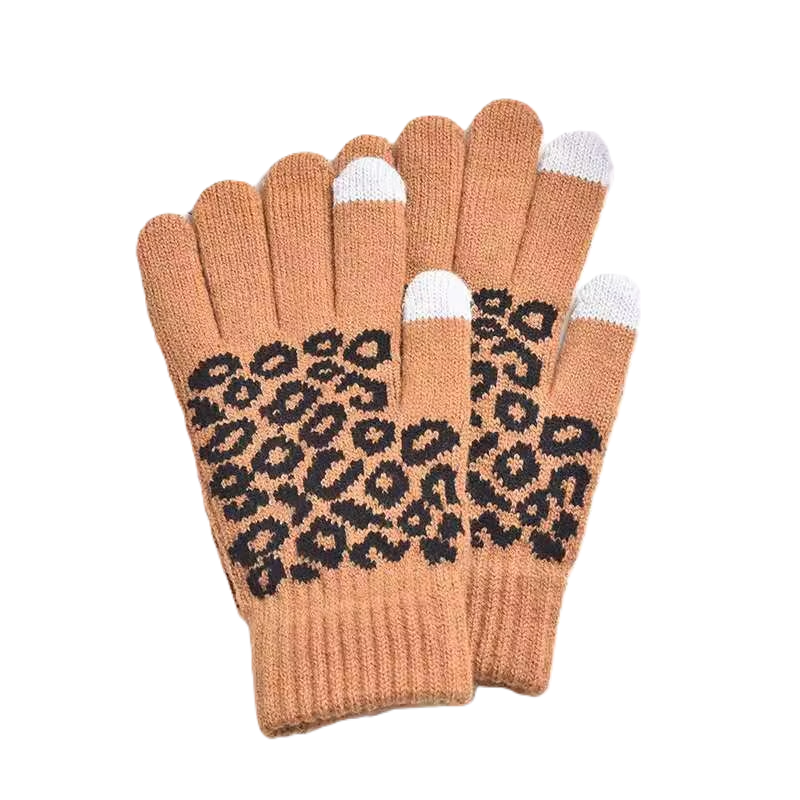
Touch screen gloves have become an essential accessory for anyone who needs to use smartphones, tablets, or laptops during cold weather without removing their hand protection. The technology behind touch screen gloves is surprisingly elegant, combining textile innovation with conductive materials to bridge the gap between the insulating barrier of fabric and the sensitive touchscreen sensors found on modern devices. Understanding how touch screen gloves work reveals a fascinating intersection of material science, electrical conductivity, and practical design that solves a genuine problem faced by millions of users worldwide.
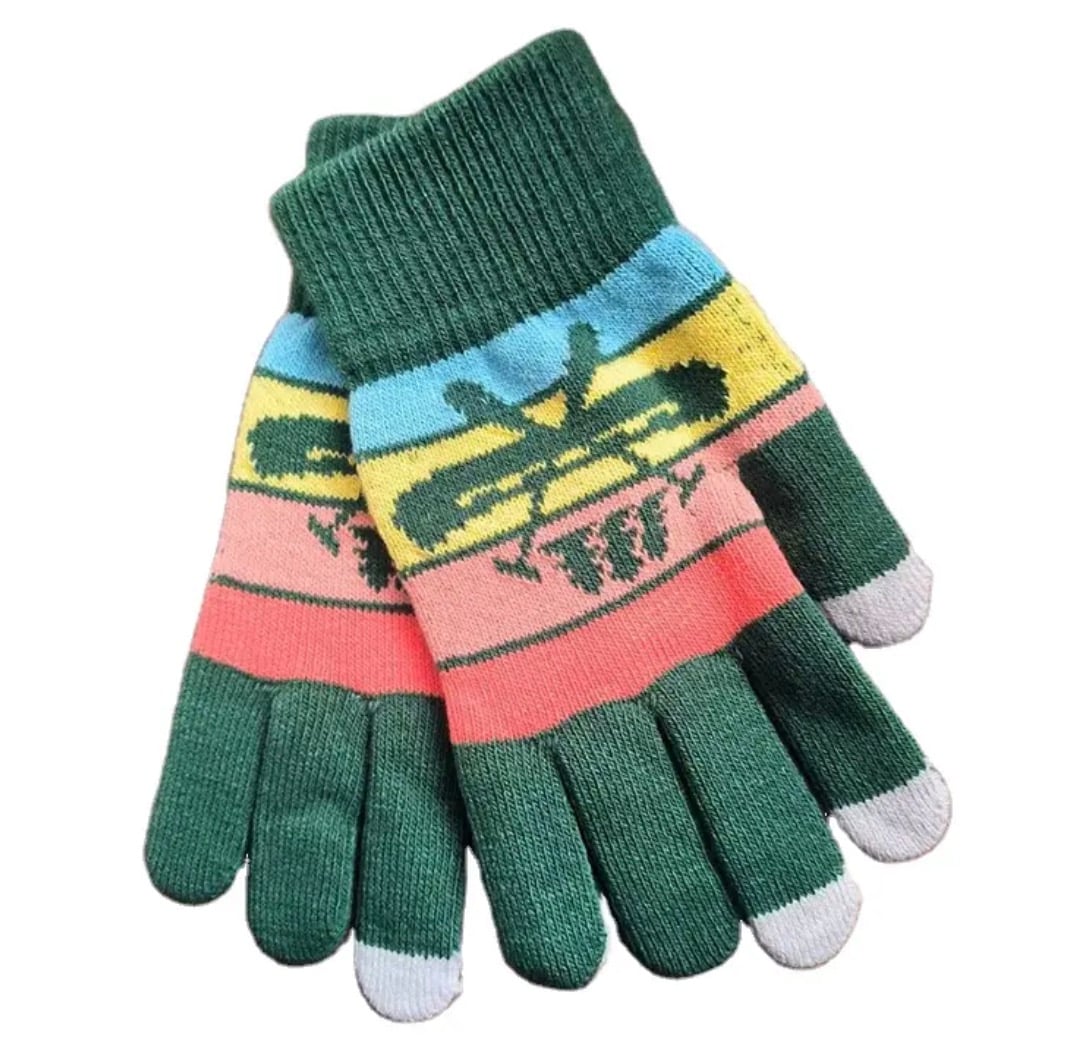
The fundamental challenge that touch screen gloves solve is the incompatibility between conventional glove materials and capacitive touchscreen technology. Traditional gloves use insulating fabrics like wool, acrylic, or fleece, which prevent electrical signals from passing between your skin and the device screen. Touch screen gloves overcome this barrier by incorporating conductive materials into specific areas of the glove, typically on the fingertips where contact with screens occurs. This targeted approach maintains warmth and protection while enabling seamless interaction with digital devices.
The Science of Capacitive Touch Technology
Understanding Capacitive Touchscreens
Modern smartphones and tablets use capacitive touchscreen technology, which detects the electrical properties of your finger rather than physical pressure. When you touch a capacitive screen with your bare skin, you complete a circuit because the human body is naturally conductive due to water and electrolytes present in skin tissue. This conductivity allows electrical charge to flow from the device through your finger to ground, creating a measurable change that the screen registers as a touch. Touch screen gloves must replicate this conductive pathway by mimicking the electrical properties of human skin at the fingertip contact points.
How Touch Screen Gloves Complete the Circuit
Touch screen gloves work by incorporating conductive materials into the fingertip areas where the glove contacts the screen. The most common conductive materials used in touch screen gloves include silver-coated nylon threads, conductive polymers, and specialized conductive fabrics that maintain electrical continuity while remaining soft and flexible. When you wear touch screen gloves and press your fingertip against a capacitive screen, the conductive material in the glove fingertip allows electrical charge to transfer effectively, just as your bare skin would. This transfer of electrical charge enables the touchscreen to recognize the touch and respond appropriately to user input.
Conductive Materials and Construction Methods
Types of Conductive Fibers in Touch Screen Gloves
The effectiveness of touch screen gloves depends heavily on the quality and type of conductive material embedded in the fingertips. Silver-coated nylon is one of the most widely used materials because it combines excellent electrical conductivity with durability and flexibility, making touch screen gloves comfortable for extended wear. Conductive polymers offer another option, providing good conductivity while maintaining the natural feel of regular glove fabric. Some premium touch screen gloves incorporate graphene or carbon-based coatings, which offer superior conductivity and longevity compared to traditional materials. The choice of conductive material affects not only how responsive touch screen gloves are but also their lifespan and washing durability.
Manufacturing Process for Touch Screen Gloves
Producing touch screen gloves requires precise manufacturing techniques to ensure the conductive material is applied only where needed while maintaining structural integrity throughout the glove. The most common manufacturing approach involves weaving conductive threads into the fabric of the glove fingertips during the knitting process, which integrates conductivity directly into the glove structure. Alternative methods include coating pre-made glove fingertips with conductive paint or adhesive-backed conductive material, though this approach can be less durable through repeated washing. Some manufacturers use embroidery techniques to apply conductive thread patterns to glove fingertips, allowing for consistent performance across many pairs of touch screen gloves. The manufacturing quality directly impacts how well touch screen gloves maintain their functionality after multiple wash cycles and extended use.
Practical Performance and Limitations of Touch Screen Gloves
Responsiveness and User Experience
The responsiveness of touch screen gloves varies based on the conductivity level, material thickness, and the specific touchscreen technology of your device. High-quality touch screen gloves provide responsiveness nearly identical to bare-finger interaction, allowing users to type, scroll, and navigate with minimal friction or lag. However, thicker or heavily insulated touch screen gloves may require slightly more deliberate pressure on the screen compared to using bare fingers, as the additional fabric layer can reduce sensitivity. Users of touch screen gloves generally report that after a short adjustment period, they can operate devices comfortably and efficiently, even in cold weather when wearing multiple protective layers.
Durability and Long-Term Performance
One critical consideration for touch screen gloves is how long the conductive properties remain effective through washing and regular use. Quality touch screen gloves made with silver-coated nylon or high-grade conductive polymers typically maintain full functionality for one to two years of regular use, though this depends on washing frequency and care methods. Proper maintenance of touch screen gloves involves hand washing in lukewarm water with mild detergent and air drying to preserve the conductive coating, as harsh chemicals or high heat can degrade the conductive material. Some touch screen gloves lose conductivity gradually over time as the conductive material wears away from friction, though well-constructed options maintain reliable performance through extended periods. Testing touch screen gloves periodically on your device ensures you notice any loss of responsiveness early and can plan replacement accordingly.
FAQ
Can touch screen gloves work on any smartphone or tablet?
Touch screen gloves work most reliably on capacitive touchscreens, which include nearly all modern smartphones, tablets, and laptops manufactured in the last decade. Older resistive touchscreens, which respond to physical pressure rather than electrical conductivity, do not work with touch screen gloves. Additionally, some touchscreen devices have sensitivity thresholds that may require slightly more pressure when using touch screen gloves, but the vast majority of current devices offer full compatibility with quality conductive gloves without requiring adjusted settings or special calibration.
Do touch screen gloves need to be waterproof to maintain conductivity?
Touch screen gloves do not require waterproofing to maintain conductivity, as water itself is actually conductive and does not interfere with the electrical transfer that makes touch screen gloves functional. However, waterproofing can extend the lifespan of touch screen gloves by protecting the fabric and conductive material from excessive moisture exposure, which can cause degradation over time. Many high-quality touch screen gloves are water-resistant rather than fully waterproof, balancing breathability with protection. Moisture typically improves the immediate responsiveness of touch screen gloves because water enhances electrical conductivity, though excessive or prolonged water exposure should still be avoided to preserve the conductive coating.
Why do some touch screen gloves fail to respond to touchscreens?
Touch screen gloves may fail to respond due to degradation of the conductive material from repeated washing, friction, or age-related wear that reduces the electrical conductivity at the fingertips. Lower-quality touch screen gloves with inadequate conductive material density may never provide reliable responsiveness from the beginning, particularly on devices with higher sensitivity thresholds or older hardware. In some cases, touch screen gloves may appear to work initially but lose conductivity after several wash cycles if the conductive coating is not properly bonded to the fabric. Testing touch screen gloves on your device before purchasing and following proper care instructions helps ensure consistent performance throughout the glove's lifespan.