 EN
EN
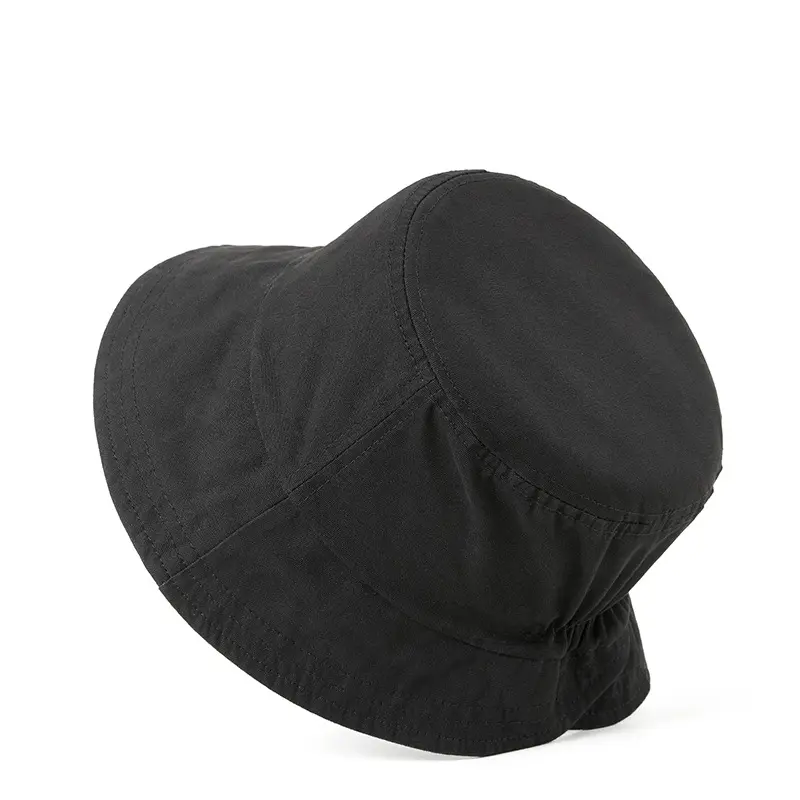
Modern textile manufacturing has evolved significantly in recent decades, with factories specializing in protective headwear playing an increasingly important role in fabric innovation. A bucket hat factory operates at the intersection of fashion and function, where traditional manufacturing processes meet cutting-edge material science. These facilities are uniquely positioned to contribute to UV-protection fabric development through their specialized knowledge of outdoor headwear requirements and consumer needs. The manufacturing expertise found in these facilities extends far beyond simple production, encompassing research and development initiatives that drive industry-wide improvements in sun protection technology.
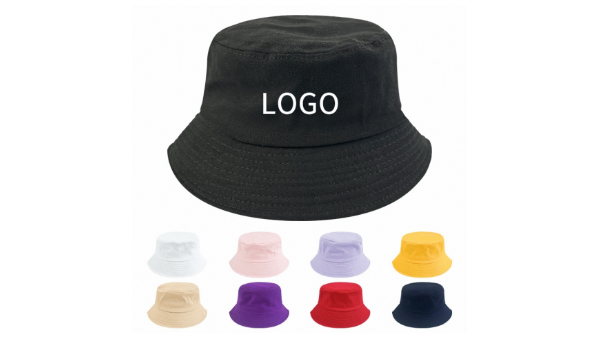
Manufacturing Expertise in UV-Protection Fabric Innovation
Technical Knowledge and Production Capabilities
Bucket hat manufacturers possess deep technical knowledge about fabric properties, weaving techniques, and finishing processes that directly translate to UV-protection development. Their understanding of fabric weight, thread count, and material composition enables them to identify which combinations provide optimal sun protection while maintaining comfort and durability. The production floor experience with different synthetic and natural fibers gives these facilities unique insights into how materials behave under various environmental conditions. This hands-on expertise becomes invaluable when developing new UV-blocking textiles that must perform consistently across diverse climates and usage scenarios.
Manufacturing facilities that produce bucket hat designs understand the critical balance between protection and breathability. Their experience with fabric treatments, coating applications, and chemical finishes provides essential knowledge for developing enhanced UV-protection materials. The quality control processes implemented in these factories ensure that new fabric developments meet stringent performance standards before reaching consumers. This manufacturing foundation creates an ideal environment for testing and refining innovative UV-blocking technologies in real-world production settings.
Research and Development Infrastructure
Leading bucket hat production facilities invest heavily in research and development infrastructure that supports fabric innovation initiatives. These investments include specialized testing equipment for measuring UV transmission rates, fabric durability assessments, and comfort analysis tools. The R&D departments within these manufacturing operations work closely with textile engineers and material scientists to develop next-generation protective fabrics. Their laboratory facilities enable rapid prototyping and testing of new fabric formulations, accelerating the development timeline for UV-protection innovations.
The integration of advanced testing methodologies within manufacturing facilities allows for real-time feedback on fabric performance during production runs. This capability enables continuous improvement in UV-protection fabric development, with manufacturers able to adjust formulations and processes based on immediate test results. The combination of production expertise and research capabilities creates a comprehensive platform for advancing protective textile technology within the headwear industry.
Material Science Collaboration and Innovation
Partnership with Textile Researchers
Bucket hat manufacturers frequently collaborate with universities and research institutions to advance UV-protection fabric technology. These partnerships leverage the practical manufacturing knowledge of production facilities with the theoretical expertise of academic researchers. Joint research projects often focus on developing new synthetic fiber compositions that provide enhanced UV blocking while maintaining the aesthetic qualities consumers expect from a quality bucket hat. The collaboration extends to testing new chemical treatments and fabric finishes that can be applied during the manufacturing process to improve sun protection performance.
Academic partnerships also facilitate access to advanced analytical equipment and testing methodologies that might not be economically feasible for individual manufacturing facilities. These collaborative relationships enable bucket hat producers to stay at the forefront of material science developments and incorporate the latest innovations into their production processes. The knowledge exchange between industry and academia drives continuous improvement in UV-protection fabric technology and ensures that new developments meet both performance requirements and commercial viability standards.
Supply Chain Integration for Innovation
The supply chain relationships maintained by bucket hat manufacturers create opportunities for fabric innovation throughout the textile production process. These facilities work closely with fiber producers, yarn manufacturers, and fabric mills to develop customized materials that meet specific UV-protection requirements. The collaborative approach enables the development of specialized fibers and treatments that are optimized for headwear applications. Supply chain integration also facilitates the scaling of successful innovations from prototype to full production volumes.
Manufacturing facilities that specialize in bucket hat production maintain relationships with chemical companies that develop UV-blocking additives and treatments. These partnerships enable the integration of cutting-edge protection technologies directly into the fabric manufacturing process. The close coordination between manufacturers and suppliers ensures that new UV-protection developments can be efficiently incorporated into existing production workflows without significant disruption to manufacturing operations.
Testing and Quality Assurance in Fabric Development
Performance Validation Protocols
Bucket hat manufacturing facilities implement comprehensive testing protocols to validate the UV-protection performance of new fabric developments. These testing procedures include laboratory analysis of UV transmission rates using standardized measurement techniques that comply with international protection standards. Field testing programs evaluate fabric performance under real-world conditions, providing valuable data on how new materials perform during extended outdoor exposure. The combination of laboratory and field testing ensures that UV-protection fabrics meet both technical specifications and practical user requirements.
Quality assurance processes within these manufacturing facilities extend beyond basic UV-protection measurements to include assessments of fabric durability, colorfastness, and comfort properties. The comprehensive testing approach ensures that new fabric developments maintain their protective qualities throughout the expected product lifecycle. Manufacturing facilities also conduct accelerated aging tests to evaluate how UV-protection fabrics perform after extended exposure to sunlight, washing, and normal wear conditions. This thorough validation process builds confidence in new fabric technologies before they reach commercial markets.
Continuous Improvement Methodologies
The production environment of bucket hat manufacturers provides an ideal setting for implementing continuous improvement methodologies in fabric development. Statistical process control techniques monitor fabric performance variables throughout production runs, identifying opportunities for optimization in UV-protection properties. The feedback loops established between production teams and R&D departments enable rapid iteration on fabric formulations and manufacturing processes. This systematic approach to improvement ensures that UV-protection fabric technology continues to advance through incremental enhancements and breakthrough innovations.
Manufacturing data analysis reveals patterns in fabric performance that inform future development priorities and guide resource allocation decisions. The large-scale production environment enables statistically significant testing of new fabric variations, providing reliable data on performance improvements. Continuous improvement processes also incorporate customer feedback and market research data to ensure that new UV-protection fabric developments align with consumer needs and expectations for bucket hat products.
Market-Driven Innovation in UV-Protection Textiles
Consumer Demand Analysis
Bucket hat manufacturers maintain direct relationships with retailers and consumers that provide valuable insights into market demand for UV-protection features. This market intelligence informs fabric development priorities and guides investment decisions in new protection technologies. Consumer feedback regarding comfort, durability, and protection effectiveness helps manufacturers identify specific areas where fabric innovations can provide competitive advantages. The understanding of market trends enables manufacturers to anticipate future demand for enhanced UV-protection capabilities in headwear products.
Market research conducted by bucket hat manufacturers reveals consumer willingness to pay premium prices for products that offer superior sun protection. This market insight drives investment in advanced fabric technologies that can command higher profit margins while providing genuine value to consumers. The combination of market demand data and technical capability guides strategic decisions about which UV-protection fabric developments to prioritize and commercialize. Understanding consumer preferences also helps manufacturers design fabric properties that balance protection with other desired characteristics such as style and comfort.
Industry Standards and Regulatory Compliance
Bucket hat manufacturing facilities stay current with evolving industry standards for UV protection and ensure that their fabric developments comply with regulatory requirements in key markets. This compliance expertise guides the development of new fabrics that meet or exceed established protection standards while remaining commercially viable. The regulatory knowledge maintained by these manufacturers helps identify emerging requirements that may drive future demand for enhanced UV-protection capabilities. Proactive compliance efforts ensure that new fabric developments can be rapidly introduced to global markets without regulatory delays.
Industry standard compliance also provides a framework for measuring and communicating the performance benefits of new UV-protection fabrics to consumers and retail partners. The certification processes required for compliance validate the effectiveness of fabric innovations and provide third-party verification of protection claims. Manufacturing facilities that excel in regulatory compliance can leverage their expertise to develop fabrics that set new industry benchmarks for UV protection in headwear applications. This regulatory leadership position creates competitive advantages and establishes the manufacturer as a trusted source for high-performance protective textiles.
FAQ
How do bucket hat factories contribute to UV fabric research
Bucket hat factories contribute to UV fabric research through their specialized knowledge of outdoor headwear requirements and manufacturing processes. These facilities possess deep technical expertise in fabric properties, weaving techniques, and finishing processes that directly apply to UV-protection development. Their production experience with different materials provides valuable insights into fabric behavior under various environmental conditions. Manufacturing facilities also invest in R&D infrastructure including specialized testing equipment and laboratory facilities that support fabric innovation initiatives.
What testing methods do manufacturers use for UV-protection fabrics
Manufacturers use comprehensive testing protocols including laboratory analysis of UV transmission rates using standardized measurement techniques that comply with international protection standards. Field testing programs evaluate fabric performance under real-world conditions during extended outdoor exposure. Quality assurance processes assess fabric durability, colorfastness, and comfort properties alongside UV-protection measurements. Accelerated aging tests evaluate how fabrics perform after extended exposure to sunlight, washing, and normal wear conditions throughout the expected product lifecycle.
How do supply chain partnerships support fabric innovation
Supply chain partnerships enable bucket hat manufacturers to work closely with fiber producers, yarn manufacturers, and fabric mills to develop customized materials meeting specific UV-protection requirements. These collaborative relationships facilitate the development of specialized fibers and treatments optimized for headwear applications. Partnerships with chemical companies enable integration of cutting-edge UV-blocking additives and treatments directly into fabric manufacturing processes. Close coordination between manufacturers and suppliers ensures efficient incorporation of new UV-protection developments into existing production workflows.
What role does market research play in UV fabric development
Market research provides valuable insights into consumer demand for UV-protection features and guides fabric development priorities. Direct relationships with retailers and consumers inform investment decisions in new protection technologies and help identify specific areas where fabric innovations provide competitive advantages. Consumer feedback regarding comfort, durability, and protection effectiveness shapes fabric property development. Market intelligence also reveals consumer willingness to pay premium prices for superior sun protection, driving investment in advanced fabric technologies that command higher profit margins while providing genuine value.