 EN
EN

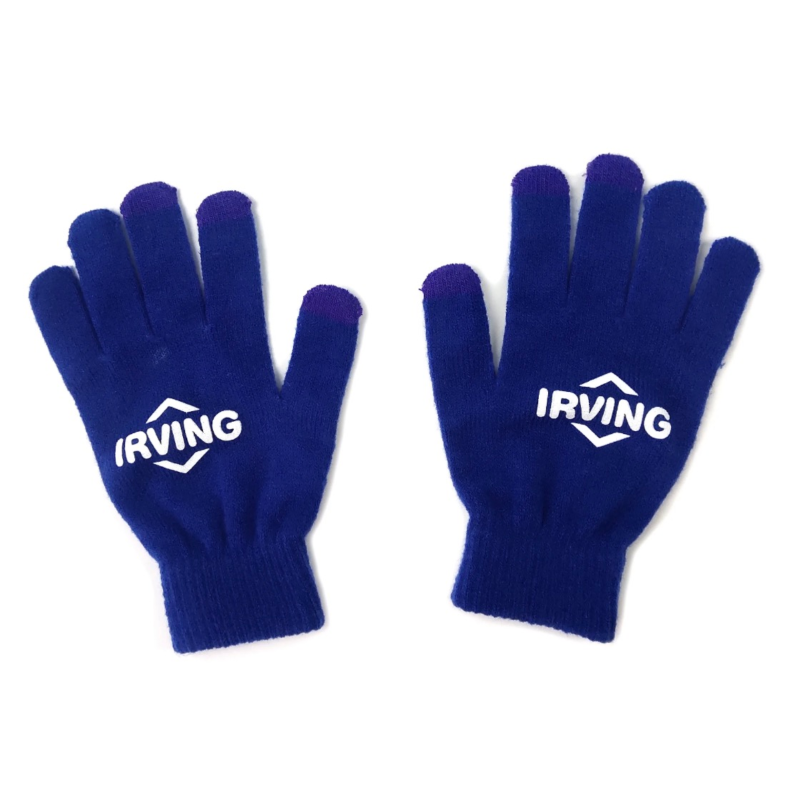
Industrial workplaces demand superior protection and functionality from personal protective equipment, with gloves serving as the first line of defense against workplace hazards. Manufacturing facilities across diverse sectors require specialized safety gloves that combine exceptional grip performance with comprehensive protection features. The evolution of industrial gloves has transformed from basic protective gear into sophisticated safety solutions that enhance worker productivity while maintaining stringent safety standards. Modern glove factories are continuously innovating to meet the complex demands of industrial environments where workers face chemical exposure, mechanical hazards, and environmental challenges.
The integration of advanced materials science and ergonomic design principles has revolutionized how protective gloves are manufactured and utilized in industrial settings. Contemporary safety gloves incorporate cutting-edge technologies that address specific workplace challenges while maintaining comfort during extended wear periods. Factory environments require gloves that can withstand rigorous daily use while providing reliable protection against various occupational hazards. The development of enhanced grip technologies and safety features represents a critical advancement in workplace safety equipment that directly impacts operational efficiency and worker wellbeing.
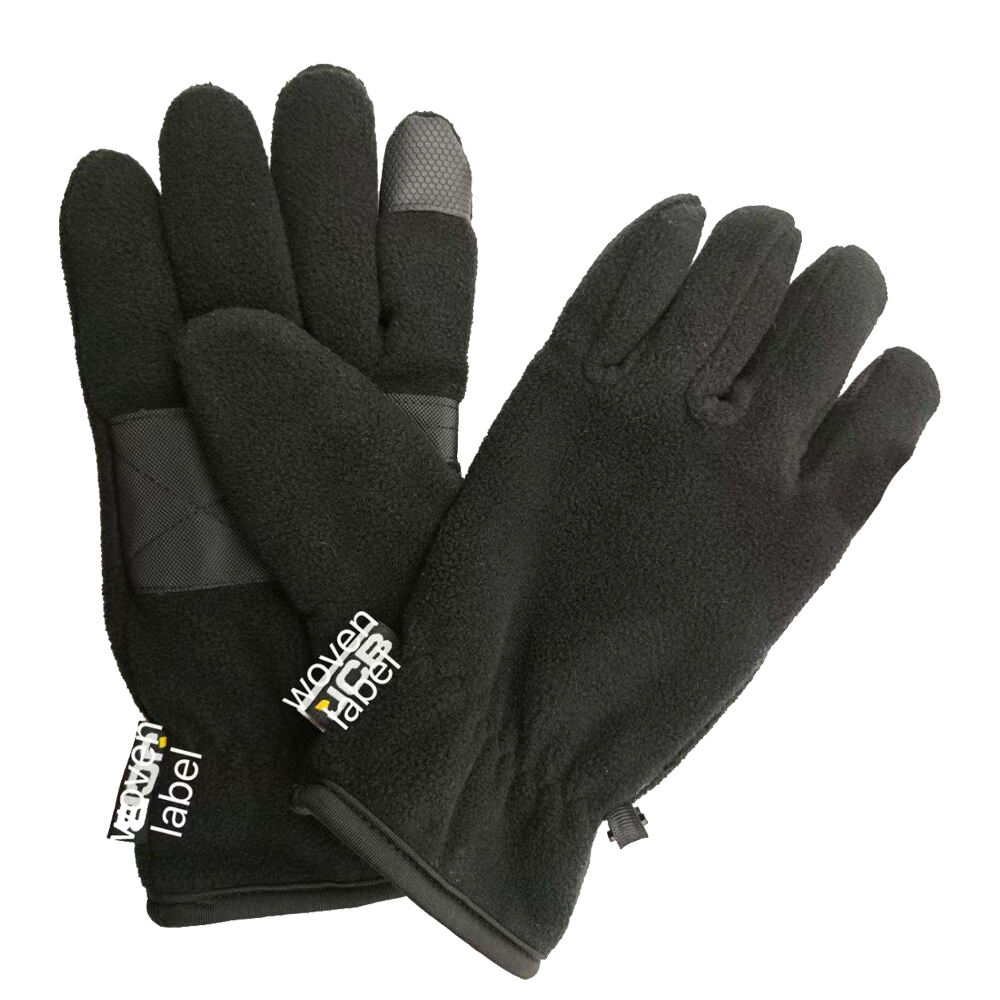
Advanced Materials and Manufacturing Technologies
Innovative Polymer Applications in Safety Gloves
Modern glove manufacturing leverages advanced polymer technologies to create superior protective barriers that maintain flexibility and tactile sensitivity. Nitrile compounds have become increasingly popular in industrial gloves due to their exceptional chemical resistance and puncture protection capabilities. These synthetic materials offer significant advantages over traditional latex alternatives, providing enhanced durability without compromising dexterity. The incorporation of specialized polymer blends allows manufacturers to customize gloves for specific industrial applications while maintaining consistent quality standards.
Thermoplastic elastomers represent another breakthrough in glove material technology, offering superior stretch recovery and resistance to environmental degradation. These materials enable the production of gloves that maintain their protective properties across extended temperature ranges and exposure conditions. Advanced polyurethane coatings provide exceptional grip performance while resisting oil and chemical penetration. The careful selection and application of these materials ensures that industrial workers receive optimal protection without sacrificing operational efficiency.
Precision Manufacturing Processes
State-of-the-art manufacturing facilities employ automated production systems that ensure consistent quality and performance characteristics in every pair of safety gloves. Computer-controlled dipping processes allow for precise coating thickness and uniform distribution of protective materials across the entire glove surface. These advanced manufacturing techniques eliminate variations that could compromise protection levels or grip performance. Quality control systems continuously monitor production parameters to maintain strict adherence to safety standards and specifications.
Sophisticated curing processes optimize the molecular structure of protective coatings, enhancing both durability and flexibility of finished gloves. Temperature and humidity control throughout the manufacturing process ensures optimal material properties and prevents defects that could compromise worker safety. Advanced testing protocols verify that each batch of gloves meets or exceeds industry safety standards before distribution. These comprehensive manufacturing approaches guarantee that industrial workers receive reliable protection equipment that performs consistently under demanding conditions.
Enhanced Grip Technology Development
Surface Texture Engineering
Revolutionary surface texturing techniques have transformed the grip capabilities of industrial safety gloves, enabling workers to maintain secure handling of tools and materials in challenging environments. Micro-pattern technology creates optimized surface configurations that channel liquids away from contact points while maximizing friction between the glove surface and handled objects. These engineered textures significantly improve grip performance in both dry and wet conditions, reducing the risk of workplace accidents caused by slipping objects.
Advanced laser texturing processes allow manufacturers to create precise surface patterns that enhance grip without compromising tactile sensitivity. These sophisticated texturing methods produce consistent surface characteristics that maintain their effectiveness throughout the glove's service life. The strategic placement of textured zones optimizes grip performance in high-stress areas while maintaining flexibility in regions requiring greater dexterity. This targeted approach ensures that gloves provide maximum functionality across diverse industrial applications.
Chemical Grip Enhancement Solutions
Innovative chemical formulations have enabled the development of grip-enhancing compounds that maintain their effectiveness across various environmental conditions. Specialized additives incorporated into glove coatings provide superior traction while resisting degradation from oils, chemicals, and environmental contaminants. These advanced formulations ensure consistent grip performance throughout the glove's operational lifespan, maintaining worker safety and productivity.
Hybrid coating systems combine multiple grip-enhancing technologies to create comprehensive solutions for demanding industrial applications. These multi-layer systems provide primary grip enhancement while incorporating secondary features such as cut resistance and chemical protection. The strategic layering of different materials creates synergistic effects that enhance overall glove performance beyond individual component capabilities. Such sophisticated coating systems represent the cutting edge of protective glove technology, offering industrial workers unprecedented levels of safety and functionality.
Safety Feature Integration and Testing
Multi-Hazard Protection Systems
Contemporary industrial gloves integrate multiple safety features to address the complex hazard profiles present in modern manufacturing environments. Cut-resistant fibers woven into glove construction provide mechanical protection while maintaining the flexibility necessary for precision tasks. These high-performance materials offer superior protection against sharp edges and cutting hazards without significantly increasing glove thickness or reducing dexterity. The integration of cut-resistant technologies ensures that workers can safely handle materials and tools that pose laceration risks.
Chemical barrier technologies incorporated into safety gloves protect workers from exposure to hazardous substances while maintaining breathability and comfort. Advanced membrane systems selectively block harmful chemicals while allowing moisture vapor transmission, preventing heat buildup during extended wear periods. These sophisticated barrier systems undergo rigorous testing to verify their effectiveness against specific chemical classes and concentrations. The combination of chemical protection with mechanical safeguards creates comprehensive safety solutions for complex industrial environments.
Performance Verification and Standards Compliance
Comprehensive testing protocols ensure that enhanced safety gloves meet or exceed international safety standards while providing reliable protection in real-world applications. Standardized test methods evaluate grip performance, puncture resistance, chemical permeation, and durability under controlled laboratory conditions. These rigorous evaluation processes verify that gloves maintain their protective properties throughout their intended service life. Independent testing laboratories provide objective verification of safety performance claims, ensuring regulatory compliance and worker protection.
Field testing programs complement laboratory evaluations by assessing glove performance under actual working conditions across various industrial sectors. These comprehensive evaluation methods provide valuable feedback for continuous improvement of safety features and performance characteristics. Real-world testing data helps manufacturers optimize glove designs for specific applications and environmental conditions. The combination of laboratory and field testing ensures that industrial workers receive safety equipment that performs reliably in their specific work environments.
Ergonomic Design and Comfort Optimization
Anatomical Fit Engineering
Advanced ergonomic design principles guide the development of safety gloves that conform naturally to hand anatomy while providing optimal protection and functionality. Three-dimensional hand scanning technologies enable manufacturers to create glove patterns that accommodate natural hand curvatures and joint movements. These sophisticated design approaches reduce hand fatigue during extended wear periods while maintaining full dexterity for precision tasks. Ergonomic optimization ensures that protective gloves enhance rather than hinder worker performance and comfort.
Biomechanical analysis informs the strategic placement of flexibility zones and reinforcement areas to optimize both protection and movement. These design considerations ensure that gloves provide maximum protection in high-risk areas while maintaining unrestricted movement in regions requiring fine motor control. The careful balance of protection and flexibility represents a critical advancement in protective glove design that directly impacts worker acceptance and compliance. Such thoughtful engineering approaches result in safety equipment that workers are more likely to use consistently and correctly.
Moisture Management and Breathability
Innovative moisture management systems integrated into industrial gloves prevent heat buildup and maintain comfort during prolonged use in demanding environments. Advanced wicking materials transport perspiration away from the skin while maintaining barrier protection against external hazards. These sophisticated moisture control systems prevent the accumulation of moisture that could compromise grip performance or create uncomfortable working conditions. Effective moisture management extends the practical wearing time for safety gloves while maintaining their protective effectiveness.
Breathable coating technologies allow air circulation while maintaining chemical and mechanical protection levels required for industrial applications. These permeable barrier systems represent significant technological advances that address the traditional compromise between protection and comfort. Strategic ventilation zones incorporated into glove designs provide targeted airflow without compromising safety performance. The integration of breathability features ensures that workers can maintain productivity and comfort throughout their work shifts while receiving necessary protection.
Quality Control and Manufacturing Standards
Automated Quality Assurance Systems
Modern glove manufacturing facilities employ sophisticated quality control systems that monitor every aspect of the production process to ensure consistent safety performance. Automated inspection systems utilize advanced imaging technology to detect defects that could compromise protective capabilities or user comfort. These comprehensive quality assurance protocols verify that each pair of gloves meets strict manufacturing specifications before packaging and distribution. Continuous monitoring throughout the production process enables immediate correction of any variations that could affect product quality.
Statistical process control methods provide real-time feedback on manufacturing performance, enabling proactive adjustments to maintain optimal quality levels. These data-driven approaches ensure that production processes remain within acceptable tolerance ranges while maximizing efficiency and consistency. Advanced quality management systems track performance trends and identify opportunities for continuous improvement in manufacturing processes. The implementation of rigorous quality control measures guarantees that industrial workers receive safety equipment that performs reliably and consistently.
Certification and Compliance Management
Comprehensive certification programs ensure that enhanced safety gloves comply with international standards and regulatory requirements across different markets and applications. Third-party testing laboratories verify that gloves meet specific performance criteria for various industrial hazards and environmental conditions. These independent verification processes provide objective confirmation of safety performance claims and regulatory compliance. Maintaining current certifications requires ongoing monitoring and testing to ensure continued compliance as standards evolve.
Documentation systems track the complete production history of each batch of gloves, enabling rapid response to any quality issues or safety concerns. These comprehensive record-keeping systems facilitate traceability and support continuous improvement initiatives throughout the manufacturing process. Regular audits by certification bodies verify ongoing compliance with safety standards and manufacturing best practices. The maintenance of strict certification standards ensures that industrial workers receive protective equipment that meets the highest safety and performance requirements.
Industry Applications and Customization
Sector-Specific Safety Solutions
Different industrial sectors present unique challenges that require specialized glove designs tailored to specific operational requirements and hazard profiles. Automotive manufacturing environments demand gloves that provide cut protection while maintaining the dexterity necessary for precision assembly operations. Chemical processing facilities require specialized barrier materials that resist specific chemical classes while providing adequate grip for handling containers and equipment. The customization of protective features ensures optimal safety performance across diverse industrial applications.
Food processing operations require gloves that meet strict hygiene standards while providing protection against cuts and chemical sanitizers. Electronics manufacturing demands anti-static properties and precise tactile sensitivity for handling delicate components. Construction and heavy industry applications prioritize mechanical protection and durability for handling rough materials and tools. These sector-specific requirements drive continuous innovation in glove design and manufacturing technologies to meet evolving workplace safety needs.
Custom Design and Branding Options
Advanced manufacturing capabilities enable the production of custom-designed gloves that incorporate specific performance features and corporate branding elements. Digital printing technologies allow for high-quality logo application and color customization without compromising protective properties or performance characteristics. These customization options help organizations maintain brand consistency while ensuring that workers receive appropriate protective equipment. Custom design services enable the optimization of glove features for specific operational requirements and environmental conditions.
Specialized sizing options accommodate diverse workforce demographics while maintaining consistent protection levels across all size ranges. Extended size ranges ensure proper fit for all workers, maximizing comfort and safety performance. Custom packaging solutions facilitate efficient distribution and inventory management while maintaining product integrity. These comprehensive customization services enable organizations to implement safety programs that address their specific operational requirements while maintaining high standards of worker protection.
FAQ
What materials provide the best grip enhancement for industrial gloves
The most effective grip enhancement materials for industrial gloves include nitrile compounds with specialized surface textures, polyurethane coatings with micro-patterns, and advanced polymer blends that maintain flexibility while providing superior traction. These materials are engineered to perform consistently across various environmental conditions including wet, oily, and dry surfaces. The selection of optimal grip materials depends on specific application requirements, environmental conditions, and the types of objects being handled in the workplace.
How do enhanced safety features impact glove durability and performance
Enhanced safety features typically improve overall glove durability by incorporating multiple layers of protection and advanced material technologies that resist wear and degradation. Cut-resistant fibers and chemical barrier systems actually extend glove lifespan by preventing damage from sharp objects and chemical exposure. Modern manufacturing techniques ensure that additional safety features are integrated without compromising flexibility or comfort, resulting in gloves that maintain their protective properties throughout extended use periods.
What testing standards apply to industrial safety gloves with enhanced features
Industrial safety gloves must comply with various international standards including ANSI/ISEA 105, EN 388 for mechanical hazards, and EN 374 for chemical protection. Enhanced gloves undergo additional testing for specific features such as cut resistance levels, puncture resistance, and chemical permeation rates. These comprehensive testing protocols ensure that enhanced safety features perform as specified and provide reliable protection under real-world working conditions. Regular retesting verifies ongoing compliance as manufacturing processes and materials evolve.
How can factories determine the most suitable gloves for their specific applications
Factories should conduct comprehensive hazard assessments to identify specific risks including mechanical hazards, chemical exposures, and environmental conditions present in their operations. Consultation with safety professionals and glove manufacturers helps match protective features to identified hazards while considering worker comfort and productivity requirements. Trial programs allow evaluation of different glove options under actual working conditions before making final selections. Regular review and updating of glove specifications ensures continued suitability as operations and safety standards evolve.
Table of Contents
- Advanced Materials and Manufacturing Technologies
- Enhanced Grip Technology Development
- Safety Feature Integration and Testing
- Ergonomic Design and Comfort Optimization
- Quality Control and Manufacturing Standards
- Industry Applications and Customization
-
FAQ
- What materials provide the best grip enhancement for industrial gloves
- How do enhanced safety features impact glove durability and performance
- What testing standards apply to industrial safety gloves with enhanced features
- How can factories determine the most suitable gloves for their specific applications