 EN
EN
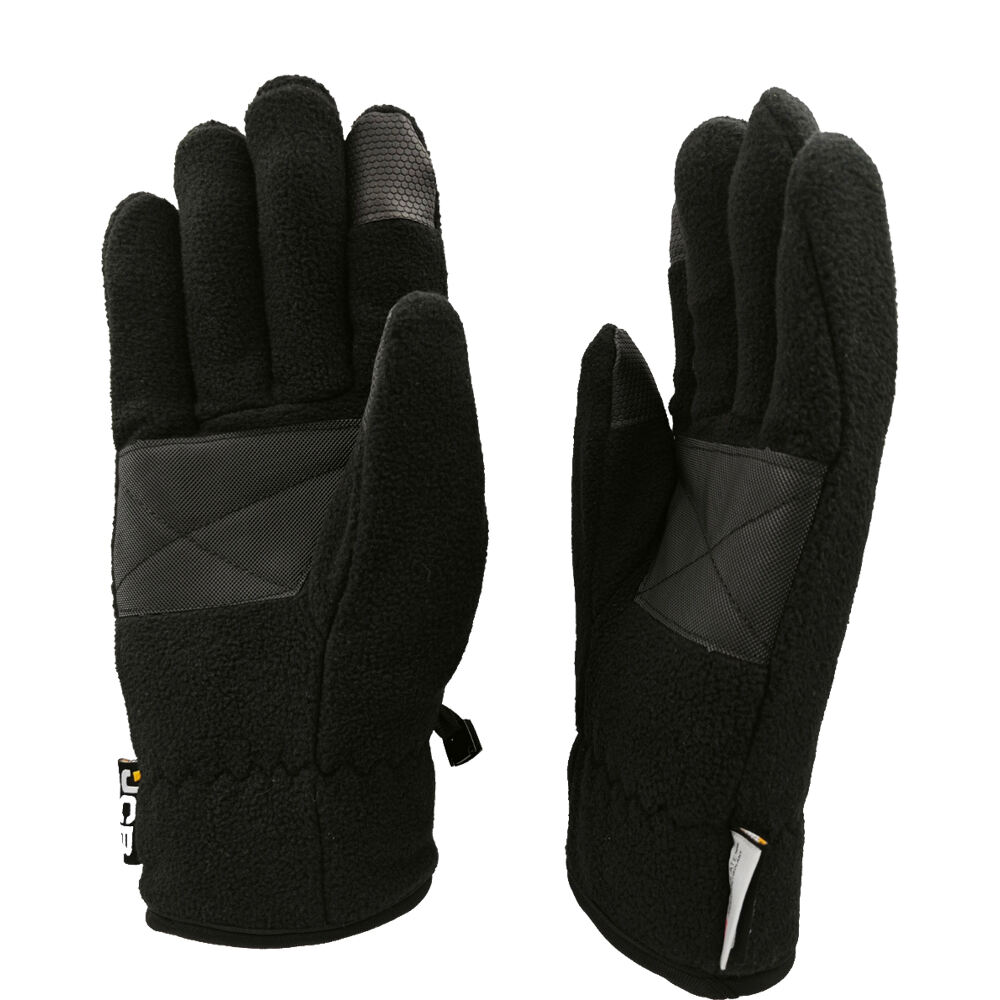
When B2B purchasers evaluate potential suppliers for workplace safety equipment, selecting the right gloves provider requires careful consideration of multiple critical factors. Industrial gloves serve as essential protective equipment across manufacturing, healthcare, construction, and countless other sectors where hand safety remains paramount. The decision to partner with a specific gloves manufacturer can significantly impact worker safety, operational efficiency, and overall cost-effectiveness. Understanding the key criteria for supplier evaluation ensures procurement teams make informed decisions that align with their organization's safety standards and budgetary requirements. Professional buyers must navigate through numerous supplier options while balancing quality expectations, compliance requirements, and long-term partnership potential.
Quality Standards and Certification Requirements
Industry Compliance and Safety Certifications
Quality assurance represents the cornerstone of effective gloves procurement, requiring suppliers to demonstrate adherence to internationally recognized safety standards. ANSI, EN, and ISO certifications provide essential benchmarks for evaluating protective performance across different industrial applications. Reputable gloves manufacturers maintain comprehensive testing protocols that verify puncture resistance, chemical compatibility, and durability under various working conditions. Procurement professionals should request detailed certification documentation and verify that testing procedures align with their specific operational hazards. Regular quality audits and batch testing ensure consistent performance standards throughout the supplier relationship.
Third-party testing laboratories provide independent verification of gloves performance characteristics, offering buyers additional confidence in product specifications. Cut resistance levels, chemical breakthrough times, and thermal protection ratings require precise measurement using standardized testing methodologies. Suppliers who invest in advanced testing equipment and maintain accredited quality management systems typically deliver more reliable protective equipment. Documentation should include test reports, material safety data sheets, and comprehensive performance specifications for each gloves model. Transparency in quality processes indicates a supplier's commitment to maintaining consistent safety standards.
Material Quality and Performance Specifications
Material selection directly impacts the protective effectiveness and durability of industrial gloves across different workplace environments. Natural rubber, nitrile, vinyl, and synthetic materials each offer distinct advantages depending on specific application requirements and potential exposure risks. High-quality suppliers provide detailed material specifications including tensile strength, elongation properties, and chemical resistance characteristics. Procurement teams must evaluate whether gloves materials align with their workplace hazards and performance expectations. Premium materials often justify higher initial costs through extended service life and enhanced protection capabilities.
Manufacturing processes significantly influence the final quality and consistency of protective gloves throughout production runs. Advanced manufacturing techniques ensure uniform thickness distribution, proper curing processes, and consistent sizing across product batches. Quality suppliers implement statistical process control measures that monitor critical quality parameters during production. Material traceability systems enable rapid identification and resolution of any quality issues that may arise. Buyers should inquire about manufacturing capabilities, production capacity, and quality control procedures before finalizing supplier agreements.
Supply Chain Reliability and Production Capacity
Manufacturing Scalability and Lead Times
Production capacity assessment ensures suppliers can consistently meet volume requirements without compromising quality standards or delivery schedules. Established gloves manufacturers typically maintain multiple production lines with adequate capacity to handle fluctuating demand patterns and urgent orders. Scalability becomes particularly important for growing businesses or seasonal industries that experience significant volume variations throughout the year. Procurement professionals should evaluate supplier production capabilities, backup manufacturing facilities, and contingency planning procedures. Reliable suppliers maintain buffer capacity to accommodate unexpected demand increases or supply chain disruptions.
Lead time management directly impacts inventory planning and operational continuity for businesses requiring consistent gloves availability. Experienced suppliers provide accurate delivery timelines and maintain transparent communication regarding production schedules and potential delays. Just-in-time delivery capabilities can reduce inventory carrying costs while ensuring adequate safety equipment availability. Suppliers should demonstrate proven track records of meeting delivery commitments and provide realistic lead time estimates for both standard and custom orders. Emergency order capabilities provide additional value for businesses operating in unpredictable environments.
Global Distribution and Logistics Capabilities
Distribution network strength determines a supplier's ability to serve multiple locations efficiently while maintaining consistent service quality across different markets. Comprehensive logistics capabilities include warehousing facilities, transportation partnerships, and international shipping expertise for global operations. Advanced gloves suppliers utilize sophisticated inventory management systems that optimize stock levels and minimize delivery times to end customers. Regional distribution centers can significantly reduce shipping costs and delivery times for businesses with widespread operations. Procurement teams should evaluate supplier distribution coverage and logistics capabilities relative to their geographic requirements.
Supply chain transparency enables better risk assessment and contingency planning for potential disruptions that could impact gloves availability. Reliable suppliers maintain diversified raw material sources and manufacturing locations to minimize dependency on single points of failure. Comprehensive supply chain mapping helps identify potential vulnerabilities and develop appropriate mitigation strategies. Suppliers should provide clear visibility into their supply chain structure and demonstrate robust risk management practices. Regular supply chain assessments ensure continued reliability as business requirements evolve over time.

Cost Structure and Value Proposition Analysis
Total Cost of Ownership Considerations
Total cost analysis extends beyond initial purchase prices to encompass long-term value factors including durability, performance consistency, and administrative costs. High-quality gloves often provide superior cost-effectiveness through extended service life and reduced replacement frequency compared to lower-priced alternatives. Administrative efficiency factors such as simplified ordering processes, consolidated billing, and inventory management support can generate significant operational savings. Procurement professionals must evaluate the complete cost structure including shipping, handling, and potential premium charges for expedited orders. Value-added services such as training, technical support, and customization capabilities contribute to overall partnership value.
Price stability and transparent pricing structures enable more accurate budget planning and cost control throughout multi-year supplier relationships. Reputable gloves suppliers provide clear pricing policies, volume discounts, and contract terms that protect buyers from unexpected price fluctuations. Long-term agreements often secure favorable pricing while ensuring consistent supply availability during market volatility periods. Buyers should negotiate comprehensive service level agreements that define performance expectations, delivery requirements, and pricing mechanisms. Regular cost reviews ensure continued competitiveness and alignment with market conditions.
Volume Discounts and Contract Flexibility
Volume-based pricing structures reward larger purchases while providing suppliers with predictable revenue streams and production planning advantages. Flexible contract terms accommodate changing business requirements and seasonal demand variations without penalizing buyers for reasonable volume adjustments. Progressive discount tiers encourage consolidated purchasing while maintaining competitive unit costs across different volume levels. Suppliers should offer transparent volume thresholds and clearly defined discount structures that align with buyer purchasing patterns. Contract flexibility provisions enable modifications for new product requirements or changing operational needs.
Payment terms and financial stability considerations impact cash flow management and overall supplier relationship dynamics throughout extended partnerships. Competitive payment terms reflect supplier confidence in their products and services while supporting buyer cash flow optimization. Financial stability assessments help ensure supplier viability and continued service capability over multi-year contract periods. Credit terms, early payment discounts, and flexible billing arrangements provide additional value for established business relationships. Procurement teams should evaluate supplier financial health and payment flexibility as part of comprehensive supplier selection criteria.
Technical Support and Customer Service Excellence
Product Selection Guidance and Application Support
Technical expertise enables suppliers to recommend appropriate gloves solutions based on specific workplace hazards and performance requirements across diverse industrial applications. Knowledgeable technical representatives provide valuable consultation services that help buyers optimize protection levels while managing costs effectively. Application-specific recommendations consider factors such as chemical exposure, mechanical hazards, dexterity requirements, and comfort preferences. Comprehensive product selection tools and decision matrices simplify the evaluation process for complex safety requirements. Ongoing technical support ensures optimal product performance throughout the entire usage lifecycle.
Training programs and educational resources help end users maximize gloves effectiveness while maintaining proper safety protocols in workplace environments. Experienced suppliers provide comprehensive training materials, safety guidelines, and best practice recommendations for different industrial applications. On-site training sessions and safety consultations demonstrate supplier commitment to customer success beyond basic product delivery. Regular safety updates and industry trend information keep buyers informed about emerging protective technologies and regulatory changes. Educational support contributes to improved safety outcomes and reduced workplace injury rates.
Responsive Customer Service and Problem Resolution
Responsive customer service capabilities ensure prompt resolution of issues and seamless communication throughout ongoing supplier relationships. Dedicated account management provides single points of contact for order management, technical questions, and service coordination. Multi-channel communication options including phone, email, and online portals accommodate different customer preferences and urgency levels. Rapid response times for inquiries and concerns demonstrate supplier commitment to customer satisfaction and partnership success. Proactive communication regarding order status, delivery schedules, and potential issues prevents problems before they impact operations.
Problem resolution procedures and escalation protocols ensure efficient handling of quality issues, delivery problems, or service concerns that may arise during normal business operations. Established suppliers maintain comprehensive complaint handling systems with clear timelines and accountability measures for issue resolution. Return and exchange policies provide flexibility for addressing product defects or specification mismatches without excessive administrative burden. Continuous improvement processes incorporate customer feedback to enhance products and services over time. Effective problem resolution capabilities strengthen long-term partnerships and build confidence in supplier reliability.
Customization Capabilities and Innovation Support
Product Customization and Private Labeling Options
Customization capabilities enable suppliers to adapt standard gloves products for specific applications or branding requirements without compromising safety performance standards. Private labeling services provide opportunities for distributors and large end users to develop branded safety equipment that reinforces their corporate identity. Custom sizing options accommodate diverse workforce demographics and specific fit requirements that enhance comfort and protection effectiveness. Color coding and marking capabilities support workplace organization systems and safety compliance protocols. Flexible customization processes demonstrate supplier willingness to partner closely with customers for mutual success.
Design modification capabilities allow suppliers to adapt existing products for unique applications or incorporate customer-specific performance requirements into standard offerings. Custom packaging options support inventory management systems and reduce handling costs for large-volume users. Prototype development services enable testing and validation of new concepts before committing to full production runs. Collaborative design processes ensure customer input throughout product development while maintaining safety compliance and performance standards. Innovation partnerships create opportunities for developing next-generation protective solutions that address emerging workplace hazards.
Technology Integration and Future Innovation
Technology integration capabilities demonstrate supplier commitment to advancing protective equipment performance through innovative materials and manufacturing processes. Smart gloves technologies incorporating sensors and connectivity features provide enhanced safety monitoring and data collection capabilities. Advanced material research and development programs ensure suppliers remain competitive with emerging protective technologies and performance requirements. Sustainability initiatives including recyclable materials and environmentally responsible manufacturing processes align with corporate social responsibility objectives. Forward-thinking suppliers invest in research and development to anticipate future market needs and regulatory requirements.
Innovation partnerships with material suppliers, research institutions, and technology companies accelerate development of next-generation protective equipment solutions. Regular product line updates and performance improvements demonstrate ongoing commitment to advancing safety technology and customer value. Industry trend analysis and market research capabilities help suppliers anticipate changing customer needs and regulatory requirements. Collaborative innovation programs provide customers with early access to emerging technologies and influence over product development priorities. Long-term innovation strategies ensure continued supplier competitiveness and customer value throughout extended partnership relationships.
FAQ
What certifications should I look for when evaluating gloves suppliers?
Key certifications to evaluate include ANSI/ISEA standards for cut resistance, EN standards for European compliance, and ISO 9001 for quality management systems. Additionally, look for third-party testing certifications from recognized laboratories, FDA approvals for food-grade applications when applicable, and industry-specific certifications relevant to your particular use case. Suppliers should provide comprehensive documentation demonstrating compliance with applicable safety standards and regulatory requirements for your specific applications.
How can I assess a supplier's production capacity and reliability?
Request detailed information about manufacturing facilities, production line capabilities, and historical performance data including on-time delivery rates and quality metrics. Evaluate backup production capacity, contingency planning procedures, and supply chain diversification strategies. Ask for customer references and conduct site visits when possible to verify production capabilities firsthand. Review financial stability indicators and assess the supplier's track record during previous market disruptions or high-demand periods.
What factors should I consider when comparing gloves pricing from different suppliers?
Evaluate total cost of ownership including product durability, replacement frequency, shipping costs, and administrative expenses rather than focusing solely on unit prices. Consider volume discounts, contract terms, payment options, and price stability guarantees over the contract period. Factor in value-added services such as technical support, training, inventory management assistance, and customization capabilities. Analyze the relationship between price and quality to ensure optimal value for your specific performance requirements and budget constraints.
How important is geographic location when selecting a gloves supplier?
Geographic location impacts shipping costs, delivery times, and supply chain risk management but should be balanced against other critical factors such as quality and service capabilities. Consider suppliers with regional distribution centers or manufacturing facilities that can provide faster delivery and reduced transportation costs. Evaluate time zone compatibility for customer service and technical support requirements. Assess potential trade restrictions, customs procedures, and currency fluctuation risks for international suppliers while considering the benefits of geographic diversification for supply chain resilience.