 EN
EN
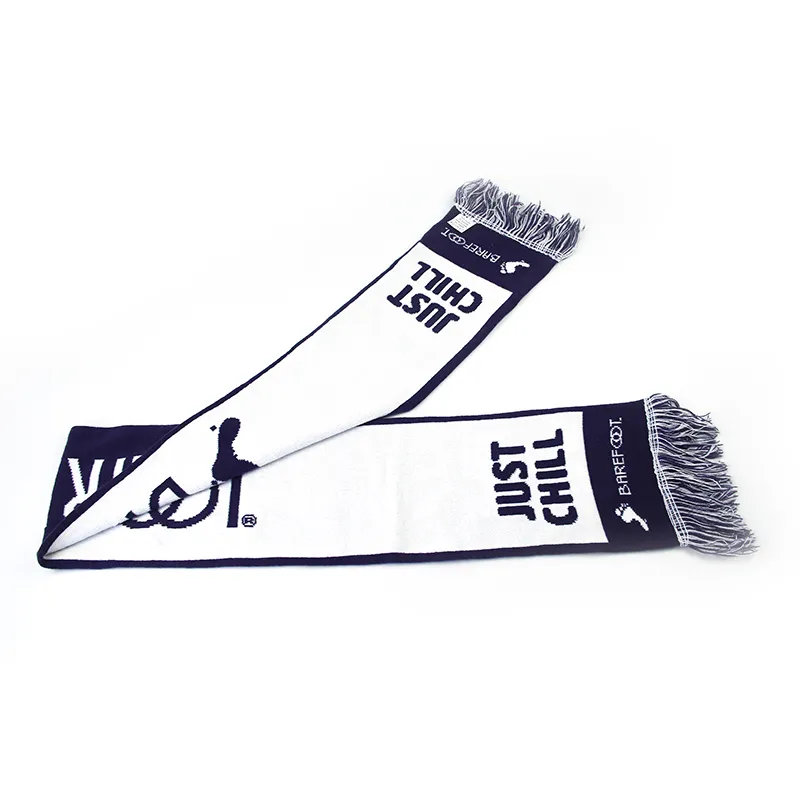
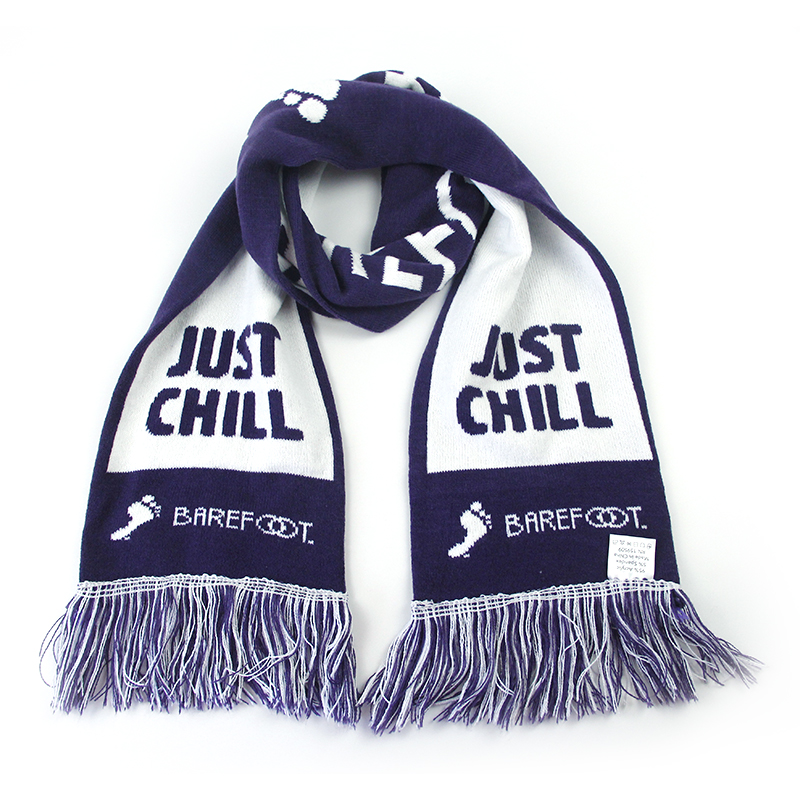
The textile industry has witnessed remarkable innovations in yarn blending techniques, particularly in the production of warm winter accessories. A knitted scarf manufacturing facility faces unique challenges when balancing aesthetic appeal with thermal performance, requiring sophisticated understanding of fiber properties and blending methodologies. Modern factories are increasingly adopting advanced yarn composition strategies to create superior warmth retention while maintaining the soft texture and durability that consumers expect from high-quality winter wear.
Yarn blending represents a critical manufacturing process that directly impacts the thermal efficiency of the final product. By combining different fiber types in precise ratios, manufacturers can achieve optimal warmth-to-weight ratios while addressing various performance requirements such as moisture management, breathability, and comfort. The science behind effective yarn blending involves understanding how individual fiber characteristics complement each other to create a superior composite material that outperforms single-fiber alternatives.
Understanding Fiber Properties for Enhanced Warmth
Natural Fiber Characteristics
Natural fibers such as wool, cashmere, and alpaca possess inherent thermal properties that make them excellent candidates for warm knitted scarf production. Wool fibers contain microscopic air pockets that trap warm air close to the skin, creating an insulating barrier against cold temperatures. The crimped structure of wool fibers creates additional air spaces within the yarn, enhancing the overall thermal retention capabilities of the finished garment.
Cashmere fibers offer exceptional softness combined with remarkable insulation properties due to their fine diameter and natural crimp. The hollow structure of these premium fibers allows for superior air trapping while maintaining a lightweight feel. Alpaca wool provides water-repellent qualities along with excellent warmth retention, making it particularly valuable for outdoor applications where moisture resistance is essential.
Synthetic Fiber Integration
Modern synthetic fibers bring unique advantages to knitted scarf production through their engineered properties and consistent performance characteristics. Polyester fibers can be manufactured with hollow cores specifically designed to trap air and enhance insulation while providing dimensional stability and durability. Acrylic fibers offer wool-like properties at a more accessible price point, making warm accessories available to broader consumer segments.
Advanced synthetic materials such as microfibers and performance polymers can be integrated into yarn blends to improve specific characteristics like moisture-wicking, quick-drying, or enhanced thermal regulation. These engineered fibers often complement natural materials by addressing their limitations while preserving their desirable qualities.
Strategic Yarn Blending Techniques
Ratio Optimization Methods
Determining the optimal fiber ratio in a knitted scarf blend requires careful consideration of multiple factors including target warmth level, cost constraints, and aesthetic requirements. A common approach involves using 60-70% natural insulating fibers combined with 20-30% synthetic reinforcement fibers and 10-20% specialty additives for specific performance enhancement. This balanced composition typically provides excellent warmth retention while maintaining structural integrity and visual appeal.
Manufacturers often employ graduated blending techniques where different sections of the knitted scarf contain varying fiber ratios based on their intended function. Areas that come into direct contact with skin might contain higher percentages of soft, natural fibers, while outer layers could incorporate more synthetic materials for durability and weather resistance.
Blending Process Control
The mechanical blending process significantly impacts the final yarn quality and thermal performance of the knitted scarf. Card blending creates a more uniform distribution of different fiber types, resulting in consistent thermal properties throughout the yarn. This method works particularly well when combining fibers of similar length and diameter, ensuring even distribution and preventing fiber separation during subsequent processing.
Combed blending techniques produce smoother, stronger yarns with enhanced thermal efficiency by aligning fiber structures and removing short fibers that could compromise insulation properties. The combing process also allows for more precise control over fiber distribution, enabling manufacturers to create yarns with specific thermal zones or gradient properties that enhance overall warmth performance.
Advanced Thermal Enhancement Strategies
Air Trapping Optimization
Maximizing air trapping capabilities within the yarn structure represents a fundamental approach to improving knitted scarf warmth. Manufacturers can achieve this by incorporating crimped fibers that create three-dimensional spaces within the yarn matrix, effectively increasing the insulating air volume. The selection of fibers with complementary crimp patterns allows for optimal air pocket formation while maintaining yarn integrity and knitting performance.
Hollow fiber integration offers another effective method for enhancing thermal performance through increased air content. These specialized fibers contain internal air chambers that provide insulation without adding significant weight to the finished knitted scarf. The hollow construction also contributes to improved moisture management by allowing vapor transmission while maintaining thermal barriers.
Surface Treatment Applications
Chemical and mechanical surface treatments can significantly enhance the thermal properties of yarn blends used in knitted scarf production. Brushing treatments create raised fiber surfaces that trap additional air and provide a softer hand feel while improving insulation capabilities. These treatments can be applied selectively to specific fiber types within the blend to maximize their thermal contribution.
Coating applications using microscopic insulating particles can further enhance yarn thermal performance without significantly altering the knitting properties. These treatments work particularly well with synthetic fiber components, allowing manufacturers to boost insulation levels while maintaining the natural feel and appearance of traditional materials.
Quality Control and Testing Protocols
Thermal Performance Measurement
Implementing comprehensive thermal testing protocols ensures that yarn blending modifications actually improve knitted scarf warmth performance. Thermal conductivity testing measures how effectively the yarn blend resists heat transfer, providing quantitative data on insulation capabilities. These measurements allow manufacturers to optimize fiber ratios and blending techniques based on objective performance criteria rather than subjective assessments.
Air permeability testing evaluates how well the yarn structure manages airflow while maintaining insulation properties. A knitted scarf must balance thermal retention with breathability to prevent moisture accumulation that could compromise warmth and comfort. Testing protocols help identify optimal porosity levels that maximize thermal efficiency while ensuring user comfort.
Durability Assessment
Long-term thermal performance stability requires thorough durability testing to ensure that knitted scarf warmth properties remain consistent throughout the product lifecycle. Washing and wear simulation tests evaluate how fiber blends maintain their thermal characteristics after repeated cleaning cycles and normal use conditions. These assessments help manufacturers select fiber combinations that provide sustained warmth performance.
Pilling resistance and dimensional stability testing ensure that the enhanced thermal properties do not compromise other essential performance characteristics. A knitted scarf must maintain its shape, appearance, and thermal efficiency throughout extended use, requiring careful balance between warmth enhancement and overall product durability.
Manufacturing Implementation Considerations
Equipment Modifications
Upgrading blending equipment to accommodate enhanced yarn compositions may require significant capital investment but can yield substantial improvements in knitted scarf thermal performance. Modern blending systems offer precise fiber ratio control and improved mixing uniformity, enabling manufacturers to achieve consistent thermal properties across production runs. These systems also provide greater flexibility in experimenting with new fiber combinations and blend ratios.
Knitting machinery adjustments may be necessary to accommodate yarns with different thermal enhancement treatments or fiber compositions. Modified tension settings, needle selections, and stitch formations can help optimize the thermal properties of the finished knitted scarf while maintaining production efficiency and quality standards.
Production Process Optimization
Streamlining production workflows to incorporate enhanced yarn blending techniques requires careful planning and operator training. Quality control checkpoints must be established at critical stages to ensure that thermal enhancement measures do not introduce defects or compromise other product characteristics. Documentation of successful blending parameters enables consistent reproduction of optimal thermal performance.
Cost-benefit analysis of various enhancement techniques helps manufacturers select the most economically viable approaches to improving knitted scarf warmth. Some thermal improvement methods may require minimal investment while providing significant performance gains, while others might offer incremental improvements at higher costs. Strategic implementation focuses resources on techniques that provide the greatest thermal enhancement value.
FAQ
What fiber combinations provide the best warmth in knitted scarves?
The optimal fiber combination for maximum warmth typically includes 50-60% merino wool or cashmere for natural insulation, 20-30% hollow polyester for lightweight thermal enhancement, and 10-20% alpaca or mohair for moisture resistance and additional insulation. This blend provides excellent thermal retention while maintaining comfort and durability. The specific ratio may vary depending on intended use conditions and target price points.
How does yarn twist affect the thermal properties of knitted scarves?
Yarn twist significantly impacts thermal performance by influencing air trapping capabilities and fiber alignment within the knitted scarf structure. Lower twist levels generally provide better insulation by allowing more air to be trapped between loosely arranged fibers, while higher twist creates denser, more durable yarns with reduced thermal efficiency. Optimal twist levels balance warmth requirements with structural integrity and knitting performance needs.
Can synthetic fibers match the warmth of natural materials in knitted scarves?
Advanced synthetic fibers can achieve comparable or superior thermal performance to natural materials through engineered hollow structures and specialized surface treatments. Modern polyester and acrylic fibers designed for thermal applications often outperform traditional natural fibers in specific conditions, particularly when moisture resistance is important. However, natural fibers typically provide better comfort and breathability, making blended approaches most effective for comprehensive performance.
What testing methods ensure consistent thermal performance in knitted scarf production?
Thermal conductivity testing, air permeability measurement, and insulation value assessment provide quantitative data on knitted scarf warmth performance. Standardized test methods such as ASTM thermal testing protocols ensure consistent evaluation across different production batches. Regular quality control testing throughout the manufacturing process helps identify variations in thermal properties and enables corrective adjustments to maintain optimal warmth characteristics.
Table of Contents
- Understanding Fiber Properties for Enhanced Warmth
- Strategic Yarn Blending Techniques
- Advanced Thermal Enhancement Strategies
- Quality Control and Testing Protocols
- Manufacturing Implementation Considerations
-
FAQ
- What fiber combinations provide the best warmth in knitted scarves?
- How does yarn twist affect the thermal properties of knitted scarves?
- Can synthetic fibers match the warmth of natural materials in knitted scarves?
- What testing methods ensure consistent thermal performance in knitted scarf production?