 EN
EN
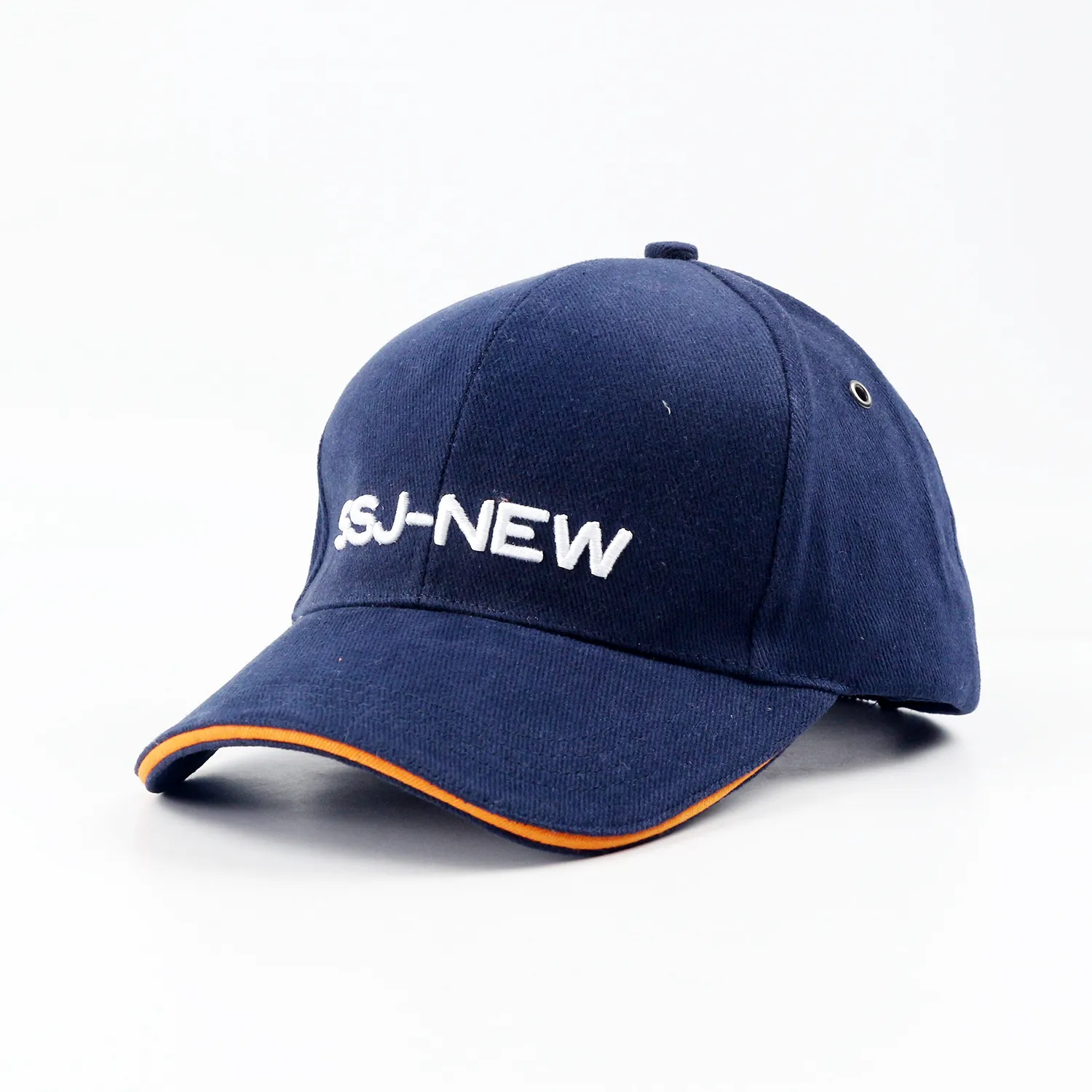
Material engineering has revolutionized the manufacturing landscape across industries, and the sport cap production sector stands as a prime example of this transformation. Modern factories are discovering that the strategic selection and engineering of materials can dramatically enhance both production efficiency and final product quality. When manufacturers focus on advanced fabric technologies, moisture-wicking properties, and structural durability, they unlock new levels of performance that directly translate to market competitiveness and customer satisfaction.
Advanced Fabric Technologies in Sport Cap Manufacturing
Synthetic Fiber Integration and Performance Benefits
The integration of synthetic fibers represents a fundamental shift in how manufacturers approach sport cap construction. Modern polyester blends offer superior dimensional stability compared to traditional cotton materials, ensuring that caps maintain their shape through multiple wash cycles and extended wear periods. These engineered fabrics resist shrinkage, fading, and stretching, which are common issues that plague conventional manufacturing processes. Factory operations benefit from reduced defect rates and improved consistency in final product dimensions when utilizing these advanced synthetic materials.
Microfiber technology has emerged as another game-changing innovation in sport cap production. These ultra-fine synthetic fibers create fabrics with enhanced breathability while maintaining structural integrity. The microscopic fiber diameter allows for increased air permeability without compromising the fabric's ability to hold embroidered logos or printed designs. This combination of breathability and durability makes microfiber-based materials particularly valuable for athletic and performance-oriented sport cap designs.
Smart Fabric Applications and Functional Enhancements
Smart fabrics incorporating phase-change materials represent the cutting edge of sport cap engineering. These materials actively regulate temperature by absorbing, storing, and releasing heat as environmental conditions change. For sport cap manufacturers, this technology opens new market segments focused on performance athletics and outdoor activities. The integration of phase-change materials requires specialized manufacturing processes but delivers significant value proposition improvements that justify premium pricing strategies.
Antimicrobial treatments embedded within fabric structures provide another avenue for performance enhancement. These treatments inhibit bacterial growth and odor formation, extending the usable life of each sport cap while improving user comfort. Manufacturing facilities implementing antimicrobial fabric technologies often report increased customer retention rates and reduced product returns, demonstrating the tangible business benefits of advanced material engineering approaches.
Moisture Management Systems and Technical Innovation
Wicking Technology Implementation and Production Advantages
Moisture-wicking technologies transform how sport cap materials interact with perspiration and environmental humidity. Hydrophobic fiber treatments create surfaces that actively repel moisture while hydrophilic channels transport liquid away from the skin. This dual-action approach ensures that sport cap wearers experience consistent comfort even during intense physical activity. Manufacturing facilities benefit from reduced quality complaints and increased product differentiation when implementing these advanced moisture management systems.
The production process for moisture-wicking fabrics requires precise chemical application and curing protocols. Temperature control during the treatment phase becomes critical for achieving consistent wicking performance across production batches. Quality control systems must include moisture absorption testing and drying rate measurements to ensure that each sport cap meets specified performance standards. These enhanced testing protocols initially increase production costs but ultimately deliver superior product consistency and market positioning advantages.
Ventilation Enhancement Through Material Design
Strategic material placement and engineered ventilation zones significantly improve sport cap comfort and performance characteristics. Mesh inserts manufactured from specialized polyester or nylon blends provide targeted airflow while maintaining overall structural integrity. The positioning of these ventilation elements requires careful consideration of both functional performance and aesthetic appeal, as consumers expect high-performance features to integrate seamlessly with attractive design elements.
Advanced knitting techniques enable manufacturers to create variable density fabrics within single material panels. These gradient structures provide enhanced ventilation in high-heat zones while maintaining opacity and durability in areas requiring structural support. The implementation of such sophisticated knitting processes requires upgraded equipment and operator training, but the resulting products command premium market positions and improved profit margins.
Durability Engineering and Long-Term Performance
Stress-Point Reinforcement and Construction Techniques
Strategic reinforcement of high-stress areas represents a critical aspect of sport cap durability engineering. The crown seams, bill attachment points, and adjustment mechanisms experience the greatest mechanical stress during normal use. Advanced manufacturers utilize specialized reinforcement materials such as ripstop nylon or aramid fiber blends at these critical junctions. These reinforcement strategies significantly extend product lifespan while reducing warranty claims and customer service issues.
Heat-sealed seam technologies offer alternatives to traditional stitching in areas where water resistance becomes important. These sealed construction methods eliminate potential failure points while creating sport cap designs that perform effectively in challenging weather conditions. The implementation of heat-sealing equipment requires initial capital investment but delivers long-term advantages through reduced labor costs and improved product consistency across production runs.
UV Resistance and Color Stability Technologies
Ultraviolet radiation represents one of the primary degradation factors affecting outdoor sport cap performance. Advanced UV-resistant treatments protect both fabric integrity and color stability over extended exposure periods. Solution-dyed synthetic fibers offer superior color fastness compared to piece-dyed alternatives, as the colorant becomes integrated into the fiber structure rather than applied as a surface treatment. This fundamental difference in coloration approach dramatically improves fade resistance and extends the attractive appearance of each sport cap.
Photostabilizer additives embedded within synthetic fiber matrices provide additional protection against UV-induced degradation. These molecular-level protective systems absorb harmful radiation and convert it to harmless heat energy, preventing polymer chain breakdown that leads to fabric weakness and discoloration. Manufacturing facilities incorporating photostabilized materials often experience reduced customer complaints regarding premature aging and color loss, leading to improved brand reputation and repeat purchase rates.
Production Efficiency Through Material Innovation
Automation-Compatible Material Properties
Modern sport cap manufacturing increasingly relies on automated cutting, sewing, and assembly systems to maintain competitive pricing and consistent quality standards. Materials engineered for automation compatibility exhibit predictable behavior during mechanical handling and processing operations. Fabric stability under tension, consistent thickness tolerances, and uniform stretch properties become critical parameters for successful automated production systems.
Die-cutting precision depends heavily on material edge stability and resistance to fraying during the cutting process. Thermoplastic fibers that seal cleanly when cut eliminate the need for separate edge finishing operations, reducing production steps and associated labor costs. Similarly, fabrics with consistent stretch recovery properties ensure that automated assembly operations produce sport cap components with predictable dimensions and fit characteristics.
Quality Control Integration and Material Traceability
Advanced material engineering enables sophisticated quality control systems that monitor product characteristics throughout the manufacturing process. Smart fabrics incorporating conductive fibers can provide real-time feedback regarding structural integrity and performance parameters. This continuous monitoring capability allows manufacturers to identify potential issues before they result in defective products, reducing waste and improving overall production efficiency.
Material lot tracking systems become increasingly important as fabric technologies become more sophisticated and specialized. Digital identification systems embedded within material rolls enable complete traceability from raw material reception through final product shipment. This comprehensive tracking capability supports quality investigations, facilitates targeted recalls when necessary, and enables continuous improvement efforts based on detailed performance data analysis.
Market Differentiation Through Advanced Materials
Premium Positioning and Performance Claims
Advanced material engineering enables sport cap manufacturers to develop products with measurable performance advantages that support premium pricing strategies. Quantifiable benefits such as moisture wicking rates, UV protection factors, and durability test results provide concrete value propositions that differentiate products in competitive markets. These technical specifications become powerful marketing tools that justify higher retail prices and improved profit margins for both manufacturers and retail partners.
Third-party testing certifications validate performance claims and build consumer confidence in advanced material technologies. Independent laboratory verification of moisture management, UV protection, and durability characteristics provides credible support for marketing messages. The investment in comprehensive testing programs typically returns significant value through improved market positioning and reduced customer skepticism regarding performance benefits.
Sustainability Integration and Environmental Benefits
Recycled fiber integration represents an increasingly important aspect of sport cap material engineering. Post-consumer plastic bottles converted to polyester fibers offer comparable performance characteristics to virgin materials while providing significant environmental benefits. Manufacturing facilities implementing recycled content programs often experience improved public relations outcomes and access to environmentally conscious market segments that command premium pricing.
Biodegradable material alternatives emerging from agricultural waste streams provide another avenue for environmental differentiation. These bio-based materials require specialized processing techniques but offer unique marketing advantages in sustainability-focused market segments. The development of biodegradable sport cap materials represents a significant technical challenge but opens new opportunities for manufacturers committed to environmental leadership.
FAQ
What specific materials provide the best moisture-wicking performance for sport caps
Synthetic polyester blends with hydrophobic treatments deliver superior moisture-wicking performance compared to natural fibers. Microfiber polyester creates optimal capillary action for moisture transport, while specialized chemical treatments enhance water repellency. Combinations of polyester and elastane provide both moisture management and comfortable stretch properties that improve overall sport cap performance during athletic activities.
How do advanced materials impact sport cap production costs and pricing
High-performance materials typically increase raw material costs by 15-30% compared to standard cotton or basic polyester options. However, these advanced materials often reduce production defects, improve consistency, and enable premium pricing that more than compensates for higher input costs. Manufacturers frequently achieve 20-40% higher profit margins on sport cap products utilizing engineered materials with validated performance benefits.
What testing methods verify the performance of engineered sport cap materials
Standardized testing protocols include ASTM moisture management tests, UV transmission measurements, and accelerated aging assessments for durability verification. Colorfastness testing using xenon arc exposure simulates long-term sun exposure effects. Mechanical testing evaluates tensile strength, tear resistance, and dimensional stability under various stress conditions. These comprehensive testing programs ensure that sport cap materials meet specified performance standards consistently.
How can small sport cap manufacturers implement advanced material technologies
Smaller manufacturers can access advanced materials through specialized textile suppliers that offer pre-treated fabrics with enhanced performance characteristics. Partnerships with material suppliers often provide technical support and smaller minimum order quantities suitable for limited production volumes. Focusing on specific performance niches allows smaller sport cap producers to compete effectively against larger manufacturers while building expertise in specialized material applications.
Table of Contents
- Advanced Fabric Technologies in Sport Cap Manufacturing
- Moisture Management Systems and Technical Innovation
- Durability Engineering and Long-Term Performance
- Production Efficiency Through Material Innovation
- Market Differentiation Through Advanced Materials
-
FAQ
- What specific materials provide the best moisture-wicking performance for sport caps
- How do advanced materials impact sport cap production costs and pricing
- What testing methods verify the performance of engineered sport cap materials
- How can small sport cap manufacturers implement advanced material technologies