 EN
EN
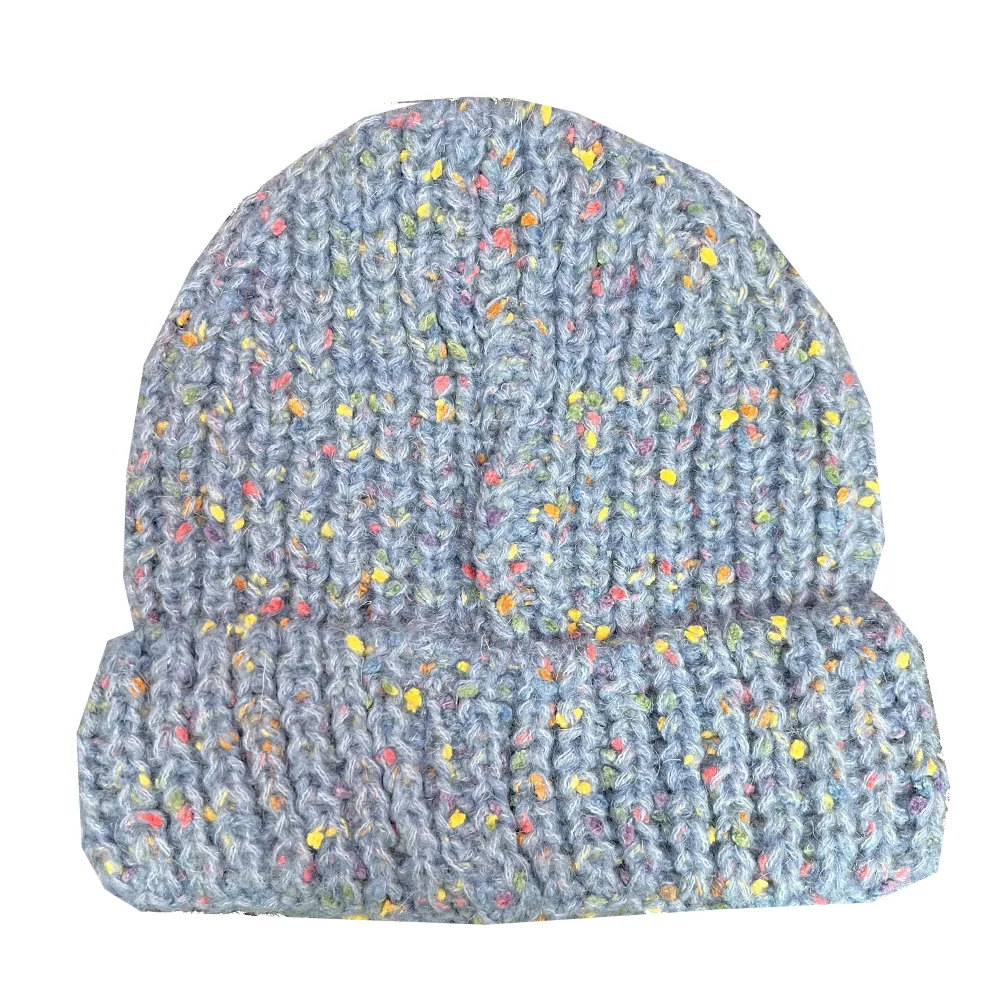
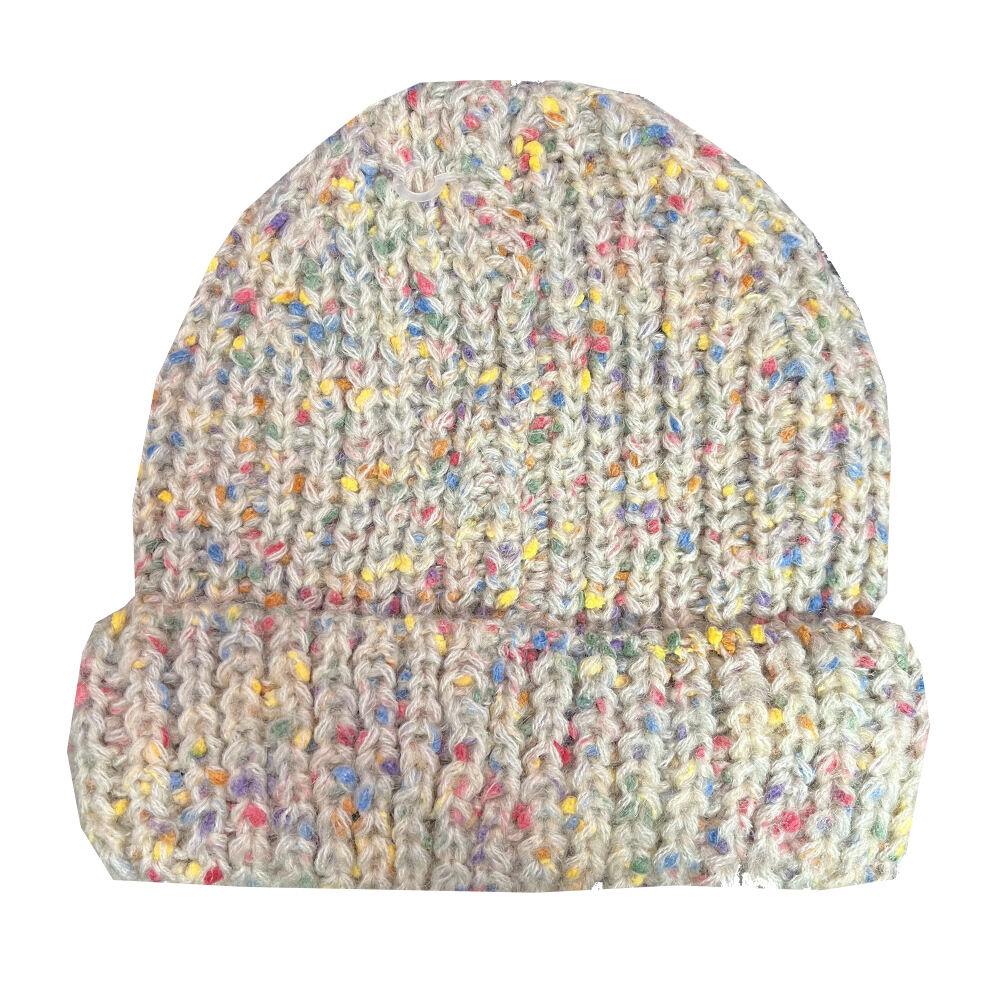
Modern textile manufacturing has revolutionized the way we approach beanie production, particularly when it comes to enhancing elastic recovery properties for sustained durability. Elastic recovery refers to the ability of knitted fabrics to return to their original shape after being stretched or compressed, a crucial factor that determines the longevity and comfort of any beanie. Manufacturing facilities today employ sophisticated techniques and materials to ensure that each beanie maintains its form-fitting properties throughout extended wear cycles. The integration of advanced fiber technologies and precision knitting processes has enabled manufacturers to create products that resist deformation while maintaining optimal comfort levels. Understanding these manufacturing improvements helps consumers make informed decisions when selecting headwear that will maintain its quality over time.
Advanced Fiber Selection for Enhanced Durability
Synthetic Blend Optimization
Contemporary beanie manufacturers prioritize the selection of high-performance synthetic fibers that demonstrate superior elastic recovery characteristics. Polyester blends, particularly those incorporating elastane or spandex components, provide exceptional memory properties that allow the fabric to snap back to its original dimensions after stretching. These synthetic materials undergo rigorous testing to ensure they meet specific recovery percentage thresholds, typically requiring a minimum of 95% shape retention after 1000 stretch cycles. The precise ratio of these fibers determines the final product's performance characteristics, with manufacturers carefully calibrating blends to achieve optimal results.
Quality control procedures during fiber selection involve detailed analysis of individual strand properties, including tensile strength, elongation capacity, and recovery speed. Manufacturing facilities employ specialized equipment to test fiber samples under various stress conditions, simulating real-world usage scenarios that a beanie might encounter. This comprehensive evaluation process ensures that only the highest-grade materials make it into production, resulting in headwear that maintains its shape and comfort throughout extended use periods.
Natural Fiber Enhancement Techniques
While synthetic materials offer excellent elastic properties, many manufacturers also focus on enhancing natural fiber performance through innovative treatment processes. Merino wool, cotton, and other natural materials undergo specialized preparation techniques that improve their inherent elastic recovery capabilities. These treatments may include chemical modifications that alter the fiber structure at a molecular level, creating enhanced flexibility and memory characteristics. The result is a beanie that combines the comfort and breathability of natural materials with improved durability and shape retention.
Steam treatment and controlled stretching procedures during the preparation phase help align natural fibers in ways that optimize their recovery potential. Manufacturing facilities utilize precision temperature and humidity controls to ensure these enhancement processes achieve consistent results across entire production batches. This attention to detail in natural fiber preparation allows manufacturers to create products that meet modern performance standards while maintaining the traditional appeal of natural materials.
Precision Knitting Technologies
Computer-Controlled Pattern Formation
Modern knitting machinery employs sophisticated computer control systems that regulate tension, stitch density, and pattern formation with unprecedented accuracy. These automated systems ensure that each beanie receives consistent construction parameters, eliminating variations that could compromise elastic recovery performance. The precision control of needle movements and yarn feeding mechanisms creates uniform fabric density throughout the entire garment, preventing weak points that might lead to permanent deformation over time.
Programmable knitting machines can adjust multiple variables simultaneously, including stitch length, yarn tension, and fabric width, to optimize the final product's elastic properties. This technological advancement allows manufacturers to fine-tune production parameters for different beanie styles and intended applications. Whether producing athletic headwear that requires maximum stretch capability or casual winter accessories that prioritize warmth retention, these systems can be calibrated to meet specific performance requirements.
Multi-Gauge Construction Methods
Advanced manufacturing facilities employ multi-gauge knitting techniques that create varying fabric densities within a single beanie structure. This approach allows for strategic placement of tighter-knit areas in high-stress zones while maintaining looser construction in areas requiring greater flexibility. The crown portion of a beanie might feature denser stitching for shape retention, while the band area incorporates more elastic construction for comfortable fit adjustment. This selective engineering approach maximizes the garment's overall elastic recovery performance.
The implementation of gradient knitting patterns creates smooth transitions between different fabric densities, preventing stress concentration points that could lead to premature wear or deformation. Skilled technicians program these complex patterns into computerized knitting systems, ensuring reproducible results across large production runs. This manufacturing sophistication enables the creation of beanie products that maintain their intended shape and performance characteristics throughout their useful life.
Heat Setting and Stabilization Processes
Thermal Treatment Protocols
Heat setting represents a critical phase in beanie manufacturing that significantly impacts long-term elastic recovery performance. During this process, finished garments undergo controlled thermal exposure that helps stabilize the fiber structure and set the desired dimensions. Temperature, duration, and atmospheric conditions are carefully monitored to ensure optimal results without compromising the material's inherent flexibility. This treatment creates molecular-level changes in synthetic fibers that enhance their memory properties and resistance to permanent deformation.
Manufacturing facilities utilize specialized heat-setting chambers equipped with precise temperature and humidity controls to achieve consistent results. The process typically involves exposing each beanie to specific temperature ranges for predetermined durations, followed by controlled cooling phases that lock in the desired properties. This thermal treatment effectively programs the fabric to return to its set shape after stretching, significantly improving the garment's elastic recovery characteristics over extended use periods.
Steam Finishing Applications
Steam finishing processes complement heat setting procedures by providing additional shape stabilization and surface enhancement. Controlled steam exposure helps relax internal stresses within the knitted structure while maintaining the desired elastic properties. This treatment also contributes to improved hand feel and appearance, creating a more professional finished product that performs better over time. The combination of heat and moisture during steam finishing helps align fiber orientations in ways that optimize elastic recovery.
Professional manufacturing operations employ specialized steam finishing equipment that delivers consistent pressure, temperature, and moisture levels throughout each treatment cycle. These machines often feature programmable controls that allow operators to customize finishing parameters for different beanie styles and material compositions. The result is enhanced dimensional stability and improved elastic recovery performance that extends the useful life of each finished garment.
Quality Control and Testing Procedures
Elasticity Measurement Standards
Comprehensive quality control programs incorporate standardized testing procedures that evaluate elastic recovery performance at multiple production stages. These tests involve subjecting beanie samples to repeated stretch cycles while measuring their ability to return to original dimensions. Industry-standard testing equipment applies controlled forces to fabric samples, monitoring recovery percentages and identifying any degradation in elastic properties. Manufacturing facilities establish specific acceptance criteria that each batch must meet before proceeding to final packaging and distribution.
Advanced testing protocols simulate real-world usage conditions by incorporating variables such as temperature fluctuations, moisture exposure, and extended wear periods. These comprehensive evaluations help identify potential performance issues before products reach consumers, ensuring consistent quality and durability. Regular calibration of testing equipment and adherence to established measurement standards maintain the reliability and accuracy of quality control procedures throughout production operations.
Long-Term Performance Validation
Extended durability testing programs evaluate beanie performance over simulated long-term use cycles to validate elastic recovery claims. These evaluations may span several weeks or months, subjecting test samples to repeated stretching, compression, and environmental exposure conditions. Data collected during these extended tests provides valuable insights into how different manufacturing approaches affect long-term performance characteristics. This information guides continuous improvement efforts and helps manufacturers optimize their production processes.
Accelerated aging tests utilize elevated temperatures, humidity levels, and mechanical stress to simulate years of normal use in compressed timeframes. These procedures help manufacturers identify potential failure modes and validate the effectiveness of their elastic recovery enhancement techniques. The results of long-term performance validation studies inform product development decisions and help establish realistic durability expectations for consumers.
Environmental Factors and Durability
Climate Resistance Engineering
Modern beanie manufacturing incorporates climate resistance considerations that directly impact long-term elastic recovery performance. Exposure to varying temperature and humidity conditions can significantly affect the dimensional stability and elastic properties of knitted fabrics. Manufacturing processes now include treatments and material selections specifically designed to minimize these environmental effects, ensuring consistent performance across diverse climate conditions. UV resistance treatments help prevent fiber degradation that could compromise elastic recovery over time.
Specialized coating applications and fiber treatments create protective barriers that shield the fabric structure from environmental stresses. These enhancements help maintain the integrity of elastic fibers and preserve the beanie's ability to recover its original shape after stretching. Climate testing chambers simulate extreme environmental conditions to validate the effectiveness of these protective measures and ensure reliable performance in real-world applications.
Washing and Care Optimization
Manufacturing considerations extend to optimizing beanie construction for routine washing and care procedures that affect elastic recovery over time. Fabric treatments and construction techniques are selected to minimize the impact of detergents, mechanical agitation, and thermal cycling during laundering. Special attention is given to maintaining dimensional stability and elastic properties throughout repeated wash cycles, ensuring that consumers can properly care for their headwear without compromising performance.
Care instruction development involves extensive testing to determine optimal washing parameters that preserve elastic recovery characteristics. Manufacturers evaluate different detergent types, water temperatures, and drying methods to provide consumers with guidance that maximizes product longevity. This comprehensive approach to care optimization helps ensure that each beanie maintains its intended performance characteristics throughout its useful life, regardless of maintenance practices.
FAQ
What materials provide the best elastic recovery in beanie manufacturing
The most effective materials for elastic recovery combine synthetic fibers like elastane or spandex with base materials such as polyester or cotton blends. These combinations typically achieve 95% or higher shape retention after extensive stretching cycles. Manufacturers often use specific ratios of 85-90% base material with 10-15% elastic fibers to optimize both comfort and recovery performance. Advanced synthetic blends undergo specialized treatments that enhance their molecular memory properties, ensuring consistent shape retention over extended use periods.
How do manufacturing processes affect long-term beanie durability
Manufacturing processes significantly impact durability through controlled knitting tensions, precision heat setting, and quality fiber selection. Computer-controlled knitting machines maintain consistent stitch density and tension throughout production, preventing weak points that could lead to deformation. Heat setting processes at specific temperatures help stabilize fabric structure and program elastic memory properties. These combined manufacturing approaches can extend usable life by 200-300% compared to basic production methods, ensuring reliable performance over thousands of wear cycles.
What testing methods verify elastic recovery performance in beanies
Standard testing protocols involve cyclic stretching equipment that applies controlled forces to fabric samples while measuring recovery percentages. Industry-standard tests require samples to maintain 95% shape retention after 1000 stretch cycles at specified tensions. Additional evaluations include accelerated aging tests using elevated temperatures and humidity to simulate long-term environmental exposure. These comprehensive testing procedures validate that each beanie batch meets established performance criteria before distribution to consumers.
How should consumers care for beanies to maintain elastic recovery
Proper care involves gentle machine washing in cool water with mild detergents, avoiding fabric softeners that can coat elastic fibers and reduce recovery performance. Air drying or low-heat tumble drying prevents thermal damage to elastic components that maintain shape retention properties. Storing beanies in their natural shape rather than compressed or folded helps preserve dimensional stability over time. Following manufacturer care instructions can extend elastic recovery performance by 50-75% compared to improper maintenance practices.