 EN
EN

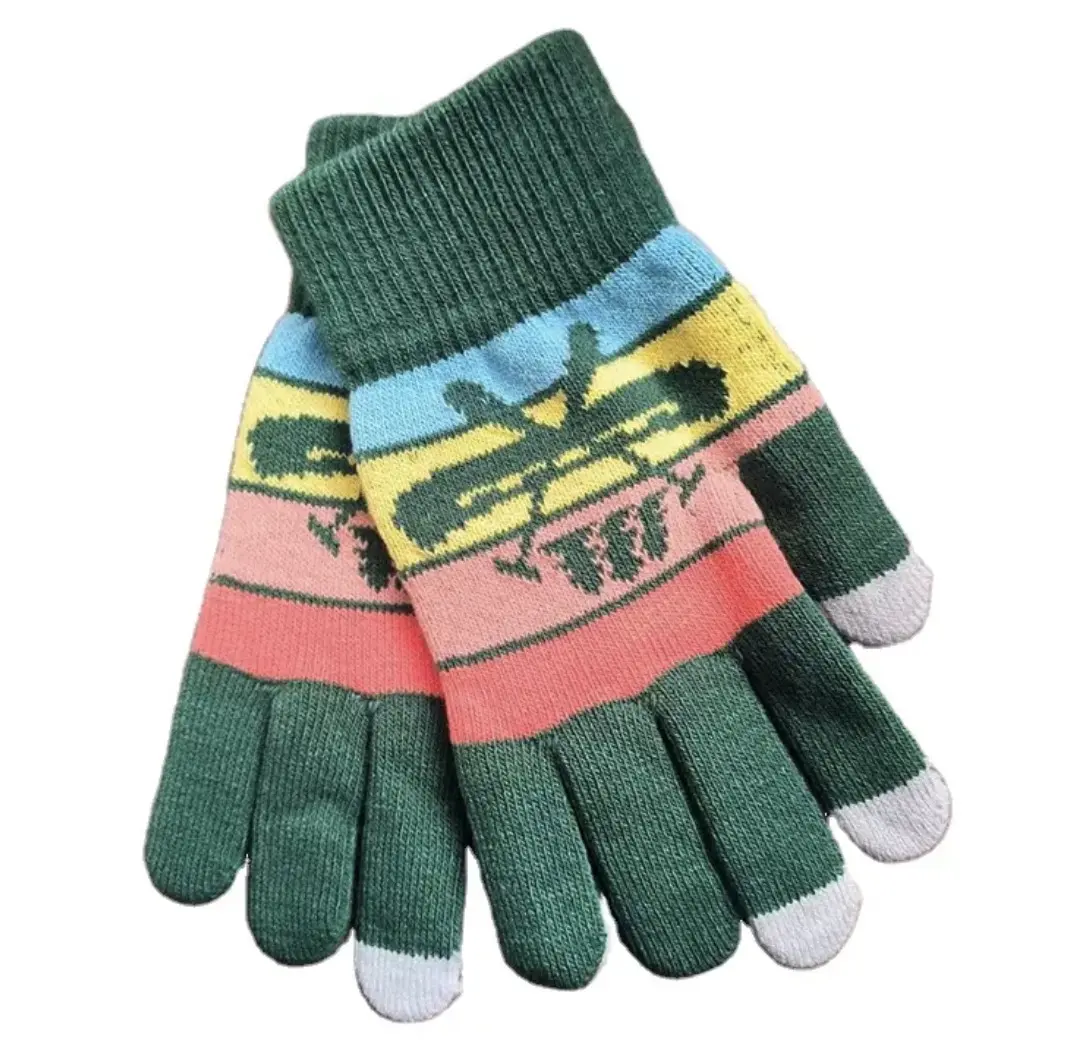
The global demand for touch screen gloves has surged dramatically as smartphones, tablets, and other touchscreen devices become integral to daily life and professional activities. For importers seeking to capitalize on this growing market, understanding the critical factors that differentiate quality touch screen gloves from inferior alternatives is essential for building a successful business relationship with suppliers and ensuring customer satisfaction. The modern consumer expects functionality without compromising comfort, making the sourcing process more complex than traditional winter gloves.
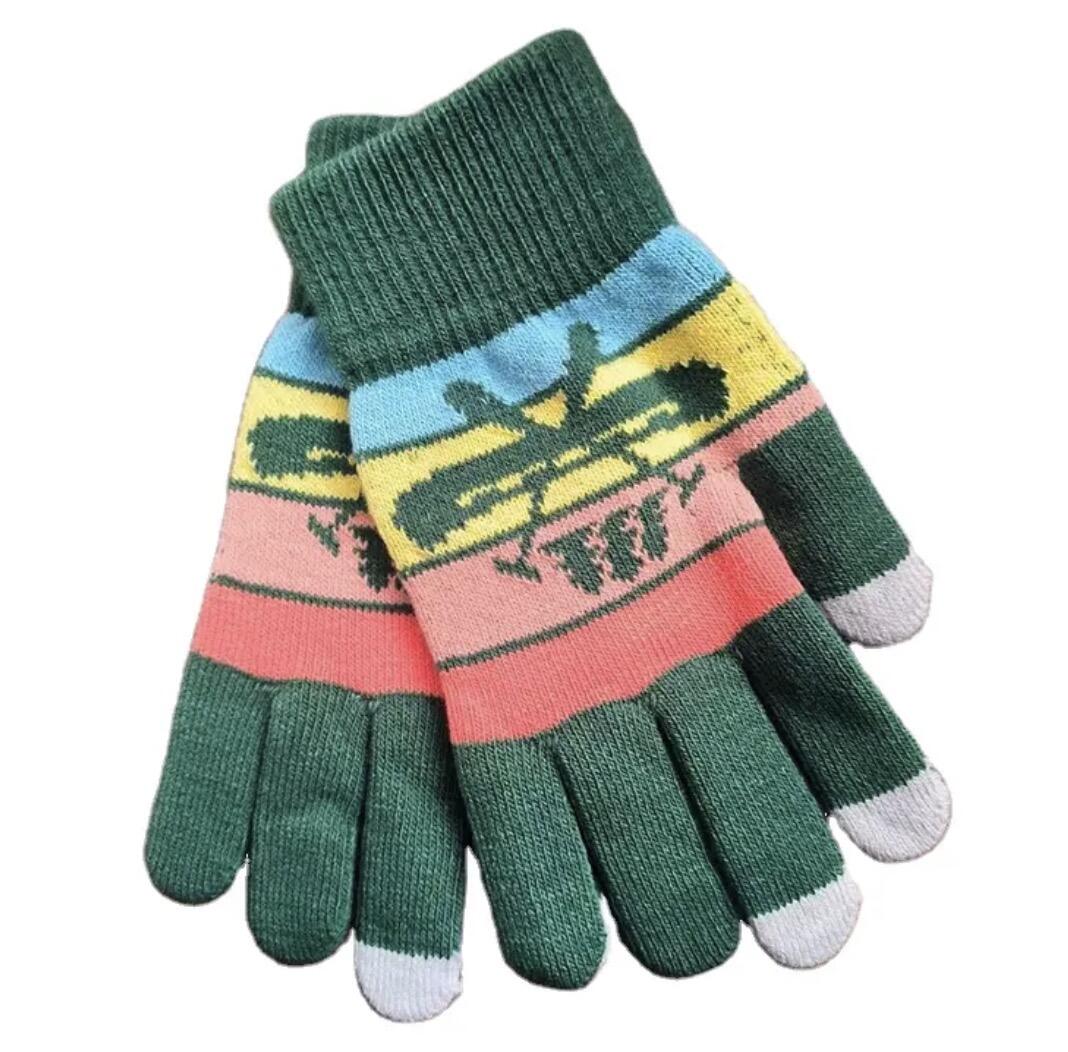
Importers must navigate numerous technical specifications, material considerations, and quality standards when evaluating potential suppliers of touch screen gloves. The market encompasses various price points, from budget-friendly options for mass retail to premium products targeting professional users who require consistent performance in challenging environments. Understanding these market segments helps importers align their sourcing strategy with their target customers' expectations and price sensitivity.
Successful importers recognize that touch screen gloves represent a convergence of traditional textile manufacturing and modern technology integration. This unique positioning requires suppliers who possess both textile expertise and understanding of conductive materials, creating challenges in supplier evaluation and quality assurance processes that differ significantly from conventional apparel sourcing.
Material Composition and Conductive Technology
Conductive Fiber Integration Methods
The foundation of effective touch screen gloves lies in the integration of conductive fibers or coatings that enable electrical conductivity between the wearer's fingertips and touchscreen surfaces. Suppliers typically employ three primary methods: conductive thread weaving, metallic coating application, or conductive fiber blending during the knitting process. Each approach offers distinct advantages and limitations that importers must evaluate based on their target market requirements and price positioning.
Conductive thread weaving involves incorporating specialized threads containing silver, copper, or other conductive materials into specific fingertip areas of the gloves. This method provides targeted conductivity while maintaining the natural feel and flexibility of the base material. However, importers should verify that suppliers use high-quality conductive threads that maintain conductivity after repeated washing and extended use, as inferior materials can lose their effectiveness quickly.
Metallic coating applications involve treating fingertip areas with conductive solutions containing particles of copper, silver, or other metals. While this approach can be cost-effective for large-volume production, importers must assess the durability of the coating and its resistance to wear, washing, and environmental factors. Premium touch screen gloves often combine multiple approaches to ensure consistent performance across different usage scenarios.
Base Material Selection and Performance
The base material composition significantly impacts both the functionality and marketability of touch screen gloves. Common materials include acrylic, wool, cotton, and synthetic blends, each offering different benefits in terms of warmth, breathability, durability, and cost. Importers should evaluate how the base material interacts with the conductive elements and whether the combination provides the desired user experience for their target market.
Acrylic-based touch screen gloves offer excellent warmth retention and are typically more affordable than natural fiber alternatives, making them suitable for mass market applications. However, importers should assess the quality of the acrylic used, as lower-grade materials can result in reduced durability and poor shape retention after washing. Premium acrylic blends can provide performance comparable to natural fibers while maintaining cost advantages for price-sensitive markets.
Wool and wool blend touch screen gloves appeal to consumers seeking natural materials and superior insulation properties. These products typically command higher retail prices but require more careful handling and maintenance. Importers targeting premium market segments should verify that suppliers use responsibly sourced wool and employ proper treatment processes to prevent shrinkage and maintain the integrity of conductive elements.
Quality Assurance and Testing Protocols
Conductivity Performance Standards
Establishing clear conductivity performance standards is crucial for importers to ensure their touch screen gloves meet consumer expectations across different device types and environmental conditions. Effective testing protocols should evaluate conductivity consistency across all treated fingertip areas, responsiveness on various touchscreen technologies, and performance degradation over time through accelerated wear testing.
Importers should require suppliers to conduct standardized conductivity tests using representative touchscreen devices, including smartphones, tablets, and other common consumer electronics. These tests should measure response time, pressure sensitivity, and accuracy of touch registration to ensure the gloves perform adequately for typical user interactions. Documentation of test results should be provided with each production batch to maintain quality consistency.
Environmental testing becomes particularly important for touch screen gloves intended for outdoor use or professional applications. Temperature variations, humidity exposure, and repeated washing cycles can all impact conductivity performance. Importers should establish minimum performance thresholds that account for real-world usage conditions and require suppliers to demonstrate compliance through comprehensive testing protocols.
Durability and Longevity Assessment
The durability of touch screen gloves extends beyond basic textile considerations to include the longevity of conductive properties under normal use conditions. Importers must evaluate how suppliers test and guarantee the persistence of conductivity through repeated washing, stretching, and general wear. This assessment should include both laboratory testing and real-world usage scenarios to provide comprehensive durability data.
Wash fastness testing specifically for conductive elements requires specialized protocols that go beyond standard textile testing procedures. Importers should verify that suppliers test conductivity retention after multiple wash cycles using various detergents and water temperatures that consumers might typically use. This information helps set appropriate care instructions and manage customer expectations regarding product lifespan.
Abrasion resistance testing for touch screen gloves must account for the additional stress placed on fingertip areas during touchscreen interaction. Suppliers should demonstrate that their products maintain both structural integrity and conductivity performance after simulated usage that represents typical consumer interaction patterns with touchscreen devices.
Supplier Evaluation and Manufacturing Capabilities
Technical Expertise and Innovation Capacity
Evaluating suppliers for touch screen gloves requires assessment of their technical capabilities beyond traditional textile manufacturing. Suppliers must demonstrate understanding of conductive material properties, integration techniques, and quality control processes specific to electronic compatibility. Importers should investigate the supplier's research and development capabilities, as the technology continues to evolve with new touchscreen innovations.
Manufacturing consistency becomes critical when producing touch screen gloves, as variations in conductive element placement or material distribution can result in performance inconsistencies across production batches. Importers should evaluate the supplier's quality control systems, including inline testing procedures and batch tracking capabilities that ensure consistent conductivity performance throughout large production runs.
Innovation capacity indicates a supplier's ability to adapt to changing market requirements and technological advances in touchscreen technology. Importers benefit from partnering with suppliers who actively research new conductive materials, improved integration methods, and enhanced durability solutions that can provide competitive advantages in the marketplace.
Production Scalability and Lead Time Management
The seasonal nature of touch screen gloves demand requires suppliers who can effectively manage production scalability and maintain quality standards during peak manufacturing periods. Importers should assess the supplier's capacity planning capabilities, including their ability to secure adequate supplies of specialized conductive materials during high-demand periods without compromising quality or delivery schedules.
Lead time management for touch screen gloves involves coordination of both textile production and conductive element integration processes. Suppliers must demonstrate ability to maintain consistent lead times despite the additional complexity involved in producing functional electronic accessories. Importers should evaluate historical performance data and contingency planning capabilities to ensure reliable supply chain performance.
Quality maintenance during scaled production requires robust process controls and testing protocols that remain effective at high volume levels. Importers should verify that suppliers maintain the same quality standards and testing rigor regardless of production volume, ensuring that large orders receive the same attention to detail as smaller sample productions.
Customization and Branding Opportunities
Design Flexibility and Aesthetic Options
Modern consumers expect touch screen gloves that combine functionality with appealing aesthetics, creating opportunities for importers to differentiate their products through design and customization options. Suppliers should offer various color options, pattern possibilities, and styling alternatives that appeal to different market segments while maintaining the technical performance requirements essential for touchscreen compatibility.
Customization capabilities extend beyond basic color and pattern options to include specialized features such as grip enhancements, additional insulation layers, or extended cuff designs for specific use cases. Importers should evaluate suppliers' flexibility in accommodating custom requirements and their ability to maintain technical performance while implementing design modifications.
Brand integration opportunities through custom labeling, packaging, and promotional materials help importers build brand recognition and customer loyalty in the competitive touch screen gloves market. Suppliers should demonstrate capability to support comprehensive branding programs while maintaining focus on product quality and performance standards.
Logo Integration and Brand Visibility
Custom logo integration on touch screen gloves requires careful consideration of placement, application methods, and impact on functionality. Importers should ensure that branding elements do not interfere with conductive performance or compromise the comfort and usability of the gloves. Suppliers must demonstrate expertise in various logo application techniques suitable for the specific materials and construction methods used.
Brand visibility through packaging and presentation materials creates additional marketing opportunities for importers targeting retail channels. Suppliers who offer comprehensive packaging solutions help importers create cohesive brand experiences that differentiate their products on retail shelves and enhance perceived value among consumers.
Quality control for branded touch screen gloves must include verification that custom elements meet the same durability standards as the base product. Importers should establish clear specifications for logo durability, color fastness, and integration quality to maintain brand reputation and customer satisfaction throughout the product lifecycle.
Cost Structure and Value Optimization
Price Analysis and Market Positioning
Understanding the cost structure of touch screen gloves helps importers make informed decisions about supplier selection and product positioning strategies. The price premium associated with conductive functionality varies significantly based on the integration method, material quality, and manufacturing complexity. Importers must balance cost considerations with quality requirements to achieve optimal market positioning for their target customer base.
Value engineering opportunities exist throughout the touch screen gloves supply chain, from material selection to manufacturing processes and packaging optimization. Importers should work collaboratively with suppliers to identify cost reduction possibilities that do not compromise essential functionality or quality standards. This approach often reveals innovative solutions that benefit both parties while maintaining competitive pricing.
Market positioning analysis should consider the total value proposition offered by touch screen gloves compared to traditional winter gloves and competing products. Importers must understand how price sensitivity varies across different customer segments and geographic markets to optimize their sourcing and pricing strategies accordingly.
Volume Pricing and Order Optimization
Volume pricing structures for touch screen gloves often differ from traditional textile products due to the specialized materials and processes required for conductive functionality. Importers should negotiate pricing agreements that account for material cost fluctuations, particularly for conductive elements that may be subject to commodity price variations or supply chain constraints.
Order optimization requires balancing inventory carrying costs with volume pricing advantages and seasonal demand patterns. Touch screen gloves experience significant seasonal sales variations that must be considered when planning order quantities and delivery schedules. Importers should develop flexible ordering strategies that maximize cost advantages while minimizing inventory risks.
Total cost of ownership analysis should include factors beyond initial purchase price, such as quality-related returns, warranty costs, and customer service requirements. Suppliers who consistently deliver high-quality touch screen gloves may justify higher unit costs through reduced total ownership expenses and improved customer satisfaction metrics.
FAQ
How do I verify the conductivity performance of touch screen gloves before placing large orders
Request detailed conductivity testing reports from suppliers that demonstrate performance across multiple device types and environmental conditions. Insist on sample testing with your own devices and conduct wash durability tests to verify conductivity retention. Establish minimum performance thresholds based on your target market requirements and ensure suppliers can consistently meet these standards across production batches.
What are the key differences between various conductive material options for touch screen gloves
Silver-based conductive materials offer excellent conductivity and durability but typically cost more than copper or other metallic alternatives. Conductive thread integration provides targeted functionality with good durability, while coating applications may be more cost-effective but potentially less durable. Consider your price point, target market, and performance requirements when evaluating different conductive material options with suppliers.
How should I evaluate a supplier's quality control processes for touch screen gloves
Assess the supplier's testing protocols for both textile quality and conductivity performance, including inline testing procedures and batch documentation systems. Verify that quality control includes conductivity testing after key manufacturing steps and final product inspection. Request quality control documentation from recent productions and evaluate the supplier's corrective action procedures for addressing quality issues.
What seasonal factors should importers consider when sourcing touch screen gloves
Plan for peak demand during fall and winter months, with ordering and production scheduling beginning several months in advance. Consider regional climate variations that affect demand timing and product specifications. Evaluate supplier capacity during peak seasons and establish contingency plans for material supply disruptions that commonly occur during high-demand periods for winter accessories.
Table of Contents
- Material Composition and Conductive Technology
- Quality Assurance and Testing Protocols
- Supplier Evaluation and Manufacturing Capabilities
- Customization and Branding Opportunities
- Cost Structure and Value Optimization
-
FAQ
- How do I verify the conductivity performance of touch screen gloves before placing large orders
- What are the key differences between various conductive material options for touch screen gloves
- How should I evaluate a supplier's quality control processes for touch screen gloves
- What seasonal factors should importers consider when sourcing touch screen gloves