 EN
EN

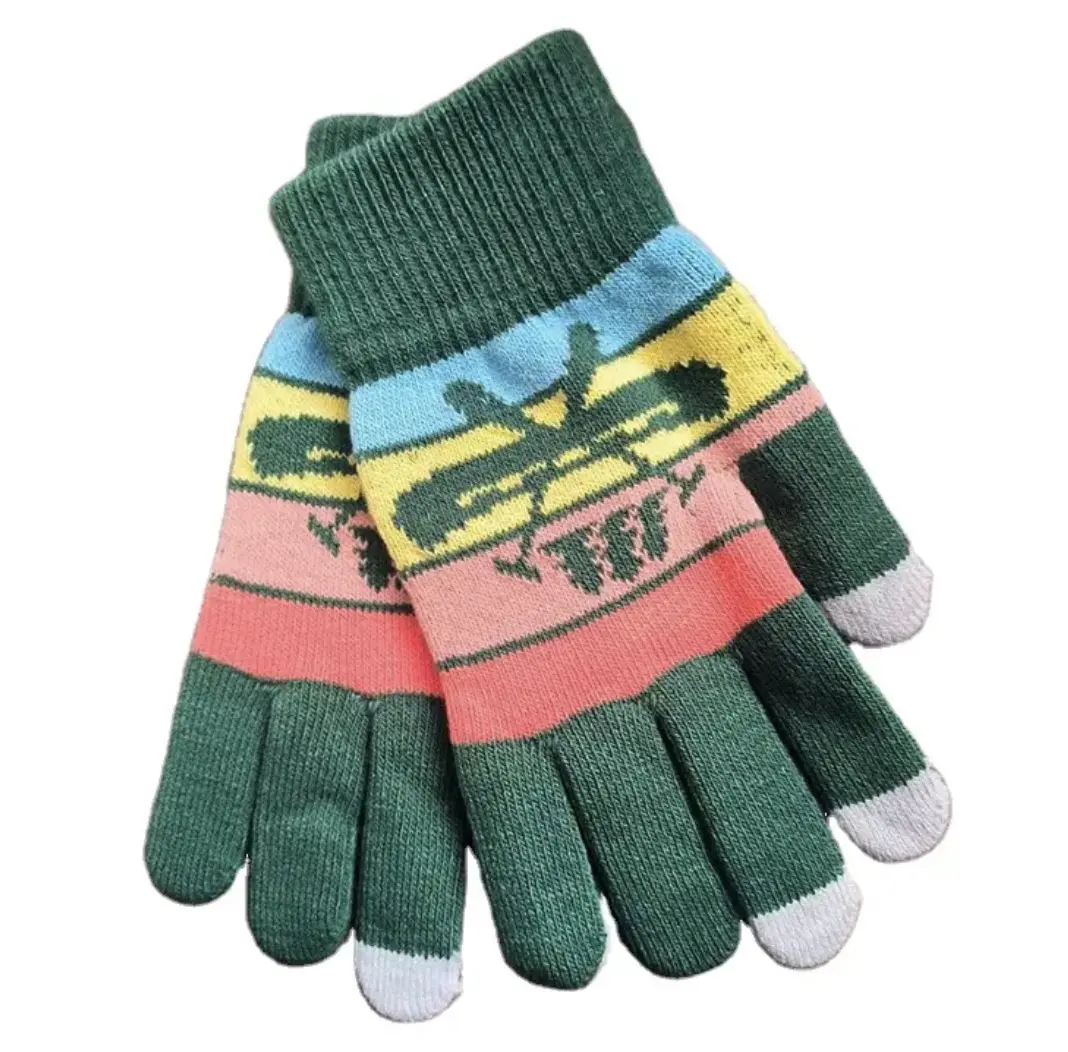
Manufacturing high-quality touch screen gloves requires rigorous testing protocols to ensure conductive fibers maintain optimal performance across various environmental conditions. Modern factories implement sophisticated testing methodologies that evaluate fiber conductivity, durability, and precision to guarantee seamless interaction with capacitive touchscreen devices. The manufacturing process involves multiple quality checkpoints where specialized equipment measures electrical resistance, fiber alignment, and surface conductivity to maintain consistent performance standards.
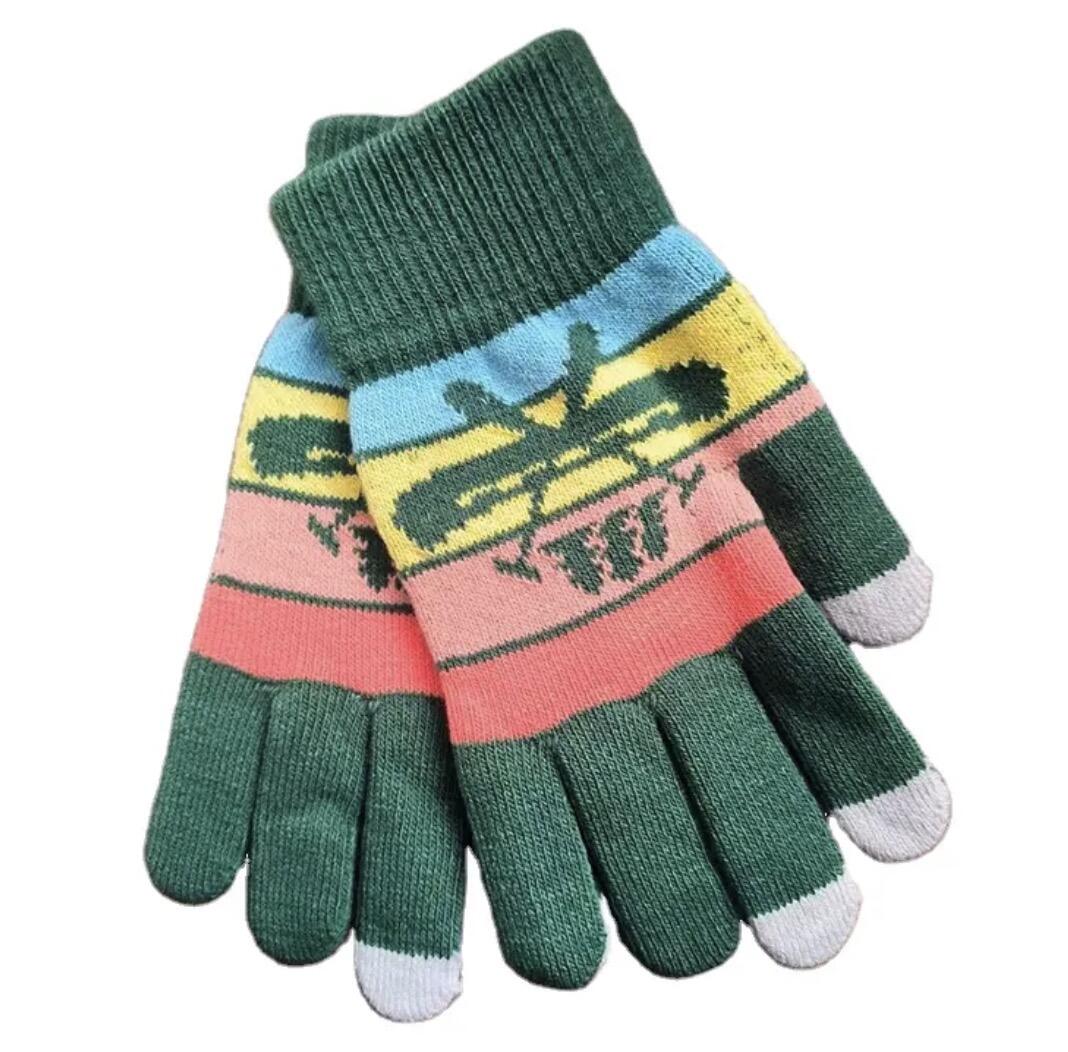
Quality control laboratories within touch screen gloves manufacturing facilities utilize precision instruments to verify that conductive threads meet industry specifications. These comprehensive testing procedures ensure that every pair of gloves delivers reliable touchscreen functionality while maintaining comfort and durability. Advanced testing protocols evaluate how conductive fibers respond to temperature variations, moisture exposure, and repeated washing cycles to guarantee long-term performance reliability.
Conductive Fiber Testing Methodologies
Electrical Resistance Measurement Techniques
Factory laboratories employ specialized multimeters and resistance testing equipment to measure the electrical conductivity of individual conductive fibers used in touch screen gloves production. These instruments detect minute variations in electrical resistance that could affect touchscreen responsiveness, ensuring each fiber meets precise conductivity thresholds. Testing technicians evaluate fiber resistance under controlled temperature and humidity conditions to simulate real-world usage scenarios and verify consistent performance across different environmental parameters.
Advanced testing protocols involve measuring resistance values at multiple points along each conductive fiber to identify potential weak spots or inconsistencies that could compromise touchscreen functionality. Quality control specialists document resistance measurements throughout the production process, creating detailed reports that track fiber performance from raw material inspection through final product assembly. These comprehensive testing procedures help manufacturers maintain consistent quality standards and identify potential issues before touch screen gloves reach consumers.
Surface Conductivity Analysis
Sophisticated surface analyzers evaluate the conductive properties of finished fingertip areas in touch screen gloves, measuring how effectively electrical signals transfer from human skin to touchscreen devices. These instruments use precision electrodes to simulate finger contact and measure signal transmission accuracy across different pressure levels and contact angles. Testing laboratories calibrate equipment regularly to ensure measurement accuracy and maintain traceability to international conductivity standards.
Manufacturing facilities implement automated testing stations that evaluate surface conductivity across multiple fingertip positions simultaneously, significantly improving testing efficiency while maintaining measurement precision. These systems generate detailed conductivity maps that highlight areas of optimal performance and identify regions requiring additional conductive fiber integration. Quality assurance teams analyze surface conductivity data to optimize fiber placement patterns and enhance overall touchscreen responsiveness in production touch screen gloves.
Environmental Durability Testing Standards
Temperature Cycling Evaluation
Environmental testing chambers subject touch screen gloves to extreme temperature variations ranging from sub-zero conditions to elevated heat levels, evaluating how conductive fibers maintain electrical properties under thermal stress. These controlled testing environments simulate seasonal temperature changes and rapid climate transitions that consumers might experience during regular glove usage. Temperature cycling tests reveal potential fiber degradation issues and help manufacturers select conductive materials that maintain consistent performance across diverse weather conditions.
Specialized thermal testing protocols involve multiple heating and cooling cycles while continuously monitoring fiber resistance and surface conductivity to identify performance degradation patterns. Testing laboratories document how different conductive fiber compositions respond to temperature extremes, providing valuable data for material selection and product development decisions. These comprehensive evaluations ensure that touch screen gloves maintain reliable touchscreen functionality regardless of ambient temperature conditions.
Moisture Resistance Assessment
Humidity testing chambers evaluate how exposure to moisture affects conductive fiber performance in touch screen gloves, simulating conditions ranging from light perspiration to heavy rain exposure. These controlled environments maintain specific humidity levels while monitoring electrical conductivity to determine how moisture absorption impacts touchscreen responsiveness. Quality control specialists analyze moisture resistance data to identify optimal fiber treatments and protective coatings that maintain conductivity under wet conditions.
Advanced moisture testing protocols include immersion tests that evaluate how touch screen gloves perform after complete water saturation and subsequent drying cycles. Testing laboratories measure recovery times and conductivity restoration rates to ensure gloves maintain functionality after exposure to challenging weather conditions. These comprehensive moisture assessments help manufacturers develop water-resistant treatments that preserve conductive properties while maintaining glove comfort and flexibility.
Mechanical Durability Testing Procedures
Abrasion Resistance Evaluation
Mechanical testing equipment subjects touch screen gloves to controlled abrasion cycles that simulate extended usage patterns and evaluate how surface wear affects conductive fiber performance. These automated testing systems apply consistent pressure and friction forces to fingertip areas while continuously monitoring electrical conductivity to identify performance degradation thresholds. Abrasion testing protocols help manufacturers optimize fiber placement density and surface treatments to maximize glove durability.
Specialized abrasion testing chambers utilize standardized materials and motion patterns that replicate typical touchscreen interaction forces, providing realistic wear simulation data for quality assessment. Testing laboratories analyze abrasion resistance results to determine optimal conductive fiber integration techniques and identify surface protection methods that extend glove lifespan. These comprehensive evaluations ensure that touch screen gloves maintain reliable touchscreen functionality throughout their expected service life.
Flex Fatigue Analysis
Flex testing machines subject conductive fibers in touch screen gloves to repetitive bending and stretching motions that simulate normal hand movement and finger flexion during regular usage. These automated systems monitor electrical resistance changes throughout thousands of flex cycles to identify potential failure points and evaluate long-term durability characteristics. Flex fatigue testing helps manufacturers optimize fiber placement strategies and knitting patterns to minimize stress concentrations that could compromise conductivity.
Advanced flex testing protocols evaluate how different conductive fiber compositions respond to various bending radii and stretching forces, providing detailed performance data for material selection decisions. Quality control laboratories analyze flex fatigue results to develop improved fiber integration techniques that maintain electrical properties under mechanical stress. These comprehensive testing procedures ensure that touch screen gloves deliver consistent touchscreen performance throughout extended periods of regular use.
Quality Assurance Protocols
Statistical Process Control Implementation
Manufacturing facilities implement statistical process control systems that continuously monitor conductive fiber performance parameters throughout touch screen gloves production, identifying trends and variations that could indicate quality issues. These sophisticated monitoring systems track resistance measurements, surface conductivity values, and environmental test results to maintain consistent product quality. Statistical analysis software generates control charts and performance indicators that help quality assurance teams identify process improvements and optimize manufacturing parameters.
Quality control databases store comprehensive testing data that enables manufacturers to track performance trends across different production batches and identify correlations between manufacturing variables and final product quality. Advanced statistical analysis tools evaluate testing results to establish quality control limits and develop predictive models that anticipate potential quality issues before they affect production. These data-driven approaches help ensure that every pair of touch screen gloves meets established performance standards and customer expectations.
Calibration and Traceability Management
Testing laboratories maintain rigorous calibration schedules for all measurement equipment used in conductive fiber evaluation, ensuring measurement accuracy and traceability to national standards organizations. Calibration records document equipment performance over time and provide evidence of measurement reliability for quality certification purposes. Regular calibration procedures involve comparison testing with certified reference materials and adjustment of instrument parameters to maintain measurement precision.
Comprehensive traceability systems track testing equipment maintenance history, calibration certificates, and measurement uncertainty data to support quality management system requirements. Quality assurance personnel maintain detailed documentation that demonstrates testing reliability and provides audit trails for regulatory compliance and customer quality assessments. These systematic approaches ensure that all testing results for touch screen gloves accurately reflect actual product performance and meet industry quality standards.
Advanced Testing Technologies
Automated Testing Integration
Modern manufacturing facilities integrate automated testing systems that evaluate multiple conductive fiber properties simultaneously, significantly improving testing efficiency while maintaining measurement accuracy. These sophisticated systems combine resistance measurement, surface conductivity analysis, and environmental testing capabilities in unified testing platforms that reduce manual handling and minimize testing variability. Automated testing integration enables manufacturers to implement comprehensive quality control programs that evaluate every pair of touch screen gloves without significantly impacting production throughput.
Advanced automation systems utilize robotic handling equipment and precision positioning systems to ensure consistent test conditions and eliminate human error factors that could affect measurement reliability. Computer-controlled testing protocols standardize evaluation procedures and generate detailed test reports that provide comprehensive performance documentation for each production batch. These integrated testing approaches help manufacturers maintain superior quality standards while optimizing production efficiency and reducing testing costs.
Real-Time Performance Monitoring
Continuous monitoring systems evaluate conductive fiber performance in real-time during touch screen gloves production, providing immediate feedback on quality parameters and enabling rapid response to process variations. These monitoring systems utilize wireless sensors and data acquisition networks to track resistance measurements and surface conductivity throughout manufacturing operations. Real-time performance data enables production teams to identify and correct quality issues before they affect significant quantities of finished products.
Advanced monitoring systems integrate with manufacturing execution systems to provide comprehensive visibility into quality trends and process performance indicators across entire production lines. Quality control dashboards display real-time testing results and alert operators to potential issues that require immediate attention or process adjustments. These sophisticated monitoring capabilities help manufacturers maintain consistent product quality and optimize manufacturing processes to deliver superior touch screen gloves performance.
FAQ
What electrical resistance values indicate optimal performance in touch screen gloves
Optimal touch screen gloves typically exhibit electrical resistance values between 10 kilohms and 1 megohm at the fingertip contact areas, providing sufficient conductivity for reliable touchscreen interaction while maintaining safety margins. Testing laboratories measure resistance under standardized conditions using calibrated equipment to ensure consistency across different production batches and verify compliance with performance specifications.
How frequently should conductive fiber testing be performed during production
Manufacturing facilities typically conduct conductive fiber testing at multiple stages throughout production, including raw material inspection, intermediate processing checkpoints, and final product evaluation. Quality control protocols usually specify testing frequencies based on production volume and risk assessment, with continuous monitoring systems providing real-time feedback on critical performance parameters throughout manufacturing operations.
What environmental conditions affect conductive fiber performance most significantly
Temperature extremes and moisture exposure represent the most significant environmental factors affecting conductive fiber performance in touch screen gloves, with rapid temperature changes and high humidity levels potentially causing temporary or permanent changes in electrical conductivity. Comprehensive environmental testing evaluates performance under various conditions to ensure reliable touchscreen functionality across diverse usage scenarios.
How do manufacturers ensure consistent quality across different production batches
Manufacturers implement statistical process control systems that monitor key performance indicators throughout production and maintain detailed documentation of testing results for each batch of touch screen gloves. Standardized testing protocols, calibrated equipment, and comprehensive quality management systems ensure consistent performance standards and enable rapid identification of any variations that could affect product quality.
Table of Contents
- Conductive Fiber Testing Methodologies
- Environmental Durability Testing Standards
- Mechanical Durability Testing Procedures
- Quality Assurance Protocols
- Advanced Testing Technologies
-
FAQ
- What electrical resistance values indicate optimal performance in touch screen gloves
- How frequently should conductive fiber testing be performed during production
- What environmental conditions affect conductive fiber performance most significantly
- How do manufacturers ensure consistent quality across different production batches