 EN
EN
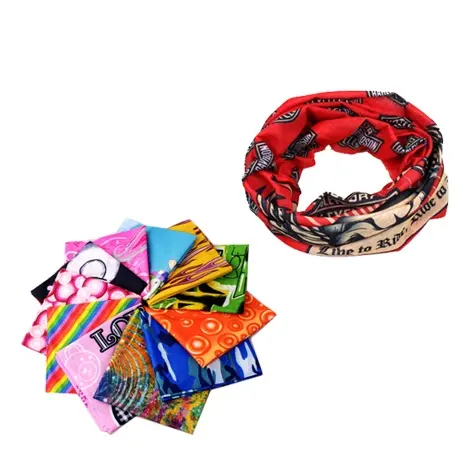
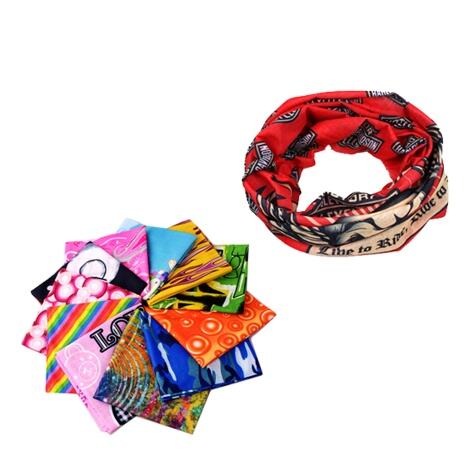
Selecting the right supplier for your OEM buff manufacturing projects requires careful consideration of multiple factors that directly impact product quality, brand reputation, and long-term business success. A buff serves as more than just a simple accessory; it represents your brand identity through functional design, material quality, and manufacturing precision. The decision-making process involves evaluating potential partners across various dimensions including production capabilities, quality standards, customization options, and supply chain reliability.
Manufacturing Capabilities and Production Scale
Production Volume Flexibility
Understanding your supplier's production capacity is crucial when planning buff manufacturing for seasonal demands or promotional campaigns. Leading manufacturers typically offer minimum order quantities that align with various business models, from startup brands requiring smaller batch production to established companies needing large-scale manufacturing runs. The ability to scale production up or down based on market demands ensures your buff supply remains consistent throughout different business cycles.
Experienced suppliers maintain multiple production lines dedicated to buff manufacturing, allowing them to handle concurrent orders without compromising delivery timelines. This operational flexibility becomes particularly valuable during peak seasons when demand for outdoor accessories and promotional items increases significantly. Suppliers with robust manufacturing infrastructure can accommodate rush orders while maintaining quality standards that meet your brand specifications.
Technical Manufacturing Expertise
The technical aspects of buff production require specialized knowledge in textile construction, seamless knitting technologies, and finishing processes. Suppliers with extensive experience understand the intricacies of creating tubular designs that provide comfort, durability, and proper fit across diverse user demographics. Their expertise extends to selecting appropriate yarn weights, determining optimal stitch patterns, and implementing finishing techniques that enhance the final product's performance characteristics.
Advanced manufacturing facilities employ computer-controlled knitting machines that ensure consistent product dimensions and eliminate common defects associated with manual production methods. This technological advantage translates into higher-quality buff products with uniform thickness, proper elasticity, and reliable seam integrity that withstands regular use and washing cycles.
Material Selection and Quality Standards
Fabric Technology and Performance Features
Material selection plays a fundamental role in determining the overall performance and market appeal of your buff products. Professional suppliers offer comprehensive fabric options ranging from moisture-wicking synthetic blends to natural fiber combinations that cater to different use cases and consumer preferences. Understanding the performance characteristics of various materials helps brands select appropriate options for their target markets and intended applications.
High-performance buff materials incorporate advanced textile technologies such as antimicrobial treatments, UV protection, and temperature regulation properties. Suppliers with strong research and development capabilities continuously innovate their material offerings to meet evolving consumer expectations and industry standards. This ongoing material advancement ensures your buff products remain competitive in markets where performance features significantly influence purchasing decisions.
Quality Control and Testing Procedures
Comprehensive quality control systems distinguish professional buff suppliers from basic manufacturing operations. Established suppliers implement multi-stage inspection processes that evaluate raw materials, intermediate production stages, and finished products against predetermined quality benchmarks. These systematic approaches minimize defect rates and ensure consistent product quality across entire production runs.
Quality testing procedures typically include fabric strength assessments, colorfastness evaluations, dimensional stability checks, and performance testing under simulated use conditions. Suppliers maintaining ISO certifications or equivalent quality management standards demonstrate their commitment to delivering buff products that meet international quality expectations and regulatory requirements.
Customization Options and Design Services
Printing and Decoration Capabilities
Brand differentiation through custom designs requires suppliers with comprehensive decoration capabilities including digital printing, sublimation, embroidery, and heat transfer applications. The choice of decoration method depends on design complexity, color requirements, durability expectations, and cost considerations. Professional buff suppliers offer guidance on selecting appropriate decoration techniques that align with your brand aesthetics and functional requirements.
Advanced printing technologies enable suppliers to reproduce intricate graphics, photographic images, and complex color gradients with exceptional clarity and vibrancy. These capabilities expand creative possibilities for brand marketing, allowing companies to incorporate detailed logos, artistic designs, or promotional messaging into their buff products effectively.
Pattern Development and Prototyping
Experienced suppliers provide comprehensive design services including pattern development, color matching, and prototype creation that help brands visualize final products before committing to full production runs. This collaborative approach reduces the risk of design-related issues and ensures the finished buff meets brand expectations and functional requirements.
Professional prototyping services typically include multiple sample iterations, allowing brands to evaluate different design options, material combinations, and construction techniques. This iterative process helps optimize product specifications and identify potential improvements before mass production begins, ultimately resulting in higher-quality buff products and improved customer satisfaction.
Supply Chain Management and Logistics
Raw Material Sourcing and Inventory Management
Reliable buff suppliers maintain strategic relationships with raw material providers and implement sophisticated inventory management systems that ensure consistent material availability throughout production cycles. This supply chain stability prevents production delays caused by material shortages and helps maintain consistent product quality across different production batches.
Effective inventory management practices include maintaining appropriate safety stock levels, implementing just-in-time delivery systems, and establishing backup supplier relationships that provide continuity during potential supply disruptions. These operational practices contribute to reliable delivery schedules and help brands maintain consistent product availability in their target markets.
International Shipping and Compliance
Global buff sourcing requires suppliers with comprehensive understanding of international trade regulations, customs procedures, and documentation requirements. Experienced suppliers provide complete logistics support including proper product classification, accurate documentation preparation, and coordination with reliable freight forwarding partners that ensure smooth customs clearance processes.
Compliance with import regulations, safety standards, and labeling requirements varies significantly across different markets. Professional suppliers maintain current knowledge of these requirements and ensure their buff products meet applicable standards for target destinations, reducing the risk of customs delays or regulatory compliance issues.
Cost Structure and Pricing Transparency
Total Cost of Ownership Analysis
Evaluating buff suppliers requires comprehensive cost analysis that extends beyond initial unit pricing to include factors such as tooling costs, setup fees, shipping expenses, and potential quality-related issues. Understanding the total cost of ownership helps brands make informed decisions that balance cost considerations with quality expectations and service requirements.
Professional suppliers provide transparent pricing structures that clearly outline all cost components including materials, labor, decorating services, packaging, and logistics. This transparency enables accurate cost planning and helps brands develop realistic pricing strategies for their buff products in target markets.
Payment Terms and Financial Stability
Supplier financial stability directly impacts their ability to maintain consistent service levels, invest in quality improvements, and honor contractual obligations throughout long-term partnerships. Evaluating potential partners' financial health helps brands minimize risks associated with supplier instability or unexpected business disruptions.
Flexible payment terms and reasonable deposit requirements indicate suppliers' confidence in their capabilities and willingness to share project risks with their clients. These favorable terms often reflect strong financial positions and established track records in buff manufacturing and customer service.
Communication and Customer Service Excellence
Project Management and Coordination
Effective communication throughout the buff development and production process requires suppliers with dedicated project management resources and established coordination procedures. Professional suppliers assign experienced project managers who serve as primary contacts, coordinate internal resources, and provide regular updates on project progress and potential issues.
Comprehensive project management includes detailed production schedules, milestone tracking, quality checkpoints, and proactive communication about potential delays or changes. This systematic approach helps brands maintain visibility into their buff production status and make informed decisions about inventory planning and market launch timing.
After-Sales Support and Problem Resolution
Long-term partnerships with buff suppliers benefit from comprehensive after-sales support including warranty coverage, quality issue resolution, and ongoing technical assistance. Suppliers committed to customer success provide responsive support services that address concerns promptly and implement corrective actions when necessary.
Effective problem resolution processes demonstrate suppliers' commitment to maintaining positive relationships and continuous improvement in their buff manufacturing operations. This support extends to assistance with market feedback analysis, product optimization recommendations, and development of enhanced versions based on user experiences and changing market requirements.
FAQ
What minimum order quantities should brands expect when sourcing buff products from OEM suppliers
Most professional buff suppliers require minimum order quantities ranging from 500 to 1000 pieces per design for custom orders, though some manufacturers accommodate smaller quantities for initial trials or niche market testing. The specific minimum depends on decoration complexity, material requirements, and production setup costs. Brands planning regular reorders often negotiate more favorable minimum quantities as part of long-term partnership agreements.
How long does the typical buff manufacturing process take from order confirmation to delivery
Standard buff production timelines range from 2-4 weeks for established designs using readily available materials, while custom projects requiring new patterns, specialized materials, or complex decorations may require 4-6 weeks. International shipping adds 1-2 weeks depending on destination and shipping method. Suppliers typically provide detailed production schedules during order confirmation to help brands plan their inventory and launch timelines accordingly.
What quality certifications should brands look for when evaluating potential buff suppliers
Reputable buff suppliers often maintain ISO 9001 quality management certifications, OEKO-TEX Standard 100 for textile safety, and may hold additional certifications specific to their target markets such as CPSIA compliance for US markets or CE marking for European distribution. These certifications indicate established quality systems and commitment to meeting international standards for textile manufacturing and product safety.
Can suppliers provide samples and prototypes before committing to full production orders
Professional buff suppliers typically offer sample services including blank product samples, printed samples using client artwork, and custom prototypes incorporating specific design requirements. Sample costs range from complimentary for standard products to modest fees for custom prototypes, with many suppliers crediting sample costs against subsequent production orders. This sampling process helps ensure final products meet brand expectations before full-scale manufacturing begins.
Table of Contents
- Manufacturing Capabilities and Production Scale
- Material Selection and Quality Standards
- Customization Options and Design Services
- Supply Chain Management and Logistics
- Cost Structure and Pricing Transparency
- Communication and Customer Service Excellence
-
FAQ
- What minimum order quantities should brands expect when sourcing buff products from OEM suppliers
- How long does the typical buff manufacturing process take from order confirmation to delivery
- What quality certifications should brands look for when evaluating potential buff suppliers
- Can suppliers provide samples and prototypes before committing to full production orders