 EN
EN

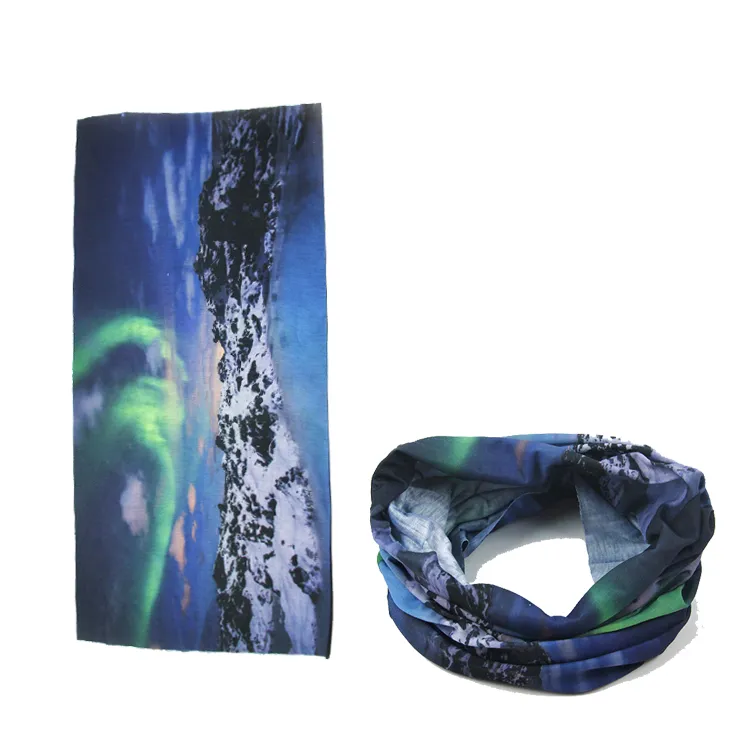
The modern outdoor enthusiast demands performance gear that can withstand challenging conditions while maintaining comfort throughout extended activities. A high-quality buff serves as an essential piece of multifunctional headwear that must deliver superior breathability and rapid moisture management. Professional manufacturers have developed sophisticated techniques and material technologies to ensure these critical performance characteristics meet the rigorous demands of athletes, outdoor workers, and adventure seekers worldwide.
Manufacturing excellence in the buff industry requires precise control over fabric composition, construction methods, and finishing processes. Leading manufacturers invest heavily in research and development to create products that balance durability with exceptional moisture-wicking capabilities. The integration of advanced synthetic fibers with natural materials creates a synergistic effect that enhances both breathability and quick-dry performance while maintaining the versatility that makes a buff indispensable for outdoor activities.
Quality control systems implemented by professional buff manufacturers ensure consistent performance across production batches. These systems monitor everything from fiber selection to final product testing, guaranteeing that each buff meets stringent performance standards. The commitment to excellence in manufacturing processes directly translates to superior user experience in challenging environmental conditions where reliable gear performance can make the difference between comfort and distress.
Advanced Fabric Technologies for Enhanced Breathability
Synthetic Fiber Engineering and Performance
Modern buff manufacturers utilize cutting-edge synthetic fibers specifically engineered for moisture management and air circulation. Polyester microfibers with modified cross-sections create enhanced surface area that facilitates rapid moisture transfer from skin to fabric exterior. These engineered fibers feature hollow cores and channel structures that promote airflow while maintaining structural integrity during repeated use and washing cycles.
Advanced polyamide blends incorporated into buff construction provide exceptional stretch recovery and dimensional stability while contributing to overall breathability. The molecular structure of these synthetic materials allows for efficient moisture vapor transmission, preventing the accumulation of perspiration that can lead to discomfort during intense physical activities. Manufacturers carefully balance fiber denier and yarn construction to optimize both breathability and durability in the final buff product.
Specialized treatment processes applied to synthetic fibers enhance their natural moisture-wicking properties. Chemical finishing agents create hydrophilic surfaces that attract moisture away from skin contact areas, while hydrophobic treatments on exterior surfaces promote rapid evaporation. This dual-action approach ensures that a buff maintains dry-feel comfort even during extended periods of high-intensity use in humid conditions.
Natural Fiber Integration and Hybrid Solutions
Strategic incorporation of natural fibers like merino wool and bamboo-derived viscose enhances the breathability characteristics of modern buff designs. Merino wool fibers possess inherent moisture-management properties due to their crimped structure and natural hydrophilic qualities. When blended with synthetic materials, these natural fibers create a buff that offers superior temperature regulation and odor resistance while maintaining quick-dry capabilities.
Bamboo-derived fibers contribute exceptional softness and natural antimicrobial properties to buff construction while supporting enhanced breathability. The cellular structure of bamboo fibers includes micro-gaps that facilitate air circulation and moisture transfer. Professional manufacturers leverage these natural characteristics by combining bamboo content with performance synthetics to create a buff that delivers comfort across varying temperature and humidity conditions.
Hemp fibers, increasingly utilized in premium buff manufacturing, provide excellent moisture absorption and release capabilities. The hollow structure of hemp fibers creates natural ventilation channels that enhance overall breathability. When properly integrated into buff construction, hemp content contributes to improved thermal regulation while supporting the quick-dry performance that active users demand from their gear.
Construction Methods That Maximize Air Circulation
Knitting Patterns and Structural Design
Specialized knitting techniques employed by professional buff manufacturers create fabric structures optimized for air circulation and moisture management. Open-mesh constructions in strategic areas allow for enhanced ventilation while maintaining coverage and protection. These engineered knitting patterns balance breathability requirements with the structural integrity necessary for a durable buff that withstands repeated use in demanding conditions.
Multi-layered knitting approaches enable manufacturers to create zones within a buff that serve different performance functions. Dense knitting in high-wear areas provides durability, while looser constructions in other zones maximize breathability. This targeted approach to fabric architecture ensures optimal performance characteristics throughout the entire buff structure without compromising overall functionality.
Seamless construction methods eliminate potential moisture-trapping seams while creating smooth surfaces that enhance air circulation around the buff perimeter. Circular knitting technologies allow manufacturers to produce seamless buff designs that minimize friction points and maximize comfort during extended wear. The elimination of traditional seaming also contributes to improved moisture-wicking performance by creating continuous fiber pathways for efficient moisture transfer.
Surface Treatments and Texture Engineering
Advanced surface treatments applied during buff manufacturing create micro-textures that enhance air circulation at the skin interface. Brushing treatments raise fiber ends to create a three-dimensional surface structure that increases air space between fabric and skin. This enhanced air circulation contributes to improved comfort and more efficient moisture evaporation during active use.
Chemical treatments that modify fiber surface energy characteristics improve moisture-wicking performance without compromising breathability. Hydrophilic treatments on skin-contact surfaces enhance moisture absorption, while complementary hydrophobic treatments on exterior surfaces promote rapid moisture release. These coordinated surface modifications create a buff that actively manages moisture transfer for optimal user comfort.
Mechanical finishing processes create controlled fabric porosity that enhances overall breathability while maintaining the protective qualities essential for outdoor use. Calendering and other compression techniques can be precisely controlled to achieve desired air permeability levels without sacrificing the durability characteristics that define quality buff construction. These finishing processes represent the final step in creating a buff that delivers professional-grade performance.
Quick-Dry Performance Through Material Innovation
Moisture Transport Mechanisms
Professional buff manufacturers implement sophisticated moisture transport systems that accelerate drying times through capillary action and enhanced surface area exposure. Engineered fiber geometries create wicking channels that rapidly move moisture from skin contact areas to fabric surfaces where evaporation can occur efficiently. These transport mechanisms ensure that a buff maintains dry-feel comfort even during high-output activities in challenging environmental conditions.
Multi-directional moisture movement capabilities built into modern buff construction prevent moisture accumulation in any single area of the fabric. Yarn orientation and knitting patterns work together to distribute moisture evenly across the entire buff surface, maximizing the available area for evaporation. This distributed approach to moisture management significantly reduces drying times compared to conventional fabric constructions.
Advanced polymer treatments create gradient moisture-wicking properties throughout buff fabric thickness. These treatments establish moisture concentration gradients that drive rapid transport from interior to exterior surfaces. The resulting quick-dry performance ensures that a buff returns to dry, comfortable condition rapidly after exposure to moisture, whether from perspiration or external sources.
Evaporation Enhancement Technologies
Specialized finishing treatments increase fabric surface area available for evaporation without compromising the structural integrity of the buff design. Micro-etching processes create enhanced surface topography that accelerates moisture evaporation rates. These treatments work at the molecular level to optimize the interface between fabric and surrounding air, maximizing the efficiency of the drying process.
Heat-setting processes applied during buff manufacturing create fiber arrangements that optimize air circulation around individual filaments. This enhanced air exposure accelerates evaporation rates while maintaining the flexibility and comfort characteristics essential for versatile buff applications. The precise control of heat-setting parameters allows manufacturers to fine-tune quick-dry performance for specific use applications.
Nanotechnology applications in premium buff manufacturing create ultra-thin surface coatings that enhance moisture evaporation without affecting breathability or hand-feel characteristics. These advanced treatments work by modifying surface energy relationships to promote rapid moisture release while maintaining the fabric properties that define quality buff performance. The integration of nanotechnology represents the cutting edge of quick-dry performance innovation.
Quality Control Systems for Performance Verification
Laboratory Testing Protocols
Comprehensive testing protocols implemented by professional buff manufacturers verify breathability performance through standardized air permeability measurements and moisture vapor transmission rate assessments. These laboratory evaluations ensure that each buff design meets specific performance criteria before entering production. Testing protocols evaluate performance under various temperature and humidity conditions to guarantee consistent functionality across diverse use environments.
Advanced testing equipment measures moisture-wicking rates and drying times under controlled conditions that simulate real-world use scenarios. These evaluations provide quantitative data that guides design optimization and quality control decisions. Regular testing of production samples ensures that manufacturing processes consistently deliver the performance characteristics that define quality buff products.
Durability testing protocols evaluate how breathability and quick-dry performance characteristics change over extended use periods and multiple washing cycles. These assessments ensure that a buff maintains its performance advantages throughout its expected service life. Long-term performance stability represents a critical quality factor that distinguishes professional-grade products from inferior alternatives.
Production Quality Assurance
Real-time monitoring systems track critical production parameters that affect breathability and quick-dry performance throughout the manufacturing process. Automated quality control systems detect variations in yarn tension, knitting density, and finishing treatment applications that could compromise performance characteristics. These monitoring systems ensure consistent quality across all production batches.
Statistical process control methods analyze performance test data to identify trends and optimize manufacturing parameters for enhanced breathability and quick-dry functionality. These analytical approaches enable continuous improvement in buff performance while maintaining production efficiency. Data-driven quality control ensures that each buff meets the demanding performance standards expected by professional users.
Final inspection procedures verify that completed buff products meet all performance specifications before packaging and distribution. These comprehensive evaluations include visual inspection, dimensional verification, and performance testing to ensure that every buff delivers the promised capabilities. Rigorous quality assurance processes protect brand reputation and ensure customer satisfaction with product performance.
FAQ
What makes some buff materials more breathable than others
Breathability in buff materials depends primarily on fiber type, yarn construction, and fabric architecture. Synthetic microfibers with modified cross-sections and hollow cores provide superior air circulation compared to solid fiber constructions. The knitting pattern and fabric density also significantly influence breathability, with open mesh structures and lower density constructions allowing better air flow. Natural fibers like merino wool contribute breathability through their crimped structure and natural moisture-management properties.
How quickly should a quality buff dry after getting wet
A well-designed buff should dry completely within 30 to 60 minutes under normal air circulation conditions after being thoroughly wetted. Quick-dry performance depends on fabric thickness, fiber composition, and ambient conditions including temperature and humidity. Premium synthetic blends typically achieve faster drying times than pure natural fiber constructions, while specialized moisture-wicking treatments can reduce drying times by 25-40% compared to untreated fabrics.
Do washing and care methods affect breathability performance over time
Proper care maintains breathability and quick-dry performance throughout the buff lifespan, while incorrect washing can significantly degrade these characteristics. Fabric softeners and bleach can clog fiber pores and reduce moisture-wicking capabilities. Cold water washing with technical detergents preserves performance treatments and maintains fabric structure. Air drying prevents heat damage that can compromise synthetic fiber performance, while proper storage prevents compression that might affect fabric porosity.
Can manufacturers customize breathability levels for specific applications
Professional buff manufacturers can adjust breathability characteristics through fiber selection, yarn modification, knitting pattern optimization, and finishing treatment customization. Different applications may require varying levels of breathability, from maximum air circulation for high-intensity activities to moderate breathability for temperature regulation in variable conditions. Custom manufacturing allows for precise tuning of performance characteristics to meet specific user requirements and environmental conditions.