 EN
EN

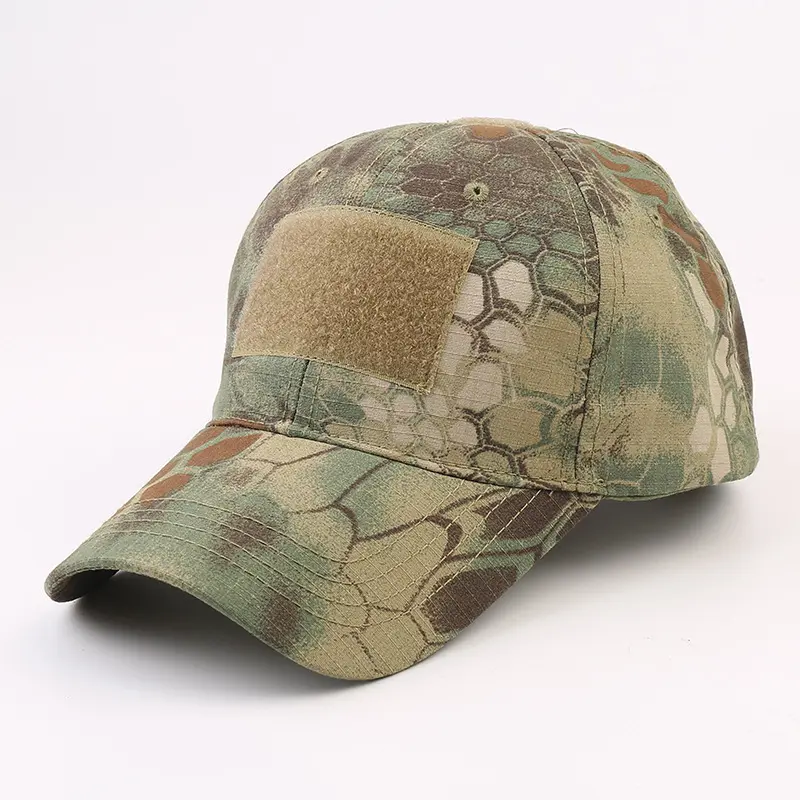
Manufacturing dad caps in large quantities while maintaining consistent panel shape presents unique challenges that require specialized techniques, precision equipment, and strict quality control measures. Professional manufacturers employ various methods to ensure every dad cap in a bulk order meets the same exacting standards for panel alignment, crown shape, and overall structural integrity. The success of bulk production depends heavily on establishing standardized processes that can be replicated across thousands of units without compromising the distinctive characteristics that make each dad cap appealing to consumers.
Panel Shaping Fundamentals in Dad Cap Production
Understanding Six-Panel Construction Architecture
The traditional dad cap design features six distinct panels that must be precisely cut and assembled to create the characteristic unstructured crown shape. Each panel requires specific measurements and curves to ensure proper fit and appearance when sewn together. Manufacturing facilities use computer-aided design systems to create templates that maintain consistency across all dad cap production runs. These digital patterns account for fabric stretch, seam allowances, and the natural settling that occurs during the assembly process.
Quality manufacturers invest in high-precision cutting equipment that can reproduce identical panel shapes from various fabric types. The cutting process must account for different material behaviors, as cotton twill responds differently than canvas or synthetic blends during shaping. Advanced cutting tables equipped with laser guidance systems help operators maintain exact panel dimensions throughout extended production runs, ensuring each dad cap component meets specifications.
Material Selection Impact on Panel Consistency
Fabric choice significantly influences how well panels maintain their intended shape during manufacturing and subsequent wear. Premium dad cap manufacturers carefully evaluate fabric weight, weave structure, and stretch properties before committing to bulk production. Materials with consistent thread count and uniform density provide better predictability in shaping and finishing processes. Cotton-poly blends offer excellent shape retention while providing the soft, comfortable feel consumers expect from quality dad caps.
Pre-shrinking treatments applied to fabrics before cutting prevent dimensional changes that could affect panel alignment during assembly. Manufacturers test fabric samples under various conditions to predict how materials will behave throughout the production cycle. This testing phase helps identify potential issues before they impact entire production runs, saving time and resources while maintaining product quality standards.
Advanced Manufacturing Techniques for Bulk Consistency
Automated Assembly Line Integration
Modern dad cap production facilities utilize sophisticated assembly line systems that integrate multiple stations for cutting, stitching, and shaping operations. Each station is calibrated to work within precise tolerances, ensuring consistent results regardless of production volume. Automated feed systems deliver pre-cut panels to sewing stations in the correct sequence, reducing handling errors that could affect panel alignment. Computer-controlled sewing machines maintain consistent stitch density and tension across all seams, contributing to uniform panel shape retention.
Quality control checkpoints throughout the assembly line allow operators to identify and correct deviations before they propagate through subsequent production stages. Digital monitoring systems track key measurements at each station, providing real-time feedback that enables immediate adjustments when parameters drift outside acceptable ranges. This systematic approach ensures every dad cap meets the same quality standards regardless of its position in the production sequence.
Heat Press Shaping and Forming Technologies
Professional manufacturers employ specialized heat press equipment designed specifically for dad cap crown shaping. These machines apply controlled temperature and pressure to set panel curves and eliminate wrinkles that could affect the final appearance. The pressing process must be carefully timed and temperature-controlled to avoid fabric damage while achieving optimal shape retention. Different fabric types require specific press settings, and operators are trained to adjust parameters based on material characteristics and environmental conditions.
Steam pressing techniques help relax fabric fibers before final shaping, allowing panels to conform more easily to desired contours. This process is particularly important when working with heavier fabrics or complex panel configurations that require precise curve formation. Manufacturers often use custom-designed pressing blocks that match their specific dad cap crown profiles, ensuring consistent results across all production units.
Quality Control Protocols for Panel Shape Verification
Measurement Standards and Inspection Procedures
Establishing comprehensive measurement standards forms the foundation of successful bulk dad cap production. Manufacturers create detailed specification sheets that define acceptable tolerances for panel dimensions, seam placement, and overall crown shape. These standards guide both production personnel and quality control inspectors throughout the manufacturing process. Regular calibration of measuring equipment ensures accuracy and consistency in evaluation procedures.
Random sampling protocols require inspection teams to evaluate a predetermined percentage of dad caps from each production batch. Inspectors use specialized gauges and templates to verify panel alignment, crown height, and circumference measurements. Any units that fall outside established tolerances are removed from the batch and analyzed to determine root causes. This data helps identify trends that could indicate equipment drift or process variations requiring correction.
Statistical Process Control Implementation
Advanced manufacturers implement statistical process control systems that track key quality metrics throughout production cycles. These systems identify patterns and trends that might not be apparent through visual inspection alone. By monitoring variables such as panel alignment deviation, seam consistency, and crown shape variation, manufacturers can predict when adjustments are needed to maintain quality standards. Control charts help visualize performance trends and guide decision-making for process improvements.
Data collection from multiple production lines enables manufacturers to compare performance and identify best practices that can be standardized across all operations. This approach helps ensure consistent dad cap quality regardless of which production line handles a specific order. Regular analysis of quality data also supports continuous improvement initiatives that enhance overall manufacturing efficiency and product consistency.
Equipment Calibration and Maintenance Strategies
Precision Machinery Setup Procedures
Maintaining consistent panel shapes in dad cap production requires meticulous attention to equipment calibration and setup procedures. Cutting machines must be regularly calibrated to ensure blade angles and pressure settings remain within specified parameters. Even minor deviations in cutting equipment can result in panel dimensions that compromise the final product quality. Manufacturers establish detailed setup protocols that technicians follow for each new production run, including verification procedures to confirm equipment readiness.
Sewing machine calibration involves adjusting thread tension, stitch length, and feed mechanisms to match specific fabric requirements and seam specifications. Each dad cap style may require different machine settings, and operators must document these parameters to ensure reproducibility across production runs. Regular maintenance schedules prevent equipment wear from affecting stitch quality and panel alignment accuracy.
Preventive Maintenance Programs
Comprehensive maintenance programs help manufacturers avoid production disruptions that could compromise dad cap quality consistency. These programs include regular inspection of cutting blades, sewing machine components, and pressing equipment to identify wear patterns before they affect product quality. Predictive maintenance techniques using vibration analysis and temperature monitoring help identify potential equipment failures before they occur, preventing costly production delays and quality issues.
Spare parts inventory management ensures critical components are available when needed for repairs or routine replacement. Manufacturers often maintain relationships with multiple suppliers to avoid disruptions caused by parts availability issues. Training programs keep maintenance personnel updated on the latest techniques and technologies relevant to dad cap manufacturing equipment, supporting consistent performance across all production systems.
Training and Workforce Development
Operator Skill Development Programs
Skilled operators play a crucial role in maintaining consistent panel shapes throughout dad cap production runs. Comprehensive training programs ensure workers understand the importance of precision in cutting, sewing, and assembly operations. New employees typically undergo extensive hands-on training that covers proper handling techniques, quality standards, and troubleshooting procedures for common issues that could affect panel shape consistency.
Ongoing education programs keep experienced operators updated on new techniques and equipment capabilities that can improve production consistency. Cross-training initiatives help create versatile workers who can move between different stations as needed while maintaining quality standards. Regular skill assessments ensure operators remain proficient in all aspects of dad cap manufacturing that affect final product quality.
Quality Awareness and Continuous Improvement
Creating a culture of quality awareness helps ensure every team member understands their role in maintaining consistent dad cap panel shapes. Regular team meetings provide forums for discussing quality issues, sharing best practices, and implementing improvements suggested by production personnel. Employee suggestion programs encourage workers to identify opportunities for process enhancements that could improve consistency or efficiency.
Recognition programs that reward employees for maintaining high quality standards help reinforce the importance of precision in dad cap manufacturing. These initiatives create positive incentives for workers to take pride in their craftsmanship and attention to detail. Quality metrics are often displayed prominently in production areas to keep teams focused on performance goals and celebrate achievements in consistency and efficiency.
FAQ
What factors most significantly impact panel shape consistency in bulk dad cap production
The most critical factors affecting panel shape consistency include fabric selection and preparation, cutting precision, assembly techniques, and quality control procedures. Material characteristics such as stretch, weight, and weave structure directly influence how panels maintain their intended shape throughout manufacturing and subsequent wear. Precise cutting equipment and standardized assembly procedures help ensure consistent results across large production runs. Regular quality control inspections catch deviations early and prevent issues from affecting entire batches.
How do manufacturers ensure consistent crown height across thousands of dad caps
Consistent crown height is achieved through standardized cutting templates, precise sewing techniques, and controlled pressing operations. Manufacturers use computer-aided design systems to create accurate panel patterns that account for seam allowances and fabric behavior during assembly. Automated sewing equipment maintains consistent stitch density and tension, while specialized pressing equipment applies controlled heat and pressure to set the final crown shape. Quality control inspectors use gauges and templates to verify crown height measurements throughout production.
What role does fabric pre-treatment play in maintaining panel shape consistency
Fabric pre-treatment, including pre-shrinking and stabilization processes, prevents dimensional changes that could affect panel alignment during dad cap assembly and after customer use. These treatments ensure materials behave predictably throughout manufacturing operations, reducing variations that could compromise consistency. Pre-treatment also improves fabric handling characteristics during cutting and sewing operations, contributing to more precise assembly and better shape retention in the finished product.
How do quality control systems detect panel shape variations in bulk production
Quality control systems use statistical sampling protocols combined with precise measurement tools to detect variations in panel shape and overall dad cap construction. Inspectors employ specialized gauges, templates, and digital measuring devices to verify key dimensions against established tolerances. Statistical process control systems track quality metrics over time, identifying trends that might indicate equipment drift or process variations requiring correction. Random sampling ensures representative quality evaluation across entire production batches.
Table of Contents
- Panel Shaping Fundamentals in Dad Cap Production
- Advanced Manufacturing Techniques for Bulk Consistency
- Quality Control Protocols for Panel Shape Verification
- Equipment Calibration and Maintenance Strategies
- Training and Workforce Development
-
FAQ
- What factors most significantly impact panel shape consistency in bulk dad cap production
- How do manufacturers ensure consistent crown height across thousands of dad caps
- What role does fabric pre-treatment play in maintaining panel shape consistency
- How do quality control systems detect panel shape variations in bulk production