 EN
EN
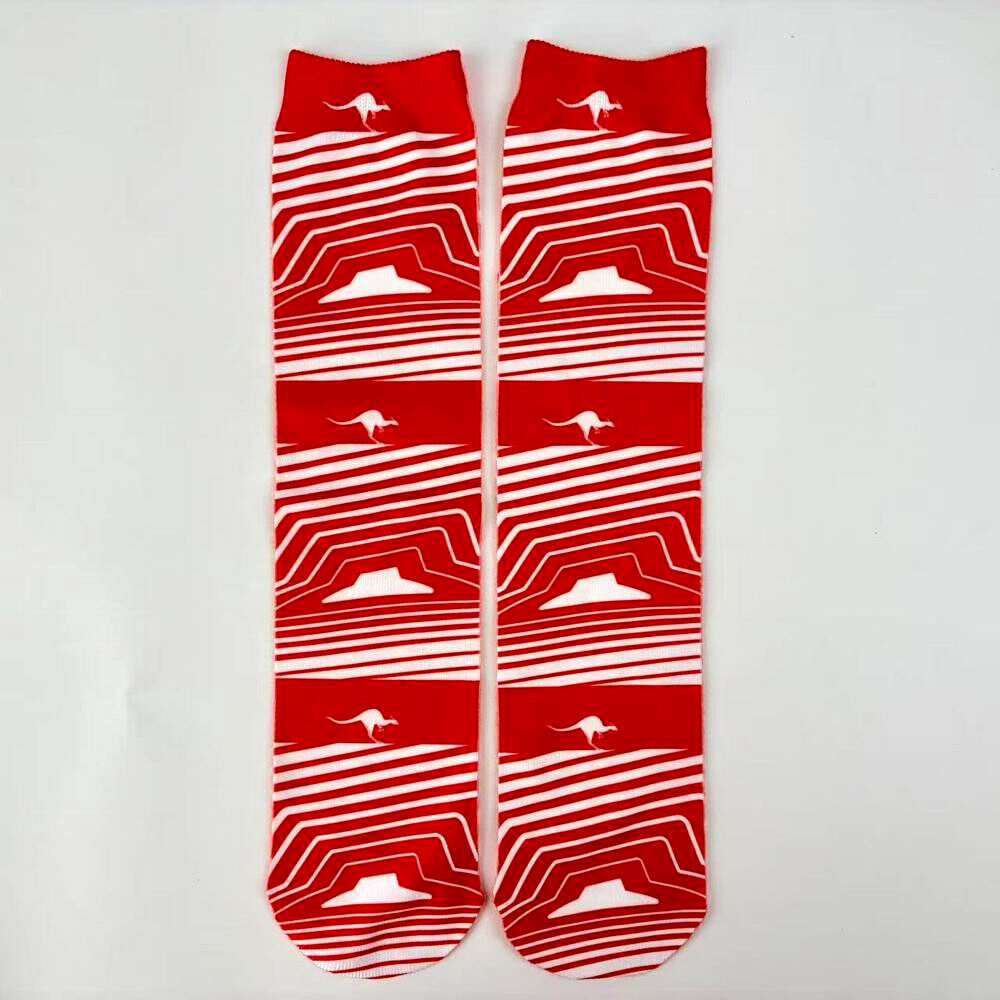
Selecting the right socks can transform your entire outfit and comfort level throughout the day. Whether you're heading to a business meeting, embarking on a weekend adventure, or simply lounging at home, the perfect pair of socks makes all the difference. Understanding the various materials, styles, and features available helps you make informed decisions that enhance both your appearance and foot health. From moisture-wicking properties to cushioning technology, modern socks offer sophisticated solutions for every lifestyle need.
Understanding Different Sock Materials and Their Benefits
Cotton Sock Advantages
Cotton remains one of the most popular materials for everyday socks due to its natural breathability and softness against the skin. High-quality cotton socks provide excellent comfort for casual wear and moderate activity levels. The natural fibers allow air circulation, helping to prevent excessive moisture buildup during normal daily activities. Cotton blends often incorporate synthetic fibers to enhance durability and stretch, creating socks that maintain their shape wash after wash.
Organic cotton options offer additional benefits for those with sensitive skin or environmental concerns. These socks typically feature fewer chemical treatments during manufacturing, resulting in a gentler feel against the skin. Cotton socks work exceptionally well for office environments, casual outings, and situations where you need reliable comfort without extreme performance requirements.
Synthetic Performance Materials
Modern synthetic materials like polyester, nylon, and spandex create high-performance socks designed for active lifestyles. These materials excel at moisture management, quickly wicking sweat away from the skin to keep feet dry during intense activities. Synthetic socks often incorporate advanced cushioning systems and targeted compression zones to enhance athletic performance and reduce fatigue.
The durability of synthetic materials makes these socks ideal for frequent wear and washing. Many synthetic blends resist odor buildup better than natural fibers, making them perfect for extended wear situations. Athletes and fitness enthusiasts particularly appreciate how synthetic socks maintain their supportive properties even after numerous wash cycles.
Wool and Natural Fiber Options
Merino wool represents the premium choice for temperature regulation and natural odor resistance. These socks provide excellent insulation in cold weather while remaining breathable enough for moderate temperatures. Wool naturally regulates moisture and temperature, making it versatile for various climates and activity levels. The natural antimicrobial properties of wool help prevent odor development, even during extended wear.
Bamboo fiber socks offer another natural alternative with unique benefits. Bamboo provides natural antibacterial properties and exceptional softness, often described as silky against the skin. These eco-friendly options appeal to environmentally conscious consumers while delivering excellent comfort and moisture management capabilities.
Selecting Socks Based on Activity and Occasion
Professional and Business Settings
Business environments require socks that complement professional attire while providing all-day comfort. Dress socks typically feature finer gauge knitting and sophisticated color options that coordinate with business shoes and trousers. Mid-calf or over-the-calf lengths prevent unsightly gaps when sitting or crossing legs during meetings. Quality business socks often incorporate subtle patterns or textures that add visual interest without appearing overly casual.
Comfort features become crucial during long workdays spent primarily sitting or standing. Look for socks with reinforced toe and heel areas to prevent premature wear, especially if you frequently remove shoes during the workday. Moisture-wicking properties help maintain comfort in climate-controlled office environments where temperature regulation matters.
Athletic and Fitness Activities
Different sports and fitness activities place unique demands on foot gear, requiring specialized sock features. Running socks prioritize moisture management and blister prevention through seamless toe construction and targeted cushioning zones. The placement of padding varies depending on your running style and the type of surfaces you frequent. Trail runners often prefer additional cushioning in the forefoot area, while road runners might prioritize heel and arch support.
Cross-training and gym activities benefit from socks with enhanced lateral support and stability features. These socks often include compression elements around the arch and ankle to provide additional support during multi-directional movements. Basketball and tennis players particularly appreciate socks with extra cushioning in high-impact zones and moisture-wicking properties to maintain grip and comfort.
Casual and Everyday Wear
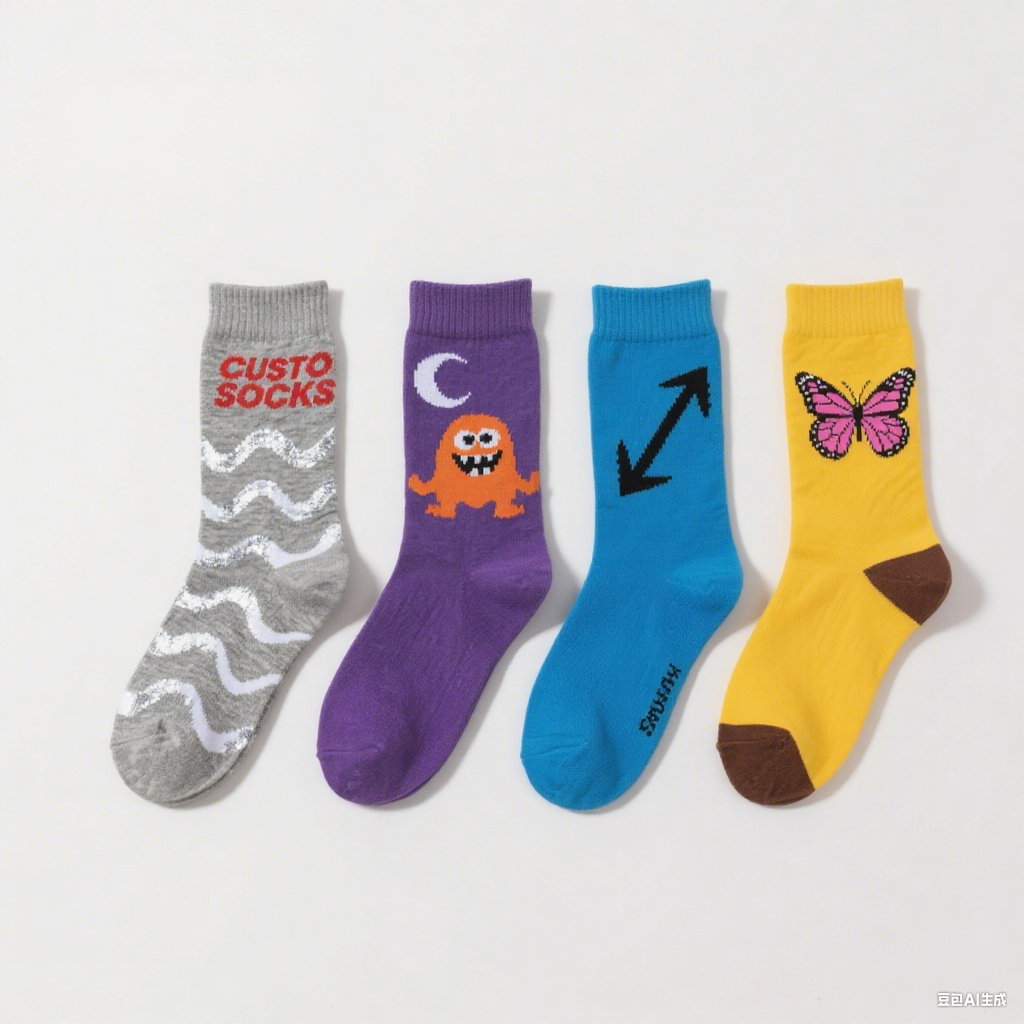
Casual socks offer the greatest variety in terms of style, color, and fun patterns while maintaining essential comfort features. Weekend activities and relaxed social settings allow for more creative expression through sock choices. Comfort remains paramount, but you have freedom to experiment with bold colors, interesting textures, and playful designs that reflect your personality.
Consider the types of shoes you'll wear most frequently when selecting casual socks. Sneakers pair well with crew or ankle-length socks, while loafers might require no-show or low-cut options. The versatility of casual socks makes them suitable for various activities, from running errands to social gatherings.
Key Features to Consider When Shopping
Cushioning and Support Systems
Modern socks incorporate sophisticated cushioning technologies that target specific pressure points on the foot. Heel and toe cushioning provides impact absorption during walking and standing, while arch support helps reduce fatigue during extended wear. Some socks feature graduated cushioning that varies in thickness across different foot zones, optimizing comfort for specific activities or foot types.
Compression features offer additional benefits for circulation and muscle support. Light compression around the arch and ankle can help reduce swelling and improve blood flow, particularly beneficial for people who spend long hours on their feet. Medical-grade compression socks provide therapeutic benefits but should be selected based on specific health needs and professional recommendations.
Fit and Sizing Considerations
Proper sock fit prevents bunching, sliding, and uncomfortable pressure points that can lead to blisters or hot spots. Quality socks often feature anatomical design elements that follow the natural contours of the foot. Left and right specific designs optimize fit and comfort, though they typically come at a premium price point.
Pay attention to sizing charts provided by manufacturers, as sock sizes can vary between brands. Some companies offer wide or narrow options to accommodate different foot shapes. The toe box area should provide adequate room without excess fabric that might bunch up inside shoes, while the heel should sit properly without shifting during movement.
Durability and Care Requirements
Investment in quality socks pays dividends through extended wear life and maintained performance characteristics. Reinforced stress points, particularly in the heel and toe areas, significantly extend sock lifespan. Double-layered construction in high-wear zones prevents holes and maintains structural integrity through numerous wash cycles.
Understanding care requirements helps maintain sock performance and appearance over time. Some high-performance materials require specific washing temperatures or drying methods to preserve their technical properties. Reading and following care instructions ensures that your socks continue performing as intended while maintaining their fit and comfort features.
Common Mistakes to Avoid When Choosing Socks
Ignoring Material Properties
Many people default to cotton socks for all occasions without considering how different materials serve specific purposes. While cotton works well for casual wear, it retains moisture during intense activities and can lead to discomfort or blister formation. Understanding when to choose synthetic, wool, or blend materials based on your planned activities prevents common comfort issues.
Overlooking the importance of fabric weight can also impact comfort and performance. Thin dress socks might not provide adequate cushioning for active days, while thick athletic socks could feel overwhelming in sleek dress shoes. Matching sock thickness to your shoes and activities ensures optimal fit and comfort throughout the day.
Neglecting Proper Fit
Purchasing socks without considering proper length and fit leads to various issues that affect both comfort and appearance. Socks that are too short may slide down into shoes, creating uncomfortable bunching and potential hot spots. Conversely, socks that are too long might bunch up at the toes or create visible lines under fitted shoes.
Size discrepancies between different brands mean that your usual size might not translate directly across all manufacturers. Taking time to check sizing charts and understanding how different brands fit prevents ordering mistakes and ensures optimal comfort from your sock investments.
FAQ
How often should I replace my socks?
The replacement frequency for socks depends on usage patterns, material quality, and care practices. High-quality dress socks worn occasionally might last several years, while daily-wear athletic socks typically need replacement every 6-12 months. Signs that indicate replacement time include visible thinning in heel or toe areas, loss of elastic support, persistent odors that don't wash out, and holes or runs in the fabric. Rotating multiple pairs and following proper care instructions extends sock lifespan significantly.
What sock length works best with different shoe styles?
Sock length coordination with footwear creates polished, comfortable looks across various occasions. No-show or ankle socks work perfectly with sneakers, loafers, and boat shoes for casual settings. Crew-length socks suit boots, high-top sneakers, and casual shoes while providing adequate coverage. Over-the-calf dress socks complement business shoes and prevent unsightly gaps when sitting or crossing legs in professional settings. The key is ensuring adequate coverage without visible sock lines that clash with your overall aesthetic.
Can wearing the wrong socks cause foot problems?
Inappropriate sock choices can contribute to various foot issues including blisters, fungal infections, and circulation problems. Moisture-retaining materials worn during active periods create environments conducive to bacterial and fungal growth. Poorly fitting socks cause friction and pressure points that develop into painful blisters or calluses. Socks without adequate cushioning can contribute to foot fatigue and discomfort during extended standing or walking. Choosing appropriate materials, fit, and features for your activities helps maintain foot health and comfort.
Do expensive socks justify their higher cost?
Premium socks often justify their cost through superior materials, construction quality, and performance features that enhance comfort and durability. High-end socks typically incorporate advanced moisture-wicking technologies, reinforced stress points, and specialized cushioning systems not found in budget options. The improved comfort, longer lifespan, and better performance characteristics often result in better value over time despite higher initial investment. However, the best choice depends on your specific needs, usage patterns, and budget considerations rather than price alone.