 EN
EN
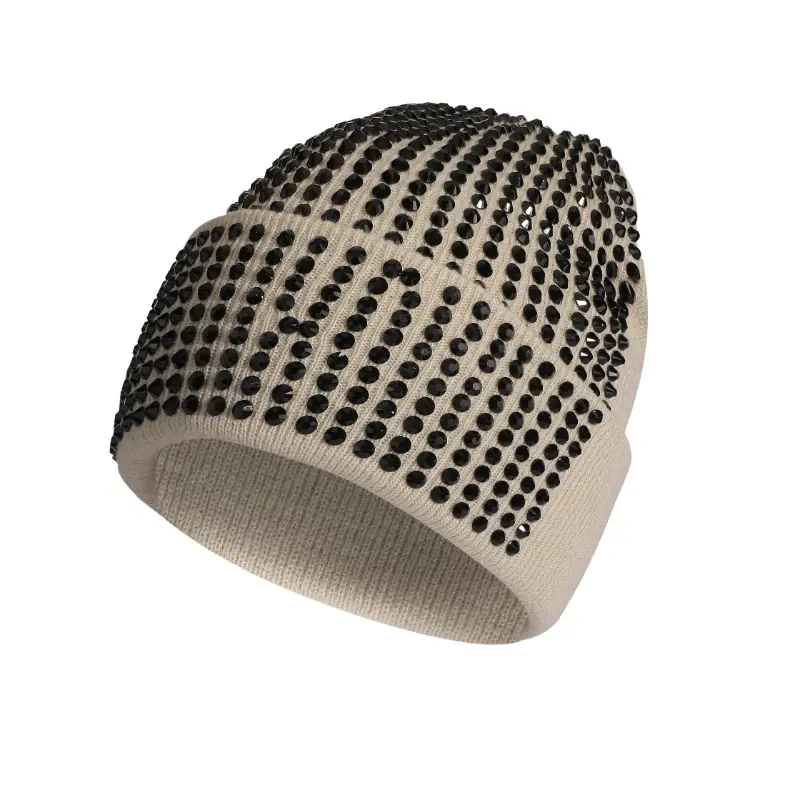
Selecting the right hat can transform your entire look and boost your confidence. The key to finding the perfect hat lies in understanding your unique face shape and how different hat styles complement or contrast with your natural features. Many people struggle with choosing headwear that enhances their appearance, often settling for styles that don't quite work for their facial structure. Understanding the relationship between face shape and hat selection is crucial for making informed fashion choices that highlight your best features.
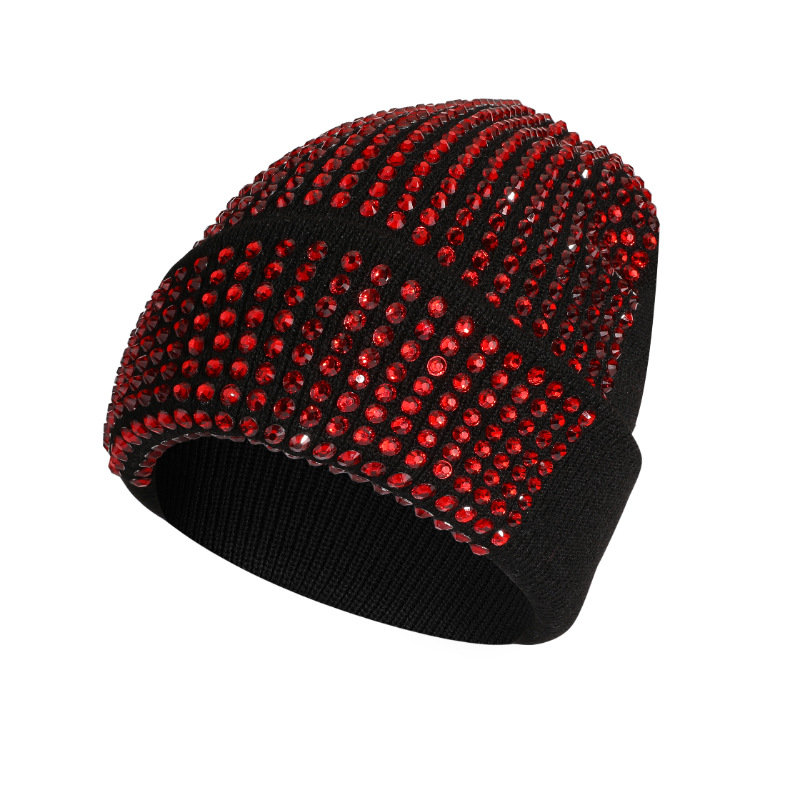
The art of hat selection goes beyond mere fashion preferences. Your face shape serves as the foundation for determining which hat styles will create the most flattering silhouette. Different hat styles can either balance your features or emphasize certain characteristics, depending on how they interact with your facial proportions. Professional stylists and fashion experts consistently emphasize that the right hat should complement, not compete with, your natural bone structure.
Modern hat fashion offers an incredible variety of styles, from classic baseball caps to sophisticated fedoras, each designed to suit different occasions and face shapes. The contemporary hat market has evolved to include innovative designs that blend traditional craftsmanship with modern aesthetics. Whether you're seeking casual everyday wear or formal occasion pieces, understanding the principles of face shape compatibility will guide you toward making the best choices for your wardrobe.
Understanding Different Face Shapes
Identifying Your Face Shape
Determining your face shape requires careful observation of your facial proportions and bone structure. The most common face shapes include oval, round, square, heart-shaped, and oblong, each with distinct characteristics that influence hat selection. To identify your face shape accurately, measure the width of your forehead, cheekbones, and jawline, then compare these measurements to determine which category best describes your features.
Photography can be an excellent tool for face shape analysis. Take a straight-on photo of yourself with your hair pulled back, then trace the outline of your face on the image. This visual approach often makes it easier to see the overall shape and proportions that might not be immediately obvious when looking in a mirror. Professional stylists frequently use this technique to help clients understand their facial structure.
Characteristics of Each Face Shape
Oval faces are considered the most versatile for hat wearing, characterized by balanced proportions where the length is approximately one and a half times the width. Round faces feature soft curves with similar width and length measurements, while square faces display strong angular jawlines with equal width at the forehead and jaw. Heart-shaped faces are wider at the forehead and temples, tapering to a narrower chin, whereas oblong faces are longer than they are wide with relatively straight sides.
Each face shape presents unique opportunities and challenges when selecting headwear. Understanding these characteristics helps you identify which hat styles will create the most harmonious balance with your natural features. The goal is to choose a hat that either complements your face shape's natural proportions or creates visual balance by adding structure where needed.
Hat Styles for Different Face Shapes
Best Hat Options for Round Faces
Round faces benefit from hat styles that add height and create vertical lines to elongate the appearance of the face. Angular hat shapes work exceptionally well, as they provide contrast to the soft curves of round features. Fedoras with structured crowns, baseball caps with higher profiles, and wide-brimmed hats with defined edges are excellent choices for round face shapes.
Avoid hats that mirror the roundness of your face, such as bowler hats or beanies that sit close to the head. Instead, opt for styles with asymmetrical elements or geometric details that break up the circular silhouette. A well-chosen hat with proper structure can create the illusion of length and add sophisticated definition to round features.
Optimal Choices for Square Faces
Square faces require hat styles that soften the angular jawline and add curves to balance the strong geometric features. Rounded hat crowns, soft brims, and flowing lines work best to counteract the sharp angles of a square face shape. Cloche hats, soft fedoras, and rounded baseball caps with curved brims are particularly flattering for this face type.
Steer clear of hats with sharp, structured lines that would emphasize the already strong angular features of a square face. Instead, choose hat styles with gentle curves and softer silhouettes that create a more balanced overall appearance. The key is to introduce organic shapes that complement rather than compete with your natural bone structure.
Color and Material Considerations
Choosing Colors That Complement Your Features
Color selection plays a crucial role in hat selection, as different hues can either enhance or detract from your natural coloring. Consider your skin tone, hair color, and eye color when choosing hat colors. Warm undertones typically pair well with earth tones, rich browns, and warm grays, while cool undertones are complemented by blues, purples, and cool grays.
Neutral colors like black, navy, and beige offer versatility and can be paired with multiple outfits. However, don't be afraid to experiment with bold colors that reflect your personality and style preferences. A vibrant hat can serve as a statement piece that elevates your entire outfit and showcases your individual fashion sense.
Seasonal color choices also influence hat selection. Lighter colors work well for spring and summer occasions, while deeper, richer tones are perfect for fall and winter styling. Consider building a hat collection that includes both neutral staples and seasonal accent pieces to maximize your styling options throughout the year.
Material Impact on Style and Function
The material of your hat significantly affects both its appearance and functionality. Cotton and canvas materials offer breathability and casual styling options, making them ideal for everyday wear and outdoor activities. Wool felt provides structure and sophistication, perfect for formal occasions and cooler weather conditions.
Straw and lightweight synthetic materials are excellent for warm weather, offering sun protection while maintaining comfort. Leather and suede materials add texture and luxury appeal but require more careful maintenance. The choice of material should align with your intended use, climate considerations, and personal style preferences.
Quality materials not only enhance the appearance of your hat but also ensure durability and longevity. Investing in well-constructed hats made from premium materials will provide better value over time and maintain their shape and appearance through regular wear and proper care.
Styling Tips and Fashion Integration
Coordinating Hats with Your Wardrobe
Successful hat styling involves understanding how headwear integrates with your overall outfit composition. Your hat should complement your clothing choices rather than clash or compete for attention. Consider the formality level of your outfit when selecting a hat, ensuring that casual hats pair with relaxed clothing and more sophisticated hat styles accompany formal attire.
Proportional balance is essential when incorporating a hat into your look. Larger hat brims work well with flowing, loose-fitting clothing, while smaller, more structured hat styles pair better with tailored, fitted garments. The goal is to create visual harmony between all elements of your outfit, including your hat selection.
Pattern mixing requires careful consideration when wearing a hat. If your hat features patterns or decorative elements, balance them with solid-colored clothing to avoid visual overload. Conversely, a simple, solid-colored hat can beautifully complement patterned clothing and allow those design elements to shine.
Seasonal and Occasion-Appropriate Styling
Different seasons and occasions call for specific hat styling approaches. Summer occasions often benefit from light-colored, breathable hat materials that provide sun protection while maintaining comfort. Winter styling allows for richer colors and heavier materials that offer warmth while complementing seasonal clothing choices.
Professional settings typically require more conservative hat choices, focusing on classic styles in neutral colors that enhance rather than distract from your professional image. Casual weekend activities allow for more creative and bold hat selections that express your personal style and complement relaxed clothing choices.
Special events and formal occasions present opportunities to showcase more sophisticated hat styles that serve as elegant accessories. Consider the venue, time of day, and dress code requirements when selecting formal hat options, ensuring your choice enhances the overall elegance of your appearance.
Common Hat Selection Mistakes to Avoid
Sizing and Fit Issues
Proper hat fit is fundamental to achieving a polished appearance and ensuring comfort during wear. Many people make the mistake of choosing hats that are too large or too small for their head size, resulting in an unflattering look and potential discomfort. Measure your head circumference accurately before purchasing a hat, and always try on different sizes when possible.
A properly fitted hat should sit comfortably on your head without being too tight or loose enough to slide around. The hat should rest naturally on your head, typically sitting about one finger's width above your eyebrows. Pay attention to pressure points that might indicate the hat is too small, as this can cause headaches and leave unflattering marks.
Different hat styles may require slightly different fitting approaches. Baseball caps and structured hats often feature adjustable mechanisms, while fitted hats require precise sizing. Consider the type of hat construction and adjustment options available when making your selection to ensure optimal comfort and appearance.
Ignoring Personal Style Preferences
While understanding face shape compatibility is important, completely ignoring your personal style preferences can result in hat choices that feel inauthentic or uncomfortable. The best hat selection balances technical considerations with individual taste and lifestyle needs. Consider how different hat styles align with your existing wardrobe and personal aesthetic preferences.
Your lifestyle and daily activities should also influence hat selection decisions. If you lead an active lifestyle, prioritize functional hat features like moisture-wicking materials and secure fit mechanisms. For those with more formal professional requirements, focus on classic styles that maintain their appearance throughout the day.
Confidence plays a crucial role in successfully wearing any hat style. Choose options that make you feel comfortable and confident, as this positive energy will enhance your overall appearance more than any technical styling rule. The perfect hat should feel like a natural extension of your personal style rather than a forced fashion statement.
Care and Maintenance for Long-lasting Hats
Proper Storage Techniques
Maintaining your hat collection requires proper storage methods that preserve shape and prevent damage. Store hats in a cool, dry environment away from direct sunlight, which can cause fading and material deterioration. Use hat boxes or designated storage areas that allow each hat to maintain its natural shape without being crushed or deformed.
For structured hats like fedoras and baseball caps, consider using hat forms or stuffing the crown with acid-free tissue paper to maintain shape during storage. Avoid stacking hats directly on top of each other, as this can cause permanent indentations and shape distortion. Create adequate space between stored hats to allow for air circulation and prevent moisture buildup.
Seasonal rotation of your hat collection helps ensure that each piece receives appropriate care and attention. Store off-season hats in protective covers or boxes, and bring current season options to easily accessible storage locations. This practice helps maintain the condition of your entire collection while making daily selection more convenient.
Cleaning and Maintenance Best Practices
Regular cleaning and maintenance extend the life of your hat collection and keep each piece looking its best. Different materials require specific cleaning approaches, so always check manufacturer care instructions before attempting any cleaning procedures. Gentle brushing with appropriate tools removes surface dirt and debris without damaging delicate materials.
Spot cleaning techniques work well for addressing minor stains and marks without subjecting the entire hat to intensive cleaning processes. Use appropriate cleaning solutions based on the hat material, testing any products on an inconspicuous area first. Professional cleaning services may be necessary for valuable or delicate hat pieces that require specialized care.
Preventive maintenance practices help avoid major cleaning needs and extend hat longevity. Handle hats by the brim rather than the crown to prevent oil transfer and shape distortion. Allow hats to air dry completely after exposure to moisture, and avoid exposing them to extreme temperatures that could cause material damage or shrinkage.
FAQ
How do I measure my head for the correct hat size
To measure your head for proper hat sizing, use a flexible measuring tape positioned about one inch above your eyebrows and ears, wrapping it around the largest part of your head. Keep the tape snug but not tight, and record the measurement in inches or centimeters. Most hat retailers provide sizing charts that convert head measurements to standard hat sizes, typically ranging from small to extra-large with specific inch measurements for each size category.
Can I wear a hat if I have a very small or large head
Yes, people with smaller or larger head sizes can definitely find flattering hat options with proper selection strategies. For smaller heads, look for hats with adjustable features, smaller brims, and proportionate crowns that won't overwhelm your features. Those with larger heads should seek out brands that offer extended sizing, structured crowns that provide adequate coverage, and avoid hats with very small brims that might look disproportionate to head size.
What hat styles work best for people who wear glasses
Glasses wearers should choose hat styles with adequate clearance around the temple area and brims that don't interfere with the glasses' arms. Baseball caps, beanies, and wide-brimmed hats with flexible materials typically work well with eyewear. Avoid hats that sit too low on the forehead or have rigid brims that might push against your glasses frames, causing discomfort or positioning issues.
How many hats should I own for a well-rounded collection
A well-rounded hat collection typically includes 3-5 essential pieces covering different occasions and seasons. Consider owning a casual everyday option like a baseball cap, a formal piece such as a fedora or sophisticated hat style, a warm weather option for sun protection, and a cold weather hat for warmth. This foundation can be expanded based on personal preferences, lifestyle needs, and fashion interests, but these basics provide versatility for most situations.