 EN
EN
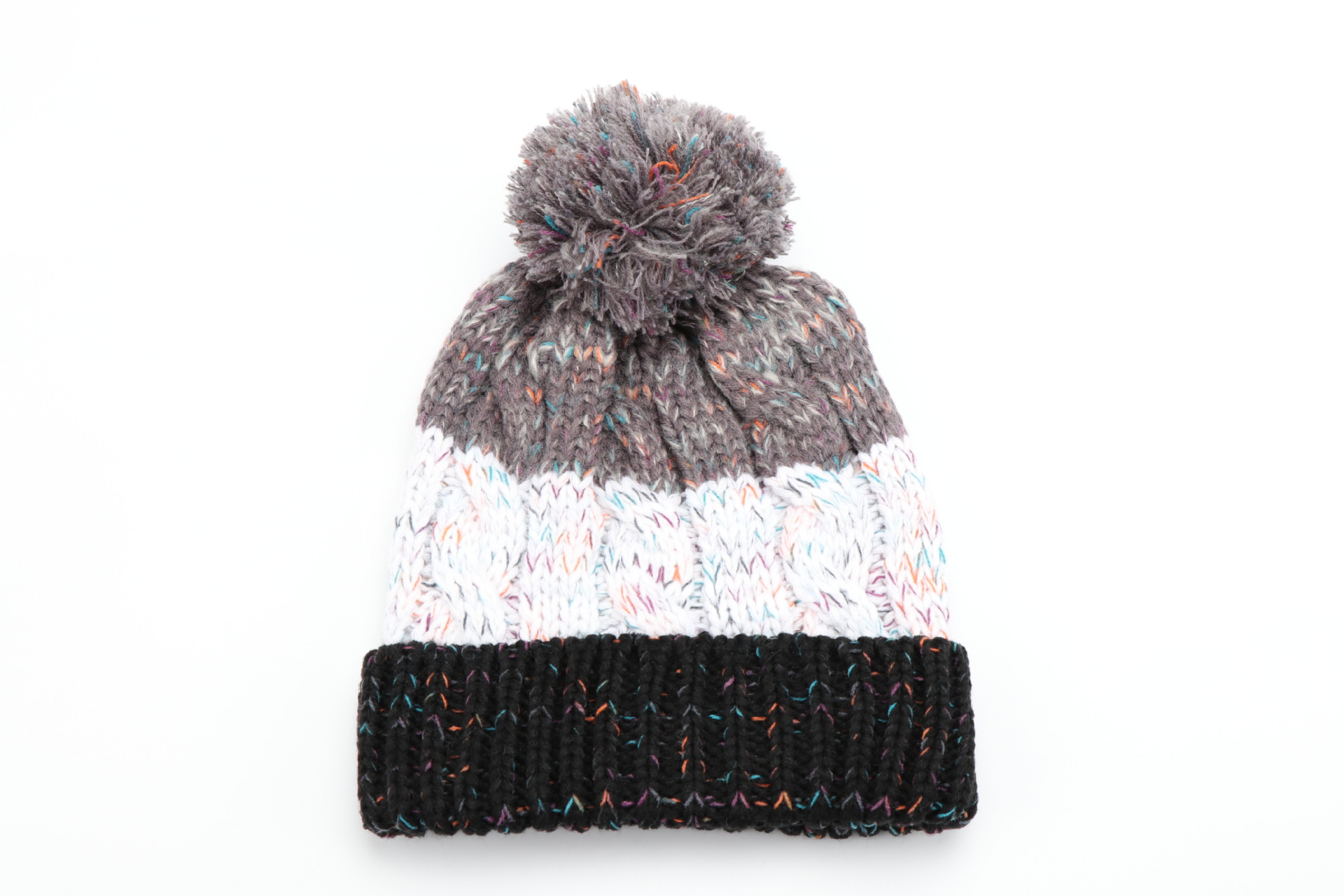
A knitted hat serves as both a functional accessory and a stylish statement piece during colder months. Whether you own a simple wool beanie or an intricate cable-knit design, proper care ensures your knitted hat maintains its shape, texture, and appearance for years to come. Understanding the unique properties of knitted fabrics and implementing appropriate maintenance routines can significantly extend the lifespan of these cherished winter accessories. The investment you make in quality headwear deserves equally thoughtful care practices that preserve both form and function.
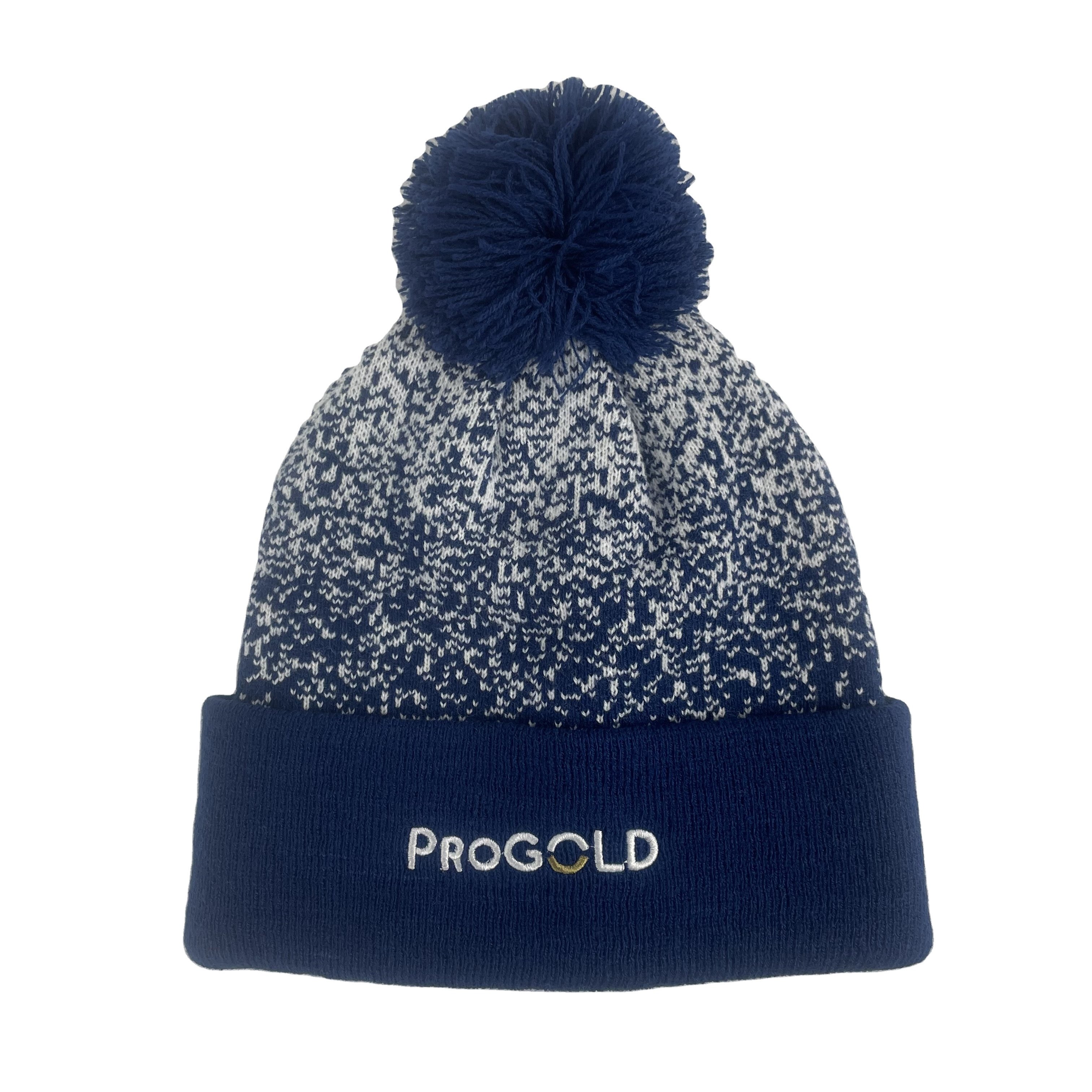
The delicate nature of knitted textiles requires special attention to cleaning methods, storage techniques, and handling procedures. Unlike woven fabrics, knitted materials possess inherent stretch and elasticity that can be compromised through improper care. Temperature fluctuations, aggressive washing cycles, and inappropriate drying methods represent the primary threats to your knitted hat's structural integrity. Professional textile care specialists consistently emphasize the importance of gentle handling and controlled environmental conditions when maintaining knitted accessories.
Understanding Knitted Hat Materials and Their Care Requirements
Natural Fiber Characteristics
Wool remains the most popular material for knitted hat construction due to its exceptional insulation properties and natural moisture-wicking capabilities. Merino wool, in particular, offers superior softness and breathability while maintaining excellent shape retention when properly cared for. The protein-based structure of wool fibers requires specific pH levels during cleaning to prevent damage or felting. Cashmere and alpaca represent premium natural options that demand even more delicate handling due to their fine fiber diameter and luxurious texture.
Cotton knitted hats provide excellent breathability and hypoallergenic properties, making them ideal for individuals with sensitive skin or wool allergies. The cellulose structure of cotton fibers allows for more aggressive cleaning methods compared to protein-based materials, though excessive heat can still cause shrinkage and color fading. Bamboo fiber blends offer similar benefits to cotton while providing additional antimicrobial properties and enhanced moisture management capabilities.
Synthetic Fiber Considerations
Acrylic and polyester knitted hats offer durability and easy maintenance characteristics that appeal to many consumers. These synthetic materials resist shrinkage, fading, and moth damage while maintaining their shape through multiple wash cycles. However, synthetic fibers tend to accumulate static electricity and may pill more readily than natural alternatives. Understanding the specific synthetic blend composition helps determine the most appropriate care approach for your knitted hat.
Blended materials combine the benefits of natural and synthetic fibers while presenting unique care challenges. A wool-acrylic blend knitted hat requires treatment appropriate for the most delicate component in the mixture. Performance fibers like merino wool blends with synthetic materials offer enhanced durability while maintaining natural comfort properties. Reading care labels carefully ensures you apply the correct maintenance procedures for your specific knitted hat composition.
Proper Washing Techniques for Knitted Hats
Hand Washing Methods
Hand washing represents the safest cleaning method for most knitted hat types, providing maximum control over water temperature, agitation, and handling. Fill a clean basin with lukewarm water and add a small amount of gentle wool detergent or specialized knit care product. Submerge your knitted hat completely and allow it to soak for 10-15 minutes without agitation. This soaking period allows the cleaning solution to penetrate the fibers and dissolve accumulated oils and dirt particles.
Gentle pressing motions work more effectively than rubbing or wringing when cleaning a knitted hat by hand. Support the fabric structure by pressing the soapy water through the knitted material using your palms. Avoid stretching or pulling the hat during the cleaning process, as wet knitted fibers are particularly vulnerable to deformation. Multiple rinses with clean, cool water ensure complete removal of detergent residues that could attract dirt or cause skin irritation.
Machine Washing Guidelines
Modern washing machines offer delicate cycles specifically designed for knitted garments, though hand washing remains the preferred method for valuable pieces. When machine washing becomes necessary, place your knitted hat inside a mesh laundry bag to prevent snagging and excessive agitation. Select the gentlest cycle available with cold water settings to minimize fiber stress and color bleeding. Use only a small amount of mild detergent to prevent excessive suds that can be difficult to rinse completely from knitted textures.
Never use fabric softeners or bleaching agents on knitted hats, as these chemicals can break down fiber structures and alter texture characteristics. The mechanical action of washing machines, even on gentle cycles, subjects knitted materials to more stress than hand washing methods. Consider machine washing only for synthetic or cotton knitted hats that specifically indicate machine washability on their care labels.
Drying and Shaping Techniques
Proper Drying Methods
Correct drying procedures prove crucial for maintaining the shape and texture of your knitted hat throughout its lifespan. Never wring or twist a wet knitted hat, as this action can permanently distort the fabric structure and create unwanted creases or stretched areas. Instead, gently press the hat between clean, absorbent towels to remove excess moisture without applying direct pressure to the knitted surface. This initial moisture removal reduces drying time while protecting the delicate fiber structure.
Lay the damp knitted hat flat on a clean, dry towel away from direct sunlight or heat sources. Natural air circulation provides the most gentle drying environment, though this process may require 24-48 hours depending on humidity levels and hat thickness. Reshape the hat gently while damp, as knitted fibers are most pliable when containing residual moisture. Avoid hanging knitted hats during the drying process, as gravity can stretch the material and create permanent deformation.
Shape Restoration Techniques
Blocking represents a professional technique for restoring and maintaining the proper shape of knitted accessories. Create a template by tracing your knitted hat onto cardboard or using a properly sized bowl as a form. Pin the damp hat to the template using rust-proof pins, ensuring even tension across all areas. This controlled shaping process allows the knitted fibers to set in their intended configuration as they dry completely.
Steam blocking offers an alternative method for reshaping knitted hats without full immersion washing. Hold a steam iron several inches above the hat surface and allow the steam to penetrate the fibers before gently reshaping by hand. This technique proves particularly effective for removing minor wrinkles or restoring elasticity to compressed areas. Always test steam temperature on an inconspicuous area first to prevent heat damage to sensitive fibers.
Storage Solutions for Long-Term Care
Seasonal Storage Practices
Proper storage during off-seasons protects your knitted hat from environmental damage, pest infestation, and physical deformation. Clean the hat thoroughly before storage to remove any residual oils, dirt, or odors that might attract insects or cause staining over time. Ensure the hat is completely dry before packing to prevent mold or mildew growth in enclosed storage containers. Cedar blocks or lavender sachets provide natural pest deterrents without introducing harsh chemical odors that could transfer to the knitted fibers.
Avoid compressing knitted hats during storage, as prolonged pressure can create permanent creases and flatten textured patterns. Store hats in breathable containers such as cotton bags or cardboard boxes rather than plastic bags that can trap moisture. Acid-free tissue paper helps maintain shape while providing cushioning against impacts or crushing forces. Label storage containers clearly to avoid unnecessary handling when searching for specific items during seasonal transitions.
Daily Storage Habits
Developing consistent daily storage habits prevents many common problems that affect knitted hat longevity. Always allow your knitted hat to air dry completely before storing, even if it only feels slightly damp from wear. Residual moisture from perspiration or environmental humidity can lead to bacterial growth and unpleasant odors if trapped in storage. Dedicated hat storage solutions such as hat stands or specially designed organizers maintain proper shape while allowing air circulation.
Rotate between multiple knitted hats when possible to reduce wear patterns and extend the lifespan of each piece. This practice allows individual hats to rest and recover their natural shape between wearing sessions. Keep knitted hats away from sharp objects, rough surfaces, or areas where they might snag on jewelry or clothing details. Simple preventive measures during daily handling contribute significantly to long-term preservation results.
Troubleshooting Common Issues
Pilling Prevention and Removal
Pilling occurs when short fibers work their way to the surface of knitted materials and form small balls or fuzzy areas. Natural friction from wearing, washing, or contact with other fabrics contributes to this common issue. Prevention strategies include gentle handling, minimal friction contact, and using fabric shavers or specialized combs designed for knitted textiles. Regular maintenance with these tools prevents pills from becoming firmly attached to the base fabric structure.
When removing pills from a knitted hat, work carefully to avoid damaging the underlying fabric structure. Electric fabric shavers provide efficient pill removal while maintaining precise control over cutting depth. Manual methods using fine-tooth combs or specialized de-pilling stones offer more conservative approaches for delicate materials. Always work in the same direction as the knitted grain to minimize stress on individual fibers during the pill removal process.
Odor Management Strategies
Persistent odors in knitted hats often result from bacterial growth in trapped moisture or absorbed environmental contaminants. Baking soda provides an effective, natural deodorizing solution that absorbs odors without introducing harsh chemicals. Sprinkle a light coating of baking soda inside the hat and allow it to sit overnight before brushing or shaking out the powder thoroughly. This treatment neutralizes acidic odors while being gentle enough for regular use on most knitted materials.
Activated charcoal sachets placed near stored knitted hats absorb ambient odors and excess moisture from the surrounding environment. Essential oil treatments using lavender or tea tree oil provide antimicrobial benefits while imparting pleasant, natural scents. Always dilute essential oils properly and test on inconspicuous areas before applying to entire hat surfaces. Professional cleaning may be necessary for persistent odors that resist home treatment methods.
FAQ
How often should I wash my knitted hat
The washing frequency for knitted hats depends on usage patterns, material composition, and environmental exposure. Generally, washing every 4-6 weeks during regular wear provides adequate cleanliness without excessive handling stress. Spot cleaning between full washes addresses minor soiling while extending the time between complete cleaning cycles. Natural fiber hats may require less frequent washing due to their inherent antimicrobial properties, while synthetic materials might need more regular attention to prevent odor buildup.
Can I use regular laundry detergent on my knitted hat
Specialized wool or knit detergents formulated for delicate fibers provide superior results compared to regular laundry detergents. These products maintain proper pH levels and contain gentler surfactants that clean effectively without damaging protein-based fibers. If specialized detergents are unavailable, use a small amount of mild, fragrance-free baby shampoo as a substitute. Avoid detergents containing enzymes, brighteners, or fabric softeners that can alter knitted hat texture and appearance permanently.
What should I do if my knitted hat shrinks
Mild shrinkage in knitted hats can often be reversed through careful stretching while the material is damp. Soak the shrunken hat in lukewarm water with a small amount of hair conditioner, which helps relax the fibers. Gently stretch the hat back to its original dimensions while supporting all areas evenly. Block the hat on a appropriately sized form and allow it to dry completely in the stretched position. Severe shrinkage may be permanent, particularly in felted wool materials.
How do I prevent my knitted hat from losing its shape
Shape retention in knitted hats relies on proper handling, appropriate storage, and gentle cleaning methods. Always support the entire hat when handling wet or damp materials, as individual sections are more vulnerable to stretching when moisture reduces fiber strength. Store hats on forms or stuff them lightly with acid-free tissue paper to maintain their three-dimensional structure. Avoid hanging storage methods that allow gravity to distort the natural shape over time.