 EN
EN

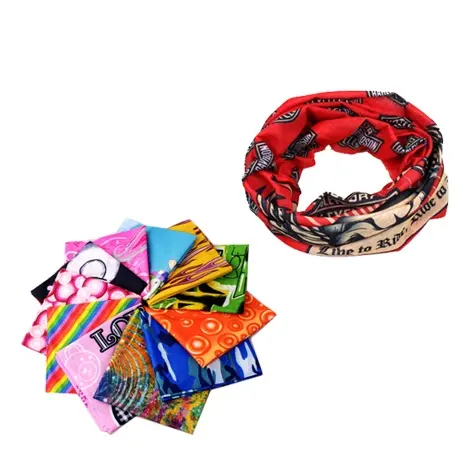
Finding the right supplier for custom bandana orders requires careful evaluation of multiple factors that directly impact product quality, delivery reliability, and overall business success. When sourcing bandanas for promotional campaigns, retail distribution, or corporate branding initiatives, selecting a dependable partner becomes crucial for maintaining consistent supply chains and meeting customer expectations. The bandana market has evolved significantly, with manufacturers offering diverse customization options, materials, and production capabilities that cater to various industry needs.
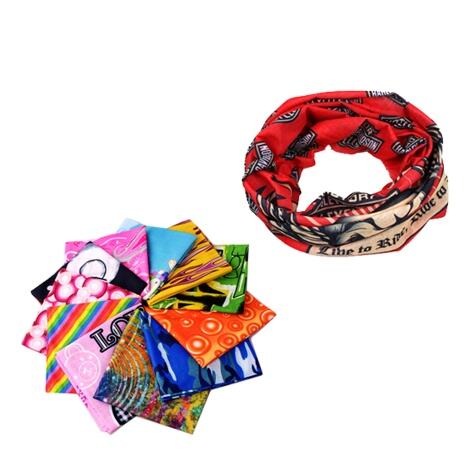
The textile industry encompasses numerous suppliers specializing in headwear accessories, making supplier selection a strategic decision that affects long-term business relationships. Custom bandana production involves intricate processes including fabric selection, printing techniques, quality control measures, and logistics coordination. Understanding these operational aspects helps businesses establish partnerships with suppliers who demonstrate consistent performance and reliable service delivery capabilities.
Manufacturing Capabilities and Production Standards
Production Capacity Assessment
Evaluating a supplier's manufacturing capacity determines their ability to handle varying order volumes and delivery timelines effectively. Professional bandana manufacturers typically maintain production facilities equipped with modern textile machinery, skilled workforce, and quality management systems that ensure consistent output. Production capacity encompasses daily manufacturing volumes, seasonal flexibility, and scalability options that accommodate business growth requirements.
Established suppliers often provide detailed production schedules, capacity utilization reports, and lead time estimates that help businesses plan inventory requirements and marketing campaigns. The bandana manufacturing process involves multiple stages including fabric preparation, design application, cutting, sewing, and finishing operations that require coordinated workflow management and quality oversight.
Quality Control Systems
Comprehensive quality control protocols ensure that custom bandana orders meet specified requirements and industry standards consistently. Reliable suppliers implement systematic quality management procedures including incoming material inspection, in-process monitoring, and final product verification before shipment. These quality systems typically incorporate standardized testing methods for fabric durability, colorfastness, print adhesion, and dimensional accuracy.
Quality documentation includes inspection reports, test certificates, and compliance statements that provide transparency regarding product specifications and manufacturing processes. Advanced suppliers often maintain certifications from recognized quality organizations, demonstrating their commitment to maintaining consistent production standards and continuous improvement initiatives.
Customization Options and Design Capabilities
Design Flexibility and Technical Expertise
Custom bandana production requires suppliers with versatile design capabilities and technical expertise to execute complex artwork, logos, and branding elements effectively. Professional suppliers typically offer comprehensive design services including artwork consultation, color matching, prototype development, and design optimization for various printing techniques. These capabilities enable businesses to achieve specific visual requirements while maintaining cost-effectiveness and production efficiency.
Design flexibility encompasses support for multiple file formats, color systems, and artwork specifications that accommodate diverse client requirements. Experienced suppliers maintain design teams with specialized knowledge of textile printing limitations, color reproduction challenges, and finishing options that enhance bandana appearance and durability.
Material Selection and Fabric Options
Material selection significantly impacts bandana performance, comfort, and aesthetic appeal, making supplier expertise in fabric sourcing and selection crucial for project success. Reputable suppliers typically offer comprehensive material portfolios including cotton, polyester, silk, microfiber, and specialty blends that cater to different applications and budget requirements. Each fabric type provides unique characteristics regarding moisture management, breathability, durability, and print compatibility.
Professional bandana suppliers maintain relationships with textile mills and fabric distributors that ensure consistent material availability and competitive pricing. Material expertise includes understanding fabric behavior during printing processes, shrinkage rates, care instructions, and end-use performance characteristics that affect customer satisfaction and product longevity.
Supply Chain Management and Logistics
Delivery Reliability and Lead Times
Reliable delivery performance directly affects inventory management, marketing campaign timing, and customer satisfaction levels, making supplier logistics capabilities a critical evaluation criterion. Professional bandana suppliers typically maintain streamlined production planning systems that provide accurate lead time estimates and delivery commitments based on order complexity, quantities, and seasonal demand patterns.
Effective suppliers implement inventory management systems that track raw materials, work-in-progress, and finished goods to ensure optimal production flow and on-time delivery performance. These systems often include real-time order tracking, shipment notifications, and proactive communication regarding potential delays or production issues that might affect delivery schedules.
International Shipping and Documentation
Global sourcing of custom bandana orders requires suppliers with expertise in international shipping regulations, customs documentation, and trade compliance requirements. Experienced suppliers typically maintain relationships with freight forwarders, customs brokers, and logistics providers that facilitate smooth international transactions and minimize shipping delays or complications.
Proper documentation includes commercial invoices, packing lists, certificates of origin, and compliance statements that ensure smooth customs clearance and regulatory compliance. Professional suppliers often provide comprehensive shipping services including packaging optimization, insurance options, and tracking systems that enhance shipment security and delivery visibility.
Pricing Structure and Cost Considerations
Transparent Pricing Models
Understanding supplier pricing structures helps businesses evaluate total project costs and make informed sourcing decisions that align with budget constraints and profitability objectives. Reliable bandana suppliers typically provide detailed pricing breakdowns that include material costs, production charges, customization fees, and shipping expenses to ensure transparency and avoid unexpected cost additions.
Comprehensive pricing models account for various factors including order quantities, complexity levels, delivery timelines, and customization requirements that affect production costs. Professional suppliers often offer volume discounts, repeat customer incentives, and flexible payment terms that support long-term business relationships and cost optimization opportunities.
Value-Added Services
Value-added services enhance supplier relationships and provide additional benefits beyond basic bandana manufacturing capabilities. These services typically include design consultation, sample development, packaging customization, labeling options, and drop-shipping arrangements that streamline business operations and reduce administrative overhead.
Professional suppliers often provide market insights, trend analysis, and product development support that help businesses identify opportunities and optimize their bandana product offerings. These advisory services demonstrate supplier commitment to customer success and long-term partnership development beyond transactional relationships.
Communication and Customer Service
Responsiveness and Technical Support
Effective communication ensures smooth project execution, timely problem resolution, and satisfactory outcomes for custom bandana orders. Reliable suppliers typically maintain dedicated customer service teams with technical expertise to address design questions, production inquiries, and logistics coordination requirements promptly and accurately.
Professional communication includes regular project updates, proactive issue notification, and comprehensive technical support that helps businesses navigate complex customization requirements and production challenges. Experienced suppliers often provide multiple communication channels including phone support, email correspondence, and online project management systems that facilitate efficient information exchange and collaboration.
Long-Term Partnership Potential
Building long-term relationships with bandana suppliers provides stability, cost advantages, and improved service quality that benefits ongoing business operations. Suppliers interested in partnership development typically demonstrate flexibility, continuous improvement initiatives, and willingness to invest in customer-specific capabilities that enhance mutual success.
Partnership indicators include supplier investment in understanding customer requirements, proactive suggestions for product improvements, and collaborative approaches to solving business challenges. These relationships often evolve to include exclusive arrangements, co-development projects, and strategic planning coordination that create competitive advantages and operational efficiencies.
FAQ
How do minimum order quantities affect bandana supplier selection
Minimum order quantities vary significantly among bandana suppliers and directly impact project feasibility and cost effectiveness. Small businesses often require suppliers with flexible minimum order policies, while large corporations typically benefit from volume pricing available through higher quantity commitments. Professional suppliers usually offer tiered pricing structures that accommodate different business sizes and ordering patterns while maintaining production efficiency.
What certifications should reliable bandana suppliers maintain
Reputable bandana suppliers typically maintain certifications for quality management systems, environmental compliance, and social responsibility standards. Common certifications include ISO 9001 for quality management, OEKO-TEX for textile safety, and various industry-specific standards that demonstrate commitment to professional manufacturing practices and regulatory compliance.
How important is geographic location when selecting bandana suppliers
Geographic location affects shipping costs, delivery times, communication convenience, and potential for facility visits or quality audits. Domestic suppliers often provide faster delivery and easier communication, while international suppliers may offer cost advantages and specialized capabilities. The optimal choice depends on specific business requirements including budget constraints, timeline flexibility, and quality expectations.
What role does sample development play in supplier evaluation
Sample development provides crucial insights into supplier capabilities, quality standards, and attention to detail before committing to full production runs. Professional bandana suppliers typically offer comprehensive sampling services including material options, printing techniques, and finishing alternatives that help businesses make informed decisions and optimize product specifications for their target markets.