 EN
EN

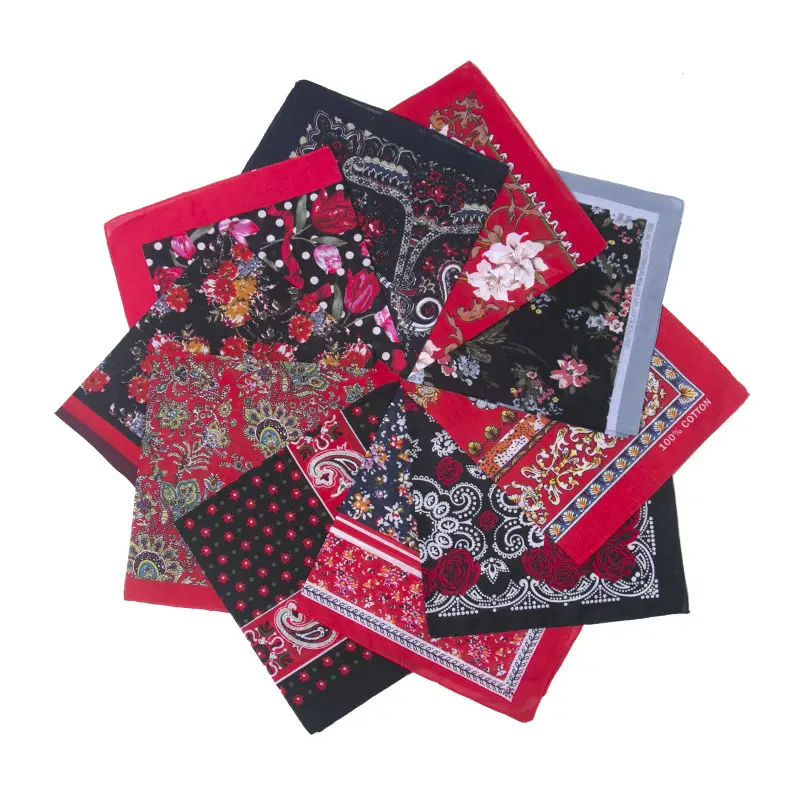
Colorfastness remains one of the most critical quality factors when manufacturing bandana products at scale. Professional manufacturers understand that customers expect their bandana purchases to maintain vibrant colors through countless washes, outdoor activities, and extended use. The textile industry has developed sophisticated testing methods and production techniques to ensure that every bandana meets stringent colorfastness standards, particularly when dealing with bulk printing operations where consistency across thousands of units becomes paramount.
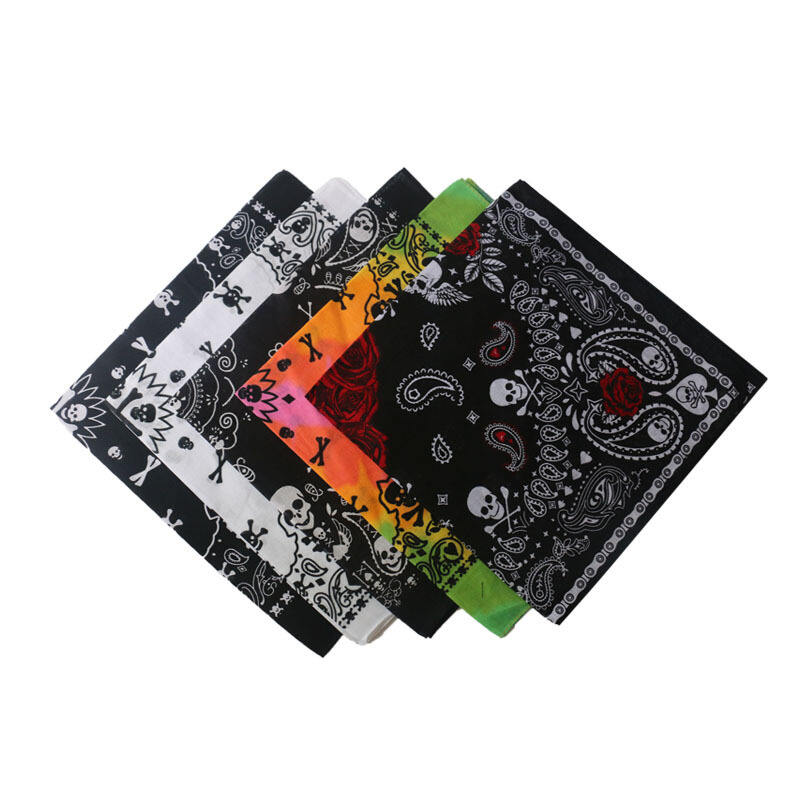
Understanding Colorfastness Standards in Bandana Manufacturing
International Testing Protocols
Manufacturing facilities utilize internationally recognized testing standards such as AATCC and ISO protocols to evaluate bandana colorfastness performance. These comprehensive tests simulate various environmental conditions including washing cycles, light exposure, perspiration, and rubbing friction. Each bandana sample undergoes rigorous evaluation using standardized equipment that measures color retention under controlled laboratory conditions. The results provide manufacturers with quantifiable data to adjust their production processes and material selections accordingly.
Professional testing laboratories employ spectrophotometers and color matching systems to detect even minute color variations that might occur during the manufacturing process. These instruments can identify color shifts as small as 0.5 Delta E units, ensuring that every bandana meets precise color specifications. The testing phase typically occurs at multiple stages throughout production, from raw material inspection through final quality control verification.
Fabric Selection Criteria
The foundation of superior colorfastness begins with careful fabric selection, as different textile compositions respond differently to dyeing processes. Cotton bandana products require specific treatment protocols compared to synthetic blends or polyester materials. Manufacturers evaluate fabric density, weave structure, and fiber quality to determine the optimal dyeing approach for each bandana style. High-quality base materials provide better dye penetration and retention, resulting in superior long-term color performance.
Fiber preparation plays an equally important role in achieving consistent colorfastness across bulk bandana orders. Pre-treatment processes remove natural oils, waxes, and other substances that could interfere with dye absorption. This preparation phase ensures uniform color distribution and prevents patchy or uneven coloration that might compromise the final bandana appearance. Professional manufacturers maintain strict quality control during this preparatory stage to guarantee consistent results.
Advanced Dyeing Technologies for Bulk Production
Digital Printing Innovations
Modern bandana manufacturers increasingly rely on advanced digital printing technologies that offer superior color control and consistency compared to traditional screen printing methods. These systems utilize precision ink delivery mechanisms that ensure uniform dye distribution across each bandana surface. The digital approach allows manufacturers to maintain consistent color profiles across thousands of units while reducing waste and improving production efficiency.
Sublimation printing represents another breakthrough technology particularly effective for polyester bandana production. This process converts solid dye particles directly into gas, which then penetrates deeply into synthetic fibers. The result is exceptional colorfastness that withstands repeated washing and UV exposure. Many manufacturers have adopted hybrid approaches that combine digital precision with traditional dyeing methods to optimize results for different bandana styles and materials.
Chemical Treatment Processes
Post-dyeing chemical treatments play a crucial role in locking colors into bandana fibers permanently. Fixation agents create chemical bonds between dye molecules and textile fibers, preventing color migration during washing or wear. Professional manufacturers carefully calibrate these treatment processes based on fabric type, dye chemistry, and intended bandana applications. The timing, temperature, and concentration of fixation treatments directly impact final colorfastness performance.
Washing and rinsing protocols following chemical treatment remove excess dyes and chemicals while allowing proper fixation to occur. This phase requires precise control of water temperature, pH levels, and processing time to achieve optimal results. Manufacturers typically employ multi-stage washing systems that gradually reduce chemical concentrations while monitoring color stability throughout the process. Each bandana batch undergoes systematic testing to verify that colorfastness standards have been achieved.
Quality Control Systems and Testing Procedures
In-Process Monitoring
Successful bandana manufacturers implement comprehensive quality control systems that monitor colorfastness at every production stage. Automated color measurement systems provide real-time feedback during dyeing operations, allowing immediate adjustments when color variations are detected. This proactive approach prevents defective products from advancing through the manufacturing process and ensures consistent quality across entire production runs.
Sample testing occurs at predetermined intervals throughout bulk bandana production cycles. Quality control technicians extract representative samples from each production batch and subject them to accelerated aging tests that simulate months of normal use within hours. These rapid tests provide early warning of potential colorfastness issues and allow manufacturers to make necessary adjustments before completing large orders.
Final Inspection Protocols
Comprehensive final inspection procedures verify that every bandana meets established colorfastness standards before packaging and shipment. Visual inspections identify any obvious color irregularities or printing defects that might affect product performance. Automated sorting systems can detect subtle color variations that human inspectors might miss, ensuring consistent quality across large production volumes.
Statistical sampling methods determine the appropriate testing frequency based on production volume and historical quality data. Manufacturers typically test a predetermined percentage of finished bandana products using standardized colorfastness protocols. Documentation systems track testing results and maintain quality records that demonstrate compliance with customer specifications and industry standards.
Material Science and Dye Chemistry
Molecular Bonding Mechanisms
Understanding the molecular interactions between dyes and textile fibers enables manufacturers to optimize bandana colorfastness through scientific approaches. Different dye classes create distinct types of chemical bonds with fabric materials, each offering specific advantages for various applications. Reactive dyes form covalent bonds with cellulose fibers in cotton bandana products, creating exceptionally strong color attachments that resist fading and washing.
Disperse dyes work particularly well with synthetic bandana materials, penetrating deeply into polyester fibers through heat and pressure applications. The molecular size and structure of these dyes allow them to nestle between polymer chains within synthetic fibers, creating mechanical bonds that provide excellent wash fastness. Manufacturers select appropriate dye chemistries based on fabric composition and intended bandana performance requirements.
Environmental Stability Factors
Environmental conditions during bandana production significantly influence final colorfastness performance. Temperature, humidity, and air quality all affect dye absorption and fixation processes. Professional manufacturing facilities maintain controlled environments that optimize these conditions for consistent results. Climate control systems regulate temperature and humidity within narrow ranges that promote optimal dye-fiber interactions.
Light exposure during production and storage can also impact bandana color stability. Manufacturers utilize UV-filtered lighting systems and implement strict storage protocols that protect finished products from premature fading. These precautions ensure that bandana colors remain vibrant from production through customer delivery and beyond.
Industrial Equipment and Process Control
Precision Dyeing Machinery
Modern bandana manufacturing facilities employ sophisticated dyeing equipment that provides precise control over all process variables. Computer-controlled systems monitor and adjust temperature, pressure, chemical concentrations, and processing times automatically. These automated systems eliminate human error and ensure consistent results across multiple production shifts and different operator teams.
Continuous dyeing systems offer particular advantages for large-volume bandana production, allowing uninterrupted processing of textile materials. These systems maintain consistent dye application rates and treatment conditions throughout extended production runs. Advanced sensors monitor fabric tension, speed, and chemical application rates to maintain optimal processing conditions that maximize colorfastness performance.
Monitoring and Documentation Systems
Comprehensive data collection systems track every aspect of bandana production processes, creating detailed records that enable continuous improvement and troubleshooting. Digital monitoring systems capture thousands of data points throughout each production cycle, including temperature profiles, chemical concentrations, and processing times. This information helps manufacturers identify optimal processing conditions and detect potential issues before they affect product quality.
Traceability systems link production data with specific bandana batches, enabling manufacturers to track quality performance and investigate any customer concerns. These systems maintain permanent records that document compliance with quality standards and provide valuable insights for process optimization efforts.
FAQ
What factors most significantly impact bandana colorfastness during manufacturing
The most critical factors affecting bandana colorfastness include fabric preparation quality, dye selection and application methods, fixation treatment processes, and post-treatment washing procedures. Proper fiber preparation ensures uniform dye absorption, while appropriate chemical treatments create strong bonds between dyes and textile fibers. Temperature control, pH management, and processing time optimization also play essential roles in achieving superior colorfastness performance across bulk production volumes.
How do manufacturers test bandana colorfastness before shipping products
Professional bandana manufacturers utilize standardized testing protocols including wash fastness tests, light fastness evaluations, and rubbing resistance assessments. These tests simulate various use conditions and measure color retention using calibrated equipment. Accelerated aging tests compress months of normal wear into hours of laboratory testing, providing rapid feedback on long-term color stability. Statistical sampling methods ensure representative testing across entire production batches while maintaining efficiency.
What makes digital printing superior for bandana colorfastness compared to traditional methods
Digital printing technologies offer precise ink delivery control and consistent color application that traditional screen printing methods cannot match. These systems eliminate human variables and maintain exact color specifications throughout production runs. Digital processes also enable better ink penetration into bandana fibers and allow for immediate color adjustments when variations are detected. The reduced handling and processing steps in digital workflows minimize opportunities for color degradation.
How long should customers expect bandana colors to remain vibrant with proper manufacturing
Well-manufactured bandana products using proper colorfastness techniques should maintain vibrant colors through hundreds of washing cycles and years of regular use. Professional manufacturers typically guarantee color retention for specific periods under normal use conditions. Factors such as washing temperature, detergent selection, and sun exposure affect longevity, but quality manufacturing processes ensure colors remain acceptable for extended periods under typical consumer use patterns.
Table of Contents
- Understanding Colorfastness Standards in Bandana Manufacturing
- Advanced Dyeing Technologies for Bulk Production
- Quality Control Systems and Testing Procedures
- Material Science and Dye Chemistry
- Industrial Equipment and Process Control
-
FAQ
- What factors most significantly impact bandana colorfastness during manufacturing
- How do manufacturers test bandana colorfastness before shipping products
- What makes digital printing superior for bandana colorfastness compared to traditional methods
- How long should customers expect bandana colors to remain vibrant with proper manufacturing