 EN
EN

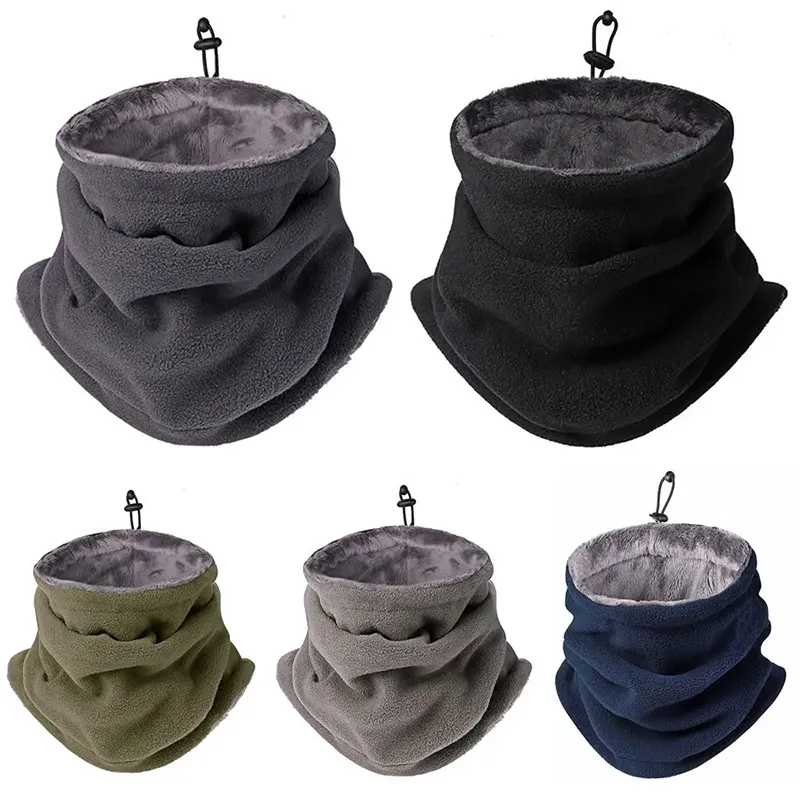
Outdoor enthusiasts and professionals working in harsh environments rely heavily on effective thermal protection gear, with the neck warmer serving as a crucial component in maintaining body heat and comfort. Manufacturing facilities specializing in outdoor accessories must carefully evaluate fabric composition, weave patterns, and performance characteristics to deliver products that meet the demanding requirements of cold weather activities. The selection process involves balancing thermal efficiency, moisture management, durability, and cost considerations while ensuring the final neck warmer products provide reliable protection across diverse outdoor conditions.
Understanding Fabric Performance Requirements for Cold Weather Applications
Thermal Insulation Properties and Heat Retention Mechanisms
Effective thermal insulation represents the primary function of any neck warmer, requiring manufacturers to understand how different fabric structures trap air and create thermal barriers. Natural fibers like merino wool offer exceptional insulation through their crimped fiber structure, which creates numerous air pockets that resist heat transfer. Synthetic alternatives such as polyester fleece achieve similar results through engineered pile structures that mimic natural insulation properties while providing additional benefits like quick-drying capabilities and reduced weight.
The thickness and density of fabric materials directly influence thermal performance, with manufacturers needing to balance warmth provision against bulk and breathability concerns. Heavier fabrics generally provide superior insulation but may compromise mobility and comfort during active outdoor pursuits. Advanced textile technologies now enable the production of lightweight yet thermally efficient materials through microfiber construction and specialized weaving techniques that maximize air entrapment while minimizing overall weight.
Moisture Management and Breathability Considerations
Moisture control capabilities prove essential for maintaining comfort and preventing thermal loss during outdoor activities, as accumulated perspiration can significantly reduce insulation effectiveness and create uncomfortable wearing conditions. Synthetic fabrics typically excel in moisture-wicking applications, drawing perspiration away from the skin surface through capillary action and facilitating rapid evaporation. This characteristic makes synthetic neck warmer options particularly suitable for high-activity outdoor sports where perspiration management becomes critical for maintaining comfort and performance.
Natural fiber options like merino wool demonstrate unique moisture-handling properties, retaining warmth even when damp while naturally resisting odor accumulation through antimicrobial characteristics. However, natural fibers generally dry more slowly than synthetic alternatives, creating considerations for multi-day outdoor activities or situations where quick-drying performance becomes essential. Manufacturers increasingly explore blend fabrics that combine natural and synthetic fibers to optimize both thermal performance and moisture management capabilities.
Material Selection Strategies for Different Outdoor Environments
Arctic and Extreme Cold Weather Applications
Extreme cold weather conditions demand neck warmer fabrics that prioritize maximum thermal retention while maintaining durability under harsh environmental stresses. Dense wool blends or high-loft synthetic insulation materials provide the thermal performance necessary for arctic expeditions, mountaineering, and other extreme cold weather activities. These applications require fabrics that maintain insulation properties even when exposed to wind, precipitation, and temperature fluctuations that can compromise lesser materials.
Wind resistance becomes particularly important in extreme cold applications, as convective heat loss can rapidly reduce core body temperature and create dangerous exposure conditions. Tightly woven outer layers or laminated fabric constructions help block wind penetration while maintaining breathability for moisture management. Some manufacturers incorporate windproof membranes between fabric layers to enhance weather protection without significantly increasing bulk or weight.
Active Sports and High-Output Activities
Athletic applications require neck warmer materials that balance thermal protection with enhanced breathability and moisture-wicking capabilities to prevent overheating during intense physical activity. Synthetic fabrics dominate this market segment due to their superior moisture management properties and quick-drying characteristics that maintain comfort during variable activity levels. Polyester blends with specialized treatments or construction techniques optimize the balance between warmth provision and thermal regulation.
Stretch properties become increasingly important for active applications, allowing the neck warmer to maintain position and comfort during dynamic movements associated with skiing, snowboarding, running, and other high-activity sports. Elastane or spandex content helps fabrics conform to body contours while maintaining shape retention through repeated stretching and washing cycles. This flexibility also enables versatile wearing configurations that adapt to changing weather conditions and activity requirements.
Advanced Fabric Technologies and Innovation Trends
Synthetic Fiber Developments and Performance Enhancements
Recent advances in synthetic fiber technology have produced materials that rival or exceed natural fiber performance in many outdoor applications while offering additional benefits like enhanced durability, colorfastness, and care simplicity. Microfiber polyester constructions create exceptionally soft textures that improve wearing comfort while maintaining excellent moisture-wicking and quick-drying properties. These materials often incorporate antimicrobial treatments that prevent odor development during extended wear periods.
Hollow fiber technologies increase thermal efficiency by trapping additional air within individual fibers, creating enhanced insulation without proportional increases in weight or bulk. This innovation allows manufacturers to produce lightweight neck warmer products that deliver thermal performance comparable to much heavier traditional materials. Advanced spinning and weaving techniques further optimize fiber orientation and density to maximize thermal efficiency and durability characteristics.
Sustainable and Eco-Friendly Material Options
Environmental consciousness increasingly influences fabric selection decisions as manufacturers and consumers seek sustainable alternatives that minimize ecological impact without compromising performance. Recycled polyester materials derived from post-consumer plastic bottles offer environmental benefits while maintaining excellent technical performance characteristics. These materials demonstrate comparable thermal efficiency, moisture management, and durability properties to virgin synthetic materials while reducing waste and resource consumption.
Organic cotton and responsibly sourced wool options provide natural fiber alternatives that appeal to environmentally conscious consumers while offering excellent comfort and thermal properties. However, these materials may require special care considerations and typically carry higher production costs compared to conventional alternatives. Some manufacturers develop hybrid approaches that incorporate small percentages of natural fibers into synthetic blends to enhance comfort while maintaining performance and cost advantages.
Quality Control and Testing Protocols for Outdoor Fabrics
Thermal Performance Testing and Validation Methods
Rigorous testing protocols ensure neck warmer fabrics meet specified thermal performance standards and provide consistent protection across varying environmental conditions. Thermal resistance testing measures fabric insulation capabilities under controlled laboratory conditions, providing quantitative data for comparing different material options and validating thermal efficiency claims. These tests typically evaluate heat transfer rates through fabric samples under standardized temperature gradients and air movement conditions.
Field testing protocols complement laboratory measurements by evaluating fabric performance under actual outdoor conditions with real users performing typical activities. This approach identifies potential issues that may not emerge during controlled testing, such as thermal bridging effects, moisture accumulation patterns, or comfort concerns that develop during extended wear periods. Comprehensive testing programs combine both approaches to ensure neck warmer products deliver reliable performance across diverse real-world applications.
Durability and Longevity Assessment Procedures
Durability testing evaluates fabric resistance to wear, washing, and environmental stresses that occur during normal outdoor use, ensuring neck warmer products maintain performance characteristics throughout their expected service life. Abrasion resistance testing simulates wear patterns that develop from contact with clothing, equipment, and environmental surfaces. These tests help predict product longevity and identify potential failure points that could compromise thermal performance or user safety.
Colorfastness testing ensures fabric dyes remain stable through washing cycles and ultraviolet exposure, maintaining visual appeal and preventing color bleeding that could affect other garments. Dimensional stability testing evaluates fabric shrinkage and distortion characteristics that could compromise fit and comfort after repeated washing and drying cycles. These quality control measures help manufacturers deliver consistent products that meet customer expectations for both performance and appearance retention.
Manufacturing Process Considerations and Optimization
Production Efficiency and Cost Management Strategies
Efficient manufacturing processes require careful coordination between fabric selection, cutting optimization, and assembly techniques to minimize waste while maintaining quality standards. Fabric utilization calculations help determine optimal cutting patterns that maximize yield from raw materials, reducing costs and environmental impact. Computer-aided design systems enable precise pattern placement and nesting algorithms that optimize material usage across different neck warmer styles and sizes.
Batch production planning coordinates fabric procurement, cutting schedules, and assembly operations to maintain consistent workflow and minimize inventory carrying costs. Seasonal demand patterns influence production timing and capacity planning, with manufacturers often building inventory during low-demand periods to ensure adequate supply during peak seasons. Quality control checkpoints throughout the production process help identify and correct issues before they affect finished products, reducing waste and ensuring consistent output quality.
Customization and Branding Opportunities
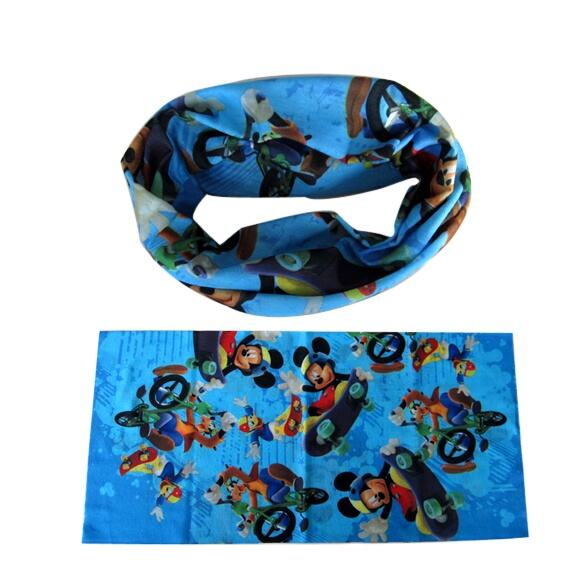
Custom fabric printing and embroidery capabilities enable manufacturers to offer personalized neck warmer products that meet specific customer requirements while maintaining thermal performance characteristics. Sublimation printing techniques allow full-color graphic reproduction on synthetic fabrics without compromising breathability or hand feel. Heat transfer applications provide durable branding options that withstand washing and outdoor exposure while maintaining visual appeal throughout the product lifecycle.
Fabric selection considerations for custom applications include substrate compatibility with various printing and decoration techniques, color reproduction capabilities, and durability requirements for branded elements. Some fabrics accept certain decoration methods better than others, influencing material choices for custom projects. Manufacturers must balance decoration requirements with thermal performance needs to ensure custom neck warmer products deliver both visual appeal and functional effectiveness.
FAQ
What fabric materials provide the best thermal insulation for neck warmer manufacturing
Merino wool and high-quality synthetic fleece materials generally provide the most effective thermal insulation for neck warmer applications. Merino wool offers natural temperature regulation properties and maintains warmth even when damp, while synthetic fleece provides excellent warmth-to-weight ratios and quick-drying capabilities. The choice between materials depends on specific use requirements, with wool being preferred for casual outdoor activities and synthetics excelling in high-activity sports applications.
How does moisture-wicking capability affect neck warmer fabric selection
Moisture-wicking properties significantly influence comfort and thermal performance, particularly during active outdoor pursuits where perspiration management becomes critical. Synthetic materials typically offer superior moisture-wicking capabilities compared to natural fibers, drawing perspiration away from skin surfaces and facilitating rapid evaporation. However, some natural fibers like merino wool provide unique moisture-handling characteristics that retain warmth even when damp, making them suitable for specific applications where quick-drying may be less critical than sustained thermal performance.
What testing methods ensure neck warmer fabrics meet outdoor performance standards
Comprehensive fabric testing protocols include thermal resistance measurements, moisture management assessments, durability evaluations, and field testing under actual outdoor conditions. Laboratory tests provide quantitative performance data under controlled conditions, while field testing validates real-world performance with actual users. Additional testing includes colorfastness evaluation, dimensional stability assessment, and abrasion resistance measurement to ensure products maintain both performance and appearance characteristics throughout their service life.
How do sustainable fabric options compare to traditional materials in outdoor applications
Sustainable fabric options like recycled polyester and organic natural fibers can deliver comparable performance to traditional materials while offering environmental benefits. Recycled synthetic materials maintain excellent moisture management and thermal properties while reducing environmental impact through waste reduction. Organic natural fibers provide superior comfort and natural performance characteristics but may require special care considerations and typically involve higher production costs compared to conventional alternatives.
Table of Contents
- Understanding Fabric Performance Requirements for Cold Weather Applications
- Material Selection Strategies for Different Outdoor Environments
- Advanced Fabric Technologies and Innovation Trends
- Quality Control and Testing Protocols for Outdoor Fabrics
- Manufacturing Process Considerations and Optimization
-
FAQ
- What fabric materials provide the best thermal insulation for neck warmer manufacturing
- How does moisture-wicking capability affect neck warmer fabric selection
- What testing methods ensure neck warmer fabrics meet outdoor performance standards
- How do sustainable fabric options compare to traditional materials in outdoor applications