 EN
EN
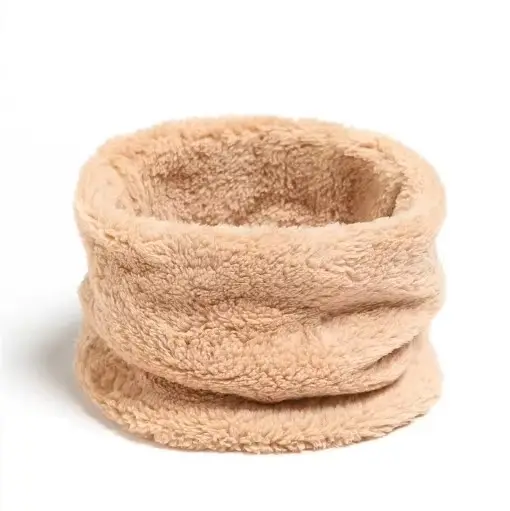
Selecting the right supplier for your neck warmer import business requires careful evaluation of multiple critical factors that directly impact product quality, profitability, and customer satisfaction. The global neck warmer market has experienced substantial growth as consumers increasingly prioritize both functionality and fashion in their cold-weather accessories. Understanding the key supplier evaluation criteria can make the difference between establishing a successful import operation and facing costly quality issues, delivery delays, or compliance problems that damage your brand reputation.
Manufacturing Capabilities and Production Capacity
Production Volume Assessment
A reliable neck warmer supplier must demonstrate the ability to meet your projected order volumes consistently without compromising quality standards. Evaluate their current production capacity by requesting detailed information about their manufacturing lines, equipment specifications, and daily output capabilities. Consider whether they can scale production during peak seasons when neck warmer demand typically increases. The supplier should provide transparent capacity reports and demonstrate flexibility to accommodate both small initial orders and larger volumes as your business grows.
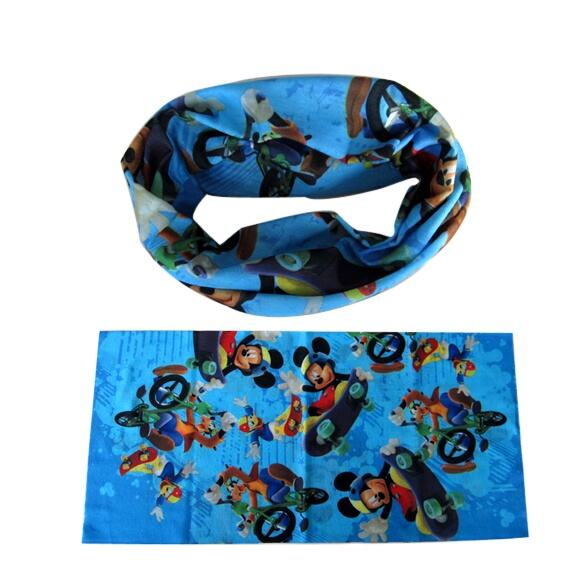
Manufacturing versatility becomes crucial when dealing with different neck warmer styles, materials, and customization requirements. A competent supplier should operate multiple production lines capable of handling various fabric types, from fleece and wool to synthetic materials. They should also demonstrate proficiency in different construction techniques, whether producing seamless tube-style neck warmers, traditional sewn models, or specialized designs with additional features like drawstrings or reflective elements.
Quality Control Systems
Comprehensive quality control systems represent the foundation of successful neck warmer manufacturing partnerships. The supplier should maintain documented quality assurance protocols that cover raw material inspection, in-process monitoring, and final product testing. Request detailed information about their quality control checkpoints, testing equipment, and defect rate statistics. A professional supplier will welcome factory audits and provide transparent access to their quality control processes, demonstrating confidence in their manufacturing standards.
Testing capabilities for neck warmer products should include thermal performance evaluation, fabric durability assessments, color fastness testing, and comfort evaluations. The supplier should conduct regular batch testing and maintain detailed records of all quality control activities. They should also have established procedures for handling quality issues, including corrective action protocols and prevention measures to avoid recurring problems.
Material Sourcing and Fabric Quality
Fabric Selection and Performance
The materials used in neck warmer construction directly influence product performance, durability, and customer satisfaction. Evaluate potential suppliers based on their fabric sourcing practices, material quality standards, and ability to provide consistent textile specifications. High-quality neck warmer suppliers maintain relationships with reputable fabric mills and can provide detailed information about fiber content, weight specifications, thermal properties, and care instructions for all materials used.
Consider the supplier's ability to source performance fabrics that meet specific functional requirements for neck warmer applications. This includes moisture-wicking properties for active wear applications, wind-resistant materials for outdoor use, and hypoallergenic options for sensitive skin customers. The supplier should provide fabric samples for testing and evaluation, along with technical specifications and performance data to support material claims.
Sustainable and Ethical Sourcing
Modern consumers increasingly value sustainability and ethical manufacturing practices when purchasing neck warmer products. Evaluate suppliers based on their environmental policies, sustainable material sourcing practices, and commitment to ethical labor standards. Request information about their use of recycled materials, organic fibers, or eco-friendly manufacturing processes that reduce environmental impact without compromising product quality.
Supplier transparency regarding supply chain practices becomes increasingly important for brand reputation and consumer trust. The supplier should provide clear documentation of their material sourcing practices, including supplier certifications, environmental compliance records, and labor practice policies. This information helps ensure your neck warmer products align with contemporary social responsibility expectations while meeting quality and performance standards.
Customization and Design Capabilities
Design Development Services
Successful neck warmer import businesses often require customization capabilities to differentiate their products in competitive markets. Evaluate potential suppliers based on their design development services, including pattern creation, prototype development, and technical design support. A capable supplier should offer comprehensive design assistance, from initial concept development through final production specifications, ensuring your neck warmer products meet market requirements and brand standards.
The supplier's design team should demonstrate expertise in neck warmer construction techniques, fabric behavior, and functional requirements for different use applications. They should provide detailed technical drawings, pattern specifications, and fit recommendations to ensure optimal product performance. Additionally, they should offer guidance on design elements that impact manufacturing costs, production timelines, and quality outcomes.
Branding and Customization Options
Brand differentiation through customization represents a key competitive advantage in the neck warmer market. Evaluate suppliers based on their customization capabilities, including logo application methods, color matching services, and packaging options. The supplier should offer various branding techniques such as embroidery, screen printing, sublimation printing, or woven labels, each with different cost implications and durability characteristics.
Customization flexibility extends beyond basic branding to include color variations, size options, and functional modifications. A competent neck warmer supplier should accommodate specific color requirements, provide multiple size options, and offer functional enhancements like antimicrobial treatments or UV protection features. They should also maintain consistent customization quality across different production batches.
Compliance and Certification Standards
International Safety Standards
Neck warmer products must comply with various international safety and quality standards depending on target markets and intended use applications. Evaluate suppliers based on their understanding of relevant regulations and their ability to provide compliant products with appropriate certifications. This includes textile safety standards, chemical content restrictions, and labeling requirements that vary by country and region.
The supplier should maintain current certifications relevant to neck warmer manufacturing and demonstrate ongoing compliance monitoring. Request documentation of their testing capabilities, certification maintenance procedures, and regulatory update processes. They should also provide guidance on market-specific requirements and help ensure your products meet all necessary compliance standards before shipment.
Documentation and Traceability
Comprehensive documentation and product traceability become essential for neck warmer import operations, particularly when dealing with regulatory compliance and quality assurance requirements. The supplier should maintain detailed records of all production activities, including material sourcing documentation, production batch records, and quality control test results. This documentation supports regulatory compliance and provides valuable information for addressing any quality issues that may arise.
Effective traceability systems enable quick identification and resolution of quality problems while supporting product recall procedures if necessary. The supplier should implement batch coding systems that allow tracking of neck warmer products from raw materials through final shipment. This capability demonstrates professional manufacturing practices and provides assurance for quality management and regulatory compliance.
Pricing Structure and Value Analysis
Cost Transparency and Pricing Models
Understanding the supplier's pricing structure and cost components helps ensure fair pricing and sustainable business relationships for neck warmer import operations. Request detailed pricing breakdowns that include material costs, labor expenses, overhead charges, and profit margins. Transparent pricing allows for better budget planning and helps identify opportunities for cost optimization without compromising quality standards.
Evaluate different pricing models offered by potential suppliers, including volume-based pricing tiers, seasonal pricing adjustments, and payment term options. A professional neck warmer supplier should offer competitive pricing while maintaining consistent quality standards. They should also provide clear information about additional costs such as customization fees, sampling charges, and tooling expenses that may impact total project costs.
Value-Added Services
Beyond basic manufacturing services, evaluate suppliers based on value-added services that can enhance your neck warmer import operation efficiency and profitability. These services may include product photography for marketing purposes, packaging design assistance, inventory management support, and logistics coordination. Suppliers offering comprehensive service packages often provide better overall value despite potentially higher unit costs.
Consider the supplier's ability to provide market intelligence, trend analysis, and product development guidance that can inform your neck warmer business strategy. Experienced suppliers often possess valuable market insights and technical expertise that can help optimize product offerings and identify new opportunities. This knowledge transfer adds significant value beyond basic manufacturing services.
Communication and Customer Service
Communication Effectiveness
Effective communication represents a critical success factor in international neck warmer supply relationships, particularly when dealing with complex customization requirements, quality specifications, and production timelines. Evaluate potential suppliers based on their communication responsiveness, language capabilities, and availability during your business hours. Professional suppliers should provide dedicated account management and maintain regular communication throughout the production process.
The supplier's communication systems should include multiple contact methods and provide transparency regarding production status, quality issues, and delivery schedules. They should proactively communicate any challenges or changes that may impact your neck warmer orders and provide regular updates on production progress. Clear communication protocols help prevent misunderstandings and ensure smooth business operations.
Technical Support and Problem Resolution
Technical support capabilities become essential when developing customized neck warmer products or addressing quality issues that may arise during production or after delivery. Evaluate suppliers based on their technical expertise, problem-solving capabilities, and willingness to provide ongoing support throughout the business relationship. Professional suppliers should offer comprehensive technical assistance and maintain quality resolution procedures.
The supplier's customer service approach should demonstrate commitment to long-term business relationships rather than focusing solely on individual transactions. They should provide post-delivery support, handle warranty issues professionally, and offer guidance for product improvements or modifications. Strong customer service capabilities indicate a supplier's commitment to customer success and business partnership development.
FAQ
What minimum order quantities should I expect from neck warmer suppliers?
Most professional neck warmer suppliers require minimum order quantities ranging from 500 to 2,000 pieces per style, depending on customization requirements and fabric specifications. Standard designs typically have lower minimums, while fully customized neck warmer products may require higher quantities to justify setup costs. Suppliers often offer flexibility for initial orders, allowing smaller quantities for testing purposes with the understanding that subsequent orders will meet standard minimum requirements.
How can I verify a neck warmer supplier's manufacturing capabilities before placing orders?
Verification of manufacturing capabilities should include factory audits, either in-person or through third-party inspection services, to assess production capacity, quality control systems, and working conditions. Request detailed facility information, equipment lists, and production capacity reports. Additionally, obtain samples of similar neck warmer products they have manufactured, check references from existing customers, and review any relevant certifications or compliance documentation they maintain.
What lead times are typical for custom neck warmer production?
Custom neck warmer production typically requires 15-30 days for sample development, followed by 20-45 days for bulk production, depending on order quantities and customization complexity. Factors affecting lead times include fabric sourcing requirements, customization processes such as embroidery or printing, and seasonal demand fluctuations. Professional suppliers should provide detailed production schedules and maintain contingency plans to address potential delays while keeping customers informed throughout the process.
How should I handle quality control for imported neck warmer products?
Implement a multi-stage quality control process that includes pre-production sample approval, in-process inspection during manufacturing, and final inspection before shipment. Consider using third-party inspection services for independent quality verification, particularly for large orders. Establish clear quality standards and specifications in writing, including acceptable defect rates and testing requirements. Maintain detailed quality control records and develop procedures for addressing quality issues should they arise after delivery.