 EN
EN
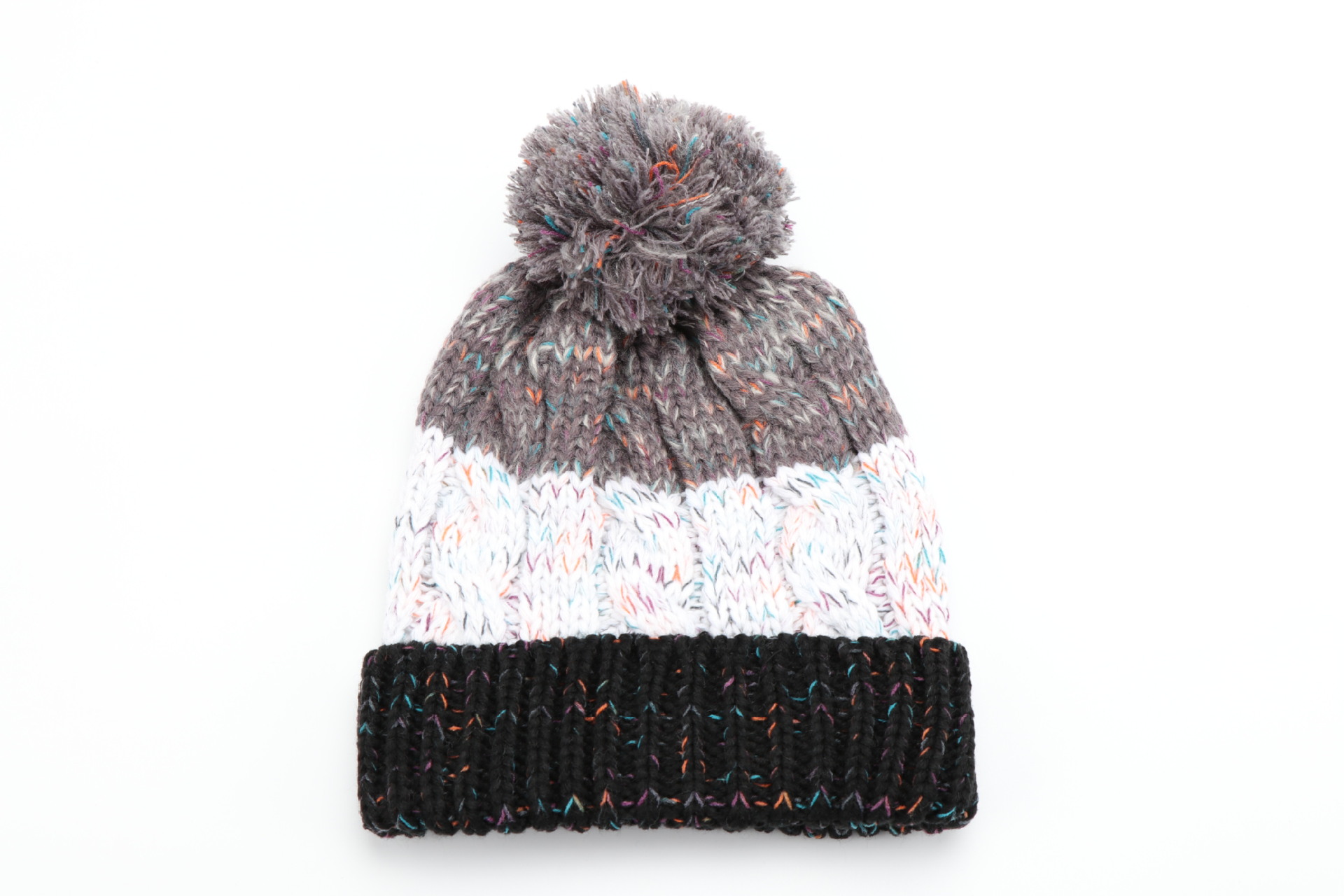
Selecting the right supplier for custom knitted hat production is a critical decision that directly impacts product quality, brand reputation, and business success. Whether you're launching a new clothing line, creating promotional merchandise, or developing seasonal accessories, understanding the key factors that distinguish exceptional knitted hat suppliers from mediocre ones can make the difference between thriving and struggling in today's competitive market. The choice of supplier affects everything from material quality and manufacturing precision to delivery timelines and cost efficiency, making it essential to evaluate potential partners thoroughly before committing to any long-term business relationship.
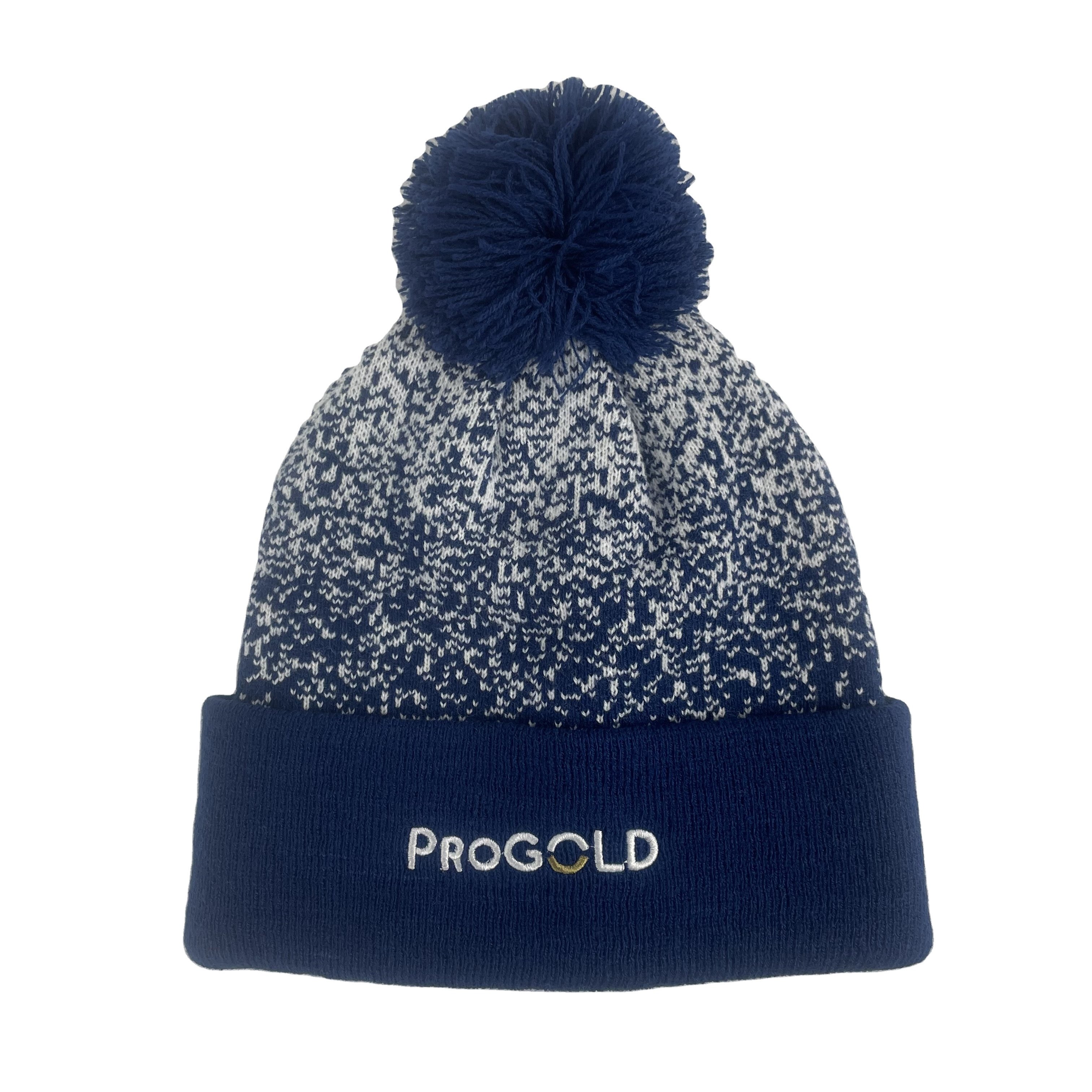
Manufacturing Capabilities and Technical Expertise
Production Equipment and Technology
Modern knitted hat production requires sophisticated machinery and advanced manufacturing techniques to achieve consistent quality and efficient output. Leading suppliers invest in state-of-the-art knitting machines capable of producing various knitted hat styles, from simple beanies to complex patterns with multiple colors and textures. The type of equipment used directly influences the quality of the finished knitted hat, affecting factors such as stitch consistency, fabric tension, and overall durability. Suppliers with computerized knitting machines can achieve precise pattern replication and maintain strict quality standards across large production runs.
The technical capabilities of a supplier extend beyond basic knitting equipment to include finishing processes such as linking, washing, and pressing. Advanced suppliers utilize automated linking machines that create seamless connections between knitted hat panels, resulting in superior comfort and appearance. Modern washing and finishing equipment ensures proper shrinkage control and color fastness, preventing quality issues that could damage your brand reputation. When evaluating potential suppliers, request detailed information about their manufacturing equipment, production capacity, and quality control systems to ensure they can meet your specific knitted hat requirements.
Design and Pattern Development
The ability to translate creative concepts into manufacturable knitted hat designs separates exceptional suppliers from basic manufacturers. Experienced suppliers employ skilled pattern developers who understand the technical constraints and possibilities of knitted hat construction. They can advise on design modifications that improve manufacturability without compromising aesthetic appeal, helping you create products that are both visually striking and commercially viable. This expertise becomes particularly valuable when developing complex patterns, incorporating multiple colors, or integrating special features such as reflective elements or moisture-wicking properties.
Prototyping capabilities represent another crucial aspect of design development services. Quality suppliers provide comprehensive sampling services, creating physical prototypes that allow you to evaluate fit, appearance, and functionality before committing to full production. The prototyping process should include multiple iterations, enabling refinements based on your feedback and market testing results. Suppliers who invest in advanced design software and maintain extensive yarn libraries can offer valuable insights into material selection and design optimization, ultimately contributing to the success of your knitted hat products.
Material Quality and Sourcing Standards
Yarn Selection and Certification
The foundation of any high-quality knitted hat lies in the selection of appropriate yarns and materials. Professional suppliers maintain relationships with certified yarn manufacturers and can provide detailed specifications about fiber content, yarn construction, and performance characteristics. Natural fibers such as merino wool offer excellent insulation and moisture management properties, making them ideal for premium knitted hat applications. Synthetic fibers like acrylic provide durability and easy care, while blended materials combine the benefits of multiple fiber types to achieve specific performance goals.
Certification standards play a crucial role in ensuring material quality and ethical sourcing practices. Reputable suppliers can provide certifications such as OEKO-TEX Standard 100, which guarantees that textiles are free from harmful substances, or Global Recycled Standard (GRS) certification for recycled materials. These certifications not only ensure product safety and quality but also support sustainability initiatives that increasingly matter to consumers. When selecting a knitted hat supplier, verify their ability to provide certified materials and trace the origins of their raw materials throughout the supply chain.
Color Consistency and Fastness
Color accuracy and consistency across production batches represent critical quality factors that directly impact customer satisfaction and brand perception. Experienced suppliers utilize advanced color matching systems and maintain strict dye lot controls to ensure consistent coloration across all knitted hat products. They should provide color matching services using internationally recognized color systems such as Pantone, enabling precise color communication and reproduction. The importance of color consistency becomes particularly apparent in retail environments where slight variations between products can create negative customer experiences.
Colorfastness testing ensures that knitted hat colors remain stable throughout the product lifecycle, maintaining their appearance despite exposure to washing, sunlight, and normal wear conditions. Quality suppliers conduct comprehensive colorfastness testing according to international standards, providing test reports that document color stability under various conditions. This testing includes wash fastness, light fastness, and crocking resistance, ensuring that your knitted hat products maintain their appearance and quality throughout their intended lifespan. Suppliers who invest in proper dyeing equipment and quality control systems can deliver consistent, durable coloration that supports your brand reputation.
Production Capacity and Flexibility
Minimum Order Quantities and Scalability
Understanding a supplier's minimum order quantities (MOQ) and production flexibility is essential for aligning manufacturing capabilities with your business needs. Many knitted hat suppliers require substantial minimum orders to achieve production efficiency, which can create challenges for small businesses or those testing new market segments. Progressive suppliers recognize the importance of supporting clients at various business stages and offer reasonable MOQs that enable market entry without excessive inventory investment. The ability to scale production volumes up or down based on demand fluctuations provides valuable flexibility in dynamic markets.
Production scalability encompasses both volume flexibility and the ability to handle diverse product mixes within single orders. Suppliers with advanced planning systems can efficiently manage complex orders that include multiple knitted hat styles, colors, and sizes without compromising delivery schedules or quality standards. This capability becomes particularly valuable for businesses that require seasonal production adjustments or need to respond quickly to market opportunities. Evaluate potential suppliers' track record of handling similar production volumes and their ability to accommodate your projected growth plans.
Lead Times and Delivery Reliability
Consistent delivery performance directly impacts inventory management, customer satisfaction, and overall business operations. Reliable suppliers provide accurate lead time estimates and maintain excellent on-time delivery records, enabling effective production planning and inventory control. The complexity of knitted hat production, including design development, sampling, material sourcing, and manufacturing processes, requires careful scheduling and coordination. Suppliers with robust production planning systems can provide realistic timelines and proactively communicate any potential delays or schedule changes.
Geographic location and logistics capabilities significantly influence delivery reliability and shipping costs. Suppliers located in established manufacturing regions often benefit from efficient transportation networks and shipping infrastructure, potentially reducing transit times and costs. However, proximity to your target markets should be balanced against other factors such as production costs, quality standards, and technical capabilities. When evaluating delivery performance, request references from existing clients and review historical delivery data to assess consistency and reliability under various conditions.
Quality Control and Testing Procedures
In-Process Quality Monitoring
Comprehensive quality control systems ensure that every knitted hat meets specified standards throughout the production process. Leading suppliers implement multi-stage inspection procedures that monitor quality from raw material receipt through final packaging. In-process monitoring includes yarn inspection, knitting quality checks, and dimensional verification at various production stages. This systematic approach enables early detection and correction of quality issues, preventing defective products from reaching completion and reducing waste.
Modern quality control systems utilize statistical process control methods and digital documentation to track quality metrics and identify trends that could indicate potential problems. Suppliers should maintain detailed quality records that demonstrate consistent performance and provide traceability for individual production batches. The implementation of quality management systems such as ISO 9001 indicates a supplier's commitment to systematic quality improvement and customer satisfaction. When selecting a knitted hat supplier, request detailed information about their quality control procedures and ask to review quality documentation from recent production runs.
Final Inspection and Testing Standards
Final inspection procedures provide the last opportunity to ensure that completed knitted hat products meet all specifications before shipment. Comprehensive final inspection includes dimensional verification, appearance assessment, and functional testing of features such as stretch recovery and seam strength. Professional suppliers utilize standardized inspection criteria and trained quality personnel to ensure consistent evaluation standards. The inspection process should include random sampling procedures that provide statistical confidence in overall product quality while maintaining efficient production flow.
Testing standards for knitted hat products may include performance evaluations such as pilling resistance, abrasion resistance, and dimensional stability after washing. Suppliers should conduct testing according to relevant industry standards and provide test reports that document product performance characteristics. This testing becomes particularly important for knitted hat products intended for specific applications such as outdoor recreation or industrial use, where performance requirements extend beyond basic appearance and comfort. Establish clear quality standards and testing requirements with your chosen supplier to ensure alignment between expectations and delivered products.
Communication and Customer Service Excellence
Technical Support and Problem Resolution
Effective communication and technical support capabilities distinguish professional suppliers from basic manufacturers who focus solely on production. Quality suppliers assign dedicated account managers who understand your business needs and can provide expert guidance on product development, material selection, and manufacturing optimization. Technical support should be readily accessible throughout the entire project lifecycle, from initial design consultation through production completion and potential issue resolution. This ongoing support relationship enables collaborative problem-solving and continuous improvement opportunities.
Problem resolution capabilities become particularly important when addressing quality issues, delivery delays, or specification changes. Professional suppliers maintain clear escalation procedures and empower their customer service teams to make decisions that resolve issues quickly and effectively. They should provide regular production updates and proactively communicate any potential challenges that could affect project timelines or outcomes. The ability to handle unexpected situations with flexibility and professionalism often determines the long-term success of supplier relationships in the competitive knitted hat market.
Language and Cultural Considerations
Clear communication is essential for successful knitted hat development and production, particularly when working with international suppliers. Language barriers can lead to misunderstandings about specifications, quality requirements, or delivery expectations, potentially resulting in costly mistakes or delays. Suppliers who invest in multilingual customer service capabilities and cultural training for their teams can provide more effective communication and better understand international market requirements. This investment in communication infrastructure demonstrates a supplier's commitment to serving global clients effectively.
Cultural understanding extends beyond language to include business practices, quality expectations, and relationship-building approaches that vary across different markets. Suppliers experienced in international trade understand the importance of clear documentation, prompt responses, and professional presentation in building trust with overseas clients. They should be familiar with relevant international standards and regulations that affect knitted hat imports and exports, helping ensure smooth customs clearance and regulatory compliance. Evaluate potential suppliers' experience with international clients and their ability to adapt to your specific communication preferences and business practices.
Cost Structure and Value Proposition
Transparent Pricing Models
Understanding the complete cost structure for knitted hat production enables accurate budgeting and profitability analysis. Professional suppliers provide detailed pricing breakdowns that clearly identify costs for materials, manufacturing, tooling, sampling, and any additional services. Transparent pricing prevents unexpected charges and enables informed decision-making about design modifications or order quantities that could affect overall costs. The pricing structure should account for various factors such as complexity level, order volume, delivery requirements, and any special testing or certification needs.
Value-based pricing considers the total value delivered rather than focusing solely on unit costs. Suppliers who offer comprehensive services including design support, quality assurance, logistics coordination, and technical expertise may command higher unit prices while delivering superior overall value. The key is to evaluate the total cost of ownership, including potential costs associated with quality problems, delivery delays, or inadequate support services. When comparing suppliers, develop a comprehensive cost analysis that considers all relevant factors rather than making decisions based purely on the lowest quoted price for knitted hat production.
Payment Terms and Financial Stability
Flexible payment terms and financial stability provide important risk management benefits for businesses investing in custom knitted hat production. Established suppliers typically offer reasonable payment terms that align with industry standards while protecting their own financial interests. Payment terms should balance cash flow considerations with risk management, potentially including milestone payments tied to production progress or delivery completion. Understanding a supplier's financial stability helps assess their ability to maintain operations and honor commitments throughout extended production cycles.
Financial verification may include reviewing credit references, examining facility investments, or assessing market reputation within the knitted hat manufacturing industry. Suppliers with strong financial foundations can invest in equipment upgrades, maintain adequate inventory levels, and provide consistent service quality even during challenging economic periods. They are also more likely to honor warranty commitments and provide ongoing support after delivery completion. While financial due diligence requires additional effort, it provides valuable protection against supplier-related disruptions that could affect your knitted hat production schedule or quality standards.
FAQ
What minimum order quantity should I expect for custom knitted hat production?
Minimum order quantities for custom knitted hat production typically range from 100 to 500 pieces per style and color combination, depending on the supplier's production setup and target market. Smaller suppliers or those specializing in custom work may offer lower minimums, while large-scale manufacturers often require higher quantities to achieve production efficiency. The complexity of your design, number of colors, and special features can also influence minimum order requirements. Many suppliers offer graduated pricing structures where unit costs decrease significantly at higher volume levels, making it important to understand the pricing breaks when planning your initial orders.
How long does the typical knitted hat production cycle take from design to delivery?
The complete production cycle for custom knitted hat orders typically requires 4-8 weeks, including design development, sampling, production, and shipping time. Simple designs with standard materials may be completed more quickly, while complex patterns or special materials can extend the timeline. The sampling phase alone often requires 1-2 weeks, followed by any necessary revisions. Actual production time depends on order quantity, factory capacity, and seasonal demand patterns. International shipping can add additional time, particularly during peak seasons when shipping capacity is constrained. Planning ahead and maintaining clear communication with your supplier helps ensure realistic timeline expectations.
What certifications should I look for when selecting a knitted hat supplier?
Key certifications for knitted hat suppliers include ISO 9001 for quality management systems, OEKO-TEX Standard 100 for textile safety, and BSCI or WRAP for social compliance and ethical manufacturing practices. Environmental certifications such as Global Recycled Standard (GRS) or GOTS (Global Organic Textile Standard) demonstrate commitment to sustainable manufacturing practices. Product-specific certifications may be required for certain markets or applications, such as CPSIA compliance for children's products in the United States. Verify that certifications are current and request copies of certificates to ensure authenticity. These certifications indicate a supplier's commitment to quality, safety, and responsible manufacturing practices.
How can I ensure consistent quality across multiple production batches?
Consistent quality across multiple knitted hat production batches requires establishing detailed specifications, implementing approved sample procedures, and maintaining regular quality audits. Work with your supplier to create comprehensive specifications that include measurements, color standards, material requirements, and acceptable quality levels. Maintain approved samples that serve as quality references for future production runs. Regular quality audits and batch inspections help identify potential issues before they become widespread problems. Establish clear communication protocols for addressing quality concerns and implement corrective action procedures when problems are identified. Building a collaborative relationship with your supplier promotes shared commitment to maintaining consistent quality standards over time.
Table of Contents
- Manufacturing Capabilities and Technical Expertise
- Material Quality and Sourcing Standards
- Production Capacity and Flexibility
- Quality Control and Testing Procedures
- Communication and Customer Service Excellence
- Cost Structure and Value Proposition
-
FAQ
- What minimum order quantity should I expect for custom knitted hat production?
- How long does the typical knitted hat production cycle take from design to delivery?
- What certifications should I look for when selecting a knitted hat supplier?
- How can I ensure consistent quality across multiple production batches?