 EN

Proper maintenance of your headwear is essential for preserving its appearance, shape, and structural integrity over time. Whether you own vintage baseball caps, formal dress hats, or casual beanies, understanding the correct methods for cleaning and storing headwear will significantly extend its lifespan and keep it looking fresh. Many people underestimate the importance of headwear care, treating their hats casually without considering how simple maintenance routines can prevent permanent damage, fading, and deterioration. This comprehensive guide will walk you through proven techniques for cleaning various types of headwear and establishing effective storage systems that protect your collection from dust, moisture, and deformation.
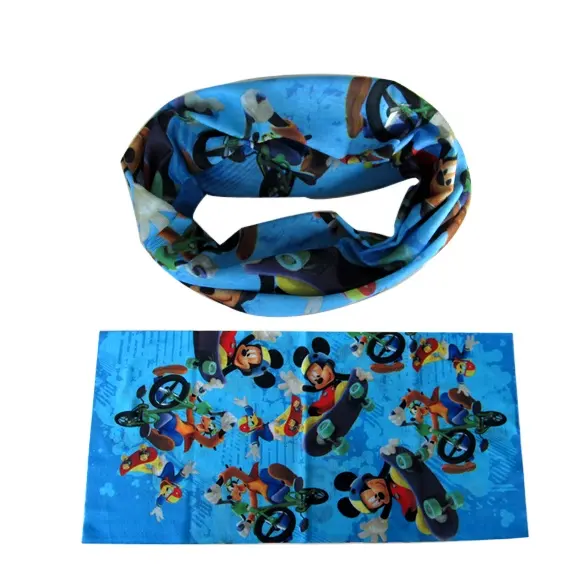
Your investment in quality headwear deserves the same attention you give to other wardrobe essentials. When you learn how to properly care for headwear, you gain confidence in handling different materials and constructions without worrying about shrinkage, color bleeding, or loss of shape. The following sections cover specific cleaning methods, drying techniques, and storage strategies tailored to different headwear types, ensuring that your hats remain in excellent condition regardless of how frequently you wear them.
Cleaning Different Types of Headwear
Preparation and Initial Assessment
Before you begin any cleaning process, carefully examine your headwear to identify the material composition and any special embellishments. Cotton headwear typically tolerates more aggressive cleaning than delicate silk or wool varieties. Check for care labels attached to the inner band of your headwear, as manufacturers often provide specific instructions that should guide your cleaning approach. Remove any loose debris by gently brushing the exterior surface with a soft-bristled brush, paying particular attention to the brim and crown areas where dust accumulates.
Hand Washing Your Headwear
Hand washing remains the safest and most effective method for cleaning most types of headwear. Fill a basin with lukewarm water and add a mild detergent specifically formulated for delicate fabrics, then submerge your headwear and gently agitate for two to three minutes. For stubborn stains on your headwear, create a paste using baking soda and water, apply it directly to the affected area, and let it sit for fifteen minutes before rinsing thoroughly. Always use cool water when rinsing your headwear to prevent heat from setting stains or causing color fading. Pat your clean headwear gently with a white towel to remove excess moisture, being careful never to wring or twist the material.
Drying and Shaping Your Headwear
Air Drying Techniques
Air drying is the preferred method for preserving the integrity of your headwear after washing. Place your damp headwear on a clean, dry towel laid flat on a well-ventilated surface away from direct sunlight, which can bleach and fade colors over time. For structured headwear like baseball caps, place a rolled towel inside the crown to help maintain its original shape during the drying process. Avoid using radiators, hair dryers, or other heat sources to speed up drying, as excessive heat can damage synthetic materials and cause permanent shrinkage to natural fibers in your headwear. Your headwear will typically dry within six to twelve hours depending on humidity levels and fabric thickness.
Reshaping and Finishing
Once your headwear has completely dried, you may need to gently reshape it to restore its original contours. If your headwear has lost its brim curve, carefully steam the brim with a kettle at a distance and gradually reshape it by hand while the fabric is still warm. For knit headwear like beanies or winter caps, lay them flat and gently stretch them back to their original dimensions while still slightly damp, then allow them to dry completely in that shape. Always handle your headwear with care during this reshaping process to avoid accidentally creating new creases or deforming structural elements.
Storing Your Headwear Properly
Choosing Appropriate Storage Spaces
Selecting the right location for storing your headwear is crucial for maintaining its condition between uses. Store your headwear in a cool, dry place away from direct sunlight, moisture, and extreme temperature fluctuations that can cause material degradation. Avoid basements or attics where humidity levels may fluctuate dramatically, as moisture promotes mold growth and mildew on your headwear. Closets with proper ventilation and climate control offer ideal environments for long-term headwear storage. Keep your headwear away from direct heat sources like radiators and air conditioning vents, which can weaken fibers and cause discoloration over time.
Storage Methods and Organization
Use hat racks, hat boxes, or dedicated shelving units to store your headwear collection, ensuring each piece maintains its shape and remains easily accessible. For delicate or rarely worn headwear, wrap each piece individually in acid-free tissue paper before placing it in storage boxes, which provides protection from dust and prevents color transfer between pieces. Never stack heavy headwear on top of lighter, more delicate pieces, as this pressure can cause permanent deformation and creasing. Consider using hat hangers or hat stands inside closets to display and store frequently worn headwear while keeping it off shelves where it might get crushed. Cedar blocks or lavender sachets placed near your stored headwear naturally repel moths and insects without exposing your collection to harsh chemical treatments.
FAQ
Can I machine wash my headwear safely?
Machine washing is generally not recommended for most types of headwear, as the agitation and spinning can damage delicate fabrics, cause shrinkage, and distort the shape of structured headwear. Hand washing provides much better control and preserves the integrity of the material and any embroidery or embellishments on your headwear. If the care label on your headwear specifically permits machine washing, use a mesh laundry bag on the gentle cycle with cold water and mild detergent.
How often should I clean my headwear?
The frequency of cleaning depends on how often you wear your headwear and the environmental conditions it encounters. Headwear worn daily in dusty environments may require monthly cleaning, while occasional-wear pieces need cleaning only once or twice per year. Always clean your headwear immediately if it gets visibly soiled or stained to prevent the stain from setting permanently into the fabric.
What should I do if my headwear has mold or mildew?
If your stored headwear develops mold or mildew, first brush away loose spores outdoors to prevent spreading. Mix equal parts white vinegar and water, apply it to affected areas of your headwear with a soft cloth, and allow it to air dry in sunlight, which naturally kills mold spores. For severe cases, soak your headwear in this vinegar solution for several hours before rinsing thoroughly and air drying completely.